

Furnace Tune-Up in Annapolis, MD
Annapolis furnace tune-ups by Tario HVAC provide safety, efficiency, and reliability by cleaning, testing, and adjusting components, mitigating salt air and humidity effects on aging systems. This service covers inspection, burner cleaning, thermostat calibration, safety control checks, and combustion analysis, with a thorough blower and duct inspection. Our technicians follow a standard diagnostic flow, estimate duration around 60 minutes for most homes, and outline post-service findings, recommended repairs, and future maintenance. Expect clear documentation, practical tips, and guidance to extend your furnace's life through the heating season.
-min.webp)
Furnace Tune-Up in Annapolis, MD
A yearly furnace tune-up in Annapolis, MD keeps your heating system safe, efficient, and dependable through the colder months. Coastal humidity, salt air, and older historic home construction in Annapolis create conditions that can accelerate corrosion, reduce airflow, and expose furnaces to extra strain. A professional tune-up addresses those risks by cleaning, testing, and adjusting the components that determine performance and safety. This page explains what a tune-up covers, how long it takes, common local issues, and clear before-and-after checklists so you know exactly what to expect.
Why a Furnace Tune-Up Matters in Annapolis
- Improved efficiency: A clean, well-adjusted furnace burns fuel more completely, lowering energy use during the October–April heating season common in Maryland.
- Better reliability: Annual service catches worn parts and small problems before they turn into breakdowns on cold mornings.
- Safety: Technicians test safety controls and carbon monoxide levels to reduce the risk of dangerous failures.
- Longer equipment life: Routine maintenance reduces wear and tear, extending the useful life of your furnace.
- Local factors: Salt-laden air near Chesapeake Bay increases corrosion risk on exterior flues and vents; humid summers can allow moisture buildup in ductwork that affects indoor air quality and airflow.
Common furnace tune-up issues in Annapolis, MD
- Dirty burners and clogged filters reducing heat output
- Corroded vents, flue pipes, or exterior components due to salt exposure
- Inaccurate thermostats or poor thermostat placement causing short cycling
- Weak airflow from dirty blowers, filters, or leaky ducts in older homes
- Failing safety controls, flame sensors, or ignition components
- Carbon monoxide or combustion inefficiency from improper fuel/air mixture
What a professional tune-up includes
A comprehensive furnace tune-up is a methodical inspection, cleaning, and testing process. Key tasks typically include:
- Visual inspection of the furnace cabinet, venting, and flue for corrosion or damage
- Cleaning burners, removing soot and debris that impede combustion
- Checking and calibrating the thermostat and control settings
- Testing safety controls: limit switches, high-temperature cutoffs, and flame sensors
- Adjusting the fuel/air mixture to achieve proper combustion efficiency
- Combustion analysis where applicable: measuring carbon monoxide and combustion gases
- Inspecting and cleaning the blower assembly, motor, and belts; lubricating moving parts
- Verifying airflow and checking duct connections and returns for leaks or blockages
- Replacing or advising on filters and recording filter size/type for future replacement
- Confirming proper ignition and cycling during multiple start/stop sequences
Diagnostic steps technicians take
Technicians follow a standard diagnostic flow so nothing is missed:
- Safety and visual check: look for rust, water, or animal nesting, and ensure ventilation is clear.
- Electrical and ignition tests: measure voltages, inspect wiring connections, and test ignition or pilot systems.
- Combustion and vent testing: measure flue temperature, draft, and combustion gases if equipped.
- Airflow verification: measure static pressure or use experience-based checks to ensure proper blower function.
- System performance verification: run the furnace through several cycles to confirm steady operation and proper thermostat interaction.
Expected duration
A typical furnace tune-up takes about 60 minutes for most residential systems. Systems in older Annapolis homes, units with heavy corrosion, or furnaces that require additional testing or minor repairs may take 90 minutes or longer. If the technician finds worn parts that must be replaced for safe operation, additional time will be required.
What customers should do before the appointment
- Clear the area around the furnace (at least 2–3 feet) so the technician can access panels and vents easily.
- Ensure the thermostat is set to heat so the system can be tested during the visit.
- Note any recent issues: unusual noises, uneven heating, frequent cycling, odors, or past carbon monoxide alarms.
- If you have pets, secure them away from the work area for safety and convenience.
- Have filter information available (size and last replacement date) if you know it.
What customers should expect after the tune-up
- A summary of work performed and any safety tests or combustion readings taken.
- Notification of any immediate repair needs or recommendations for future attention, with clear explanations of why they matter.
- Confirmation that filters were checked and whether replacement is recommended now or at the next interval.
- Advice on seasonal timing for the next tune-up—typically once per year, ideally in early fall before peak heating demand.
- Documentation of service date and any parts replaced, which can support warranty requirements and future maintenance planning.
Seasonal timing and recommendations
- Best timing: early fall (September–October) before the first sustained cold spell. This timing ensures the system is ready and reduces the risk of service delays during the first cold snap.
- If you live in an older Annapolis home or on the waterfront where salt exposure is higher, consider adding a mid-season visual check to catch accelerated corrosion or vent issues.
- Regular interval: annual tune-ups are standard. If your furnace is over 15 years old or you’ve experienced recurring issues, consider semi-annual checks.
Practical tips to extend furnace life and efficiency
- Replace disposable filters regularly—monthly for high-efficiency homes or homes with pets; at least every 3 months otherwise.
- Keep vents and returns unobstructed by furniture or drapes to maintain airflow and reduce strain on the blower.
- Insulate and seal accessible duct connections in basements and crawl spaces to prevent heat loss and moisture issues.
- For homes near the water, inspect exterior vent terminations annually for corrosion or blockages caused by salt buildup or bird nesting.
A professional furnace tune-up in Annapolis, MD protects your comfort, safety, and energy budget by addressing local environmental factors and mechanical wear. Knowing what to expect before, during, and after the visit helps ensure the service is efficient and your system performs reliably through the heating season.

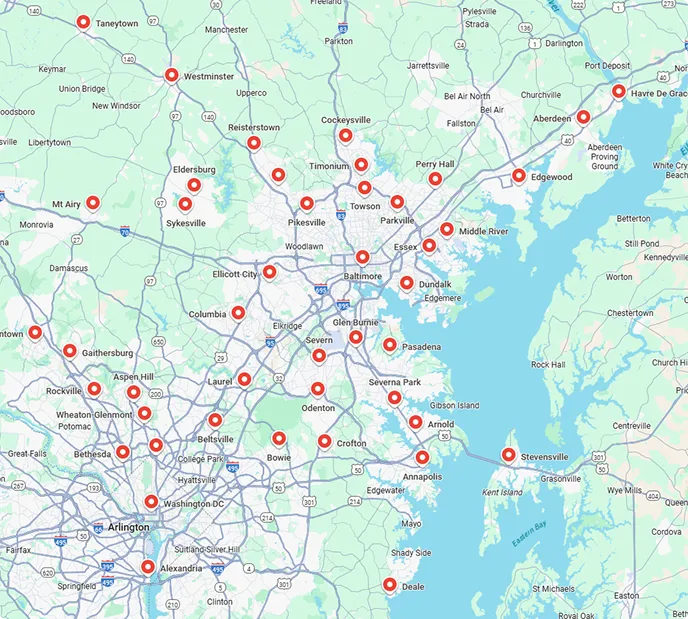
Service areas