

Furnace Repair in Annapolis, MD
At Tario HVAC, we approach furnace repair in Annapolis, MD comprehensively, explaining when to seek professional help, how various symptoms guide our diagnostics, and what you can expect throughout the repair process. Our services cover common signs, essential safety checks, thorough testing, and evaluating the role of your ductwork and venting, offering both emergency and scheduled service options. We also outline typical parts we replace, estimated timelines, and cost factors, alongside discussing warranties, preventive maintenance, and providing clear guidance on when replacement might be more economical than ongoing repairs in coastal Maryland conditions.
Furnace Repair in Annapolis, MD
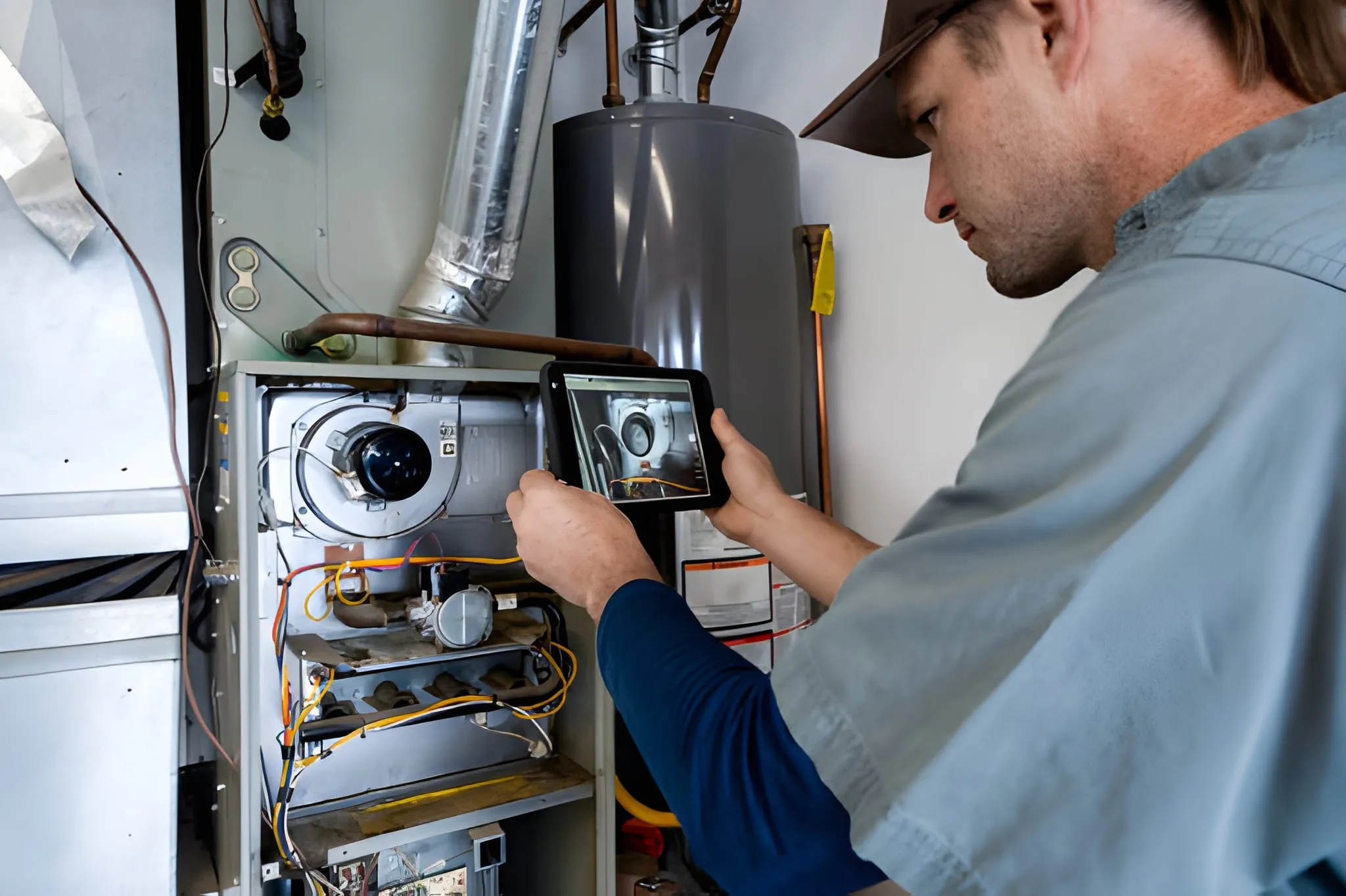
A reliable furnace is essential for comfort and safety in Annapolis homes, especially during cold snaps and coastal winters. Professional furnace repair in Annapolis, MD focuses on restoring safe operation, improving efficiency, and preventing repeat failures. Whether you live in a historic cottage near the City Dock or a newer subdivision inland, knowing the symptoms, diagnostics, repair process, and when replacement is the smarter choice helps you make informed decisions at the critical moment.
Why timely furnace repair matters in Annapolis
Annapolis experiences humid summers and chilly winters with occasional Nor’easters and wind-driven cold. Coastal humidity and salty air can accelerate corrosion on outdoor components and flue systems, while older homes often have aging ductwork and combustion equipment. Prompt repair reduces health and safety risks, prevents frozen pipes and property damage during severe cold, and restores system efficiency — which matters for energy bills in Maryland’s mixed climate.
Common furnace symptoms and what they indicate
Watch for these frequent signs that a furnace needs professional attention. Each problem has distinct causes and repair paths:
- No heat or intermittent heat — Could be a failed thermostat, ignition problem, blown limit switch, or control board issue.
- Frequent short cycling (on/off repeatedly) — Often caused by improper airflow, dirty filters, blocked vents, or a failing pressure switch.
- Unusual noises (banging, squealing, rattling) — Loose panels, failing bearings in the blower motor, or delayed ignition can produce these sounds.
- Yellow or sooty flame, strong odors — Indicators of incomplete combustion; this requires immediate inspection for carbon monoxide risk and venting problems.
- High energy use with reduced warmth — Suggests decreased efficiency from clogged burners, dirty heat exchangers, or duct losses.
- System won’t ignite but blower runs — Typical of ignition/control malfunctions, flame sensor issues, or gas supply interruptions.
- Visible rust or corrosion on external components — Salt air and coastal moisture in Annapolis can speed corrosion on flue collars, burners, and outdoor vent piping.
Diagnostic and troubleshooting process
A professional diagnostic follows a structured approach to identify root causes and create reliable repairs:
- Initial symptom interview and site walk-through to understand operating history and visual cues.
- Safety checks including gas valve and line inspection, carbon monoxide testing, and electrical safety verification.
- Electrical and control diagnosis using multimeters to test transformers, relays, and the control board.
- Ignition and combustion testing to verify pilot or electronic ignition performance and observe flame characteristics.
- Airflow and duct inspection to check filters, blower wheel condition, return vents, and duct leakage or obstructions.
- Combustion and venting assessment to inspect flue integrity, draft, and potential corrosion from salt-laden air.
- Detailed report and prioritized recommendations explaining necessary repairs, safety items, and longer-term upgrades.
Emergency versus scheduled repair
Understand the difference so you can set proper expectations during a failure:
- Emergency furnace repair in Annapolis: Situations that create immediate safety or comfort threats — complete loss of heat during sub-freezing conditions, suspected carbon monoxide, gas smell, or a system presenting fire or electrical hazards. Emergency work focuses on stabilizing the system and mitigating danger before completing permanent repairs.
- Scheduled repair or diagnostic visit: Non-life-threatening issues like intermittent cycling, gradual loss of efficiency, strange noises, or routine safety concerns. These allow for a planned diagnostic, part ordering if needed, and more thorough remediation.
Typical parts replaced during repair
Common components that fail or wear out and are frequently serviced in Annapolis systems include:
- Ignition assemblies and flame sensors
- Thermostats and control boards
- Blower motors, belts, and bearings
- Gas valves and pressure switches
- Heat exchangers (repair or replacement when cracked)
- Condensate traps and drains (for high-efficiency furnaces)
- Inducer motors and draft components
- Limit switches and pressure switches
Salt air exposure in coastal neighborhoods can increase the replacement frequency of metal components and venting accessories.
Estimated repair timelines and cost factors
Most diagnostics are completed during a single visit. Typical timelines are:
- Minor repairs and parts swaps (filters, sensors, thermostat, ignition leads): often completed same day.
- Moderate repairs (blowers, control boards, gas valve replacement): may require part ordering and 1 to 2 days to complete.
- Major repairs (heat exchanger replacement, extensive venting work): can take several days depending on part availability and permitting.
Cost is influenced by age and model of the furnace, part availability, extent of corrosion or venting work required, and whether emergency service outside normal hours is necessary. A transparent repair quote should list parts, labor, safety tests, and any recommended follow-up.
Safety and compliance checks
Furnace repairs in Annapolis include essential safety and code compliance verifications:
- Carbon monoxide and combustion gas testing post-repair.
- Proper venting, draft, and flue termination checks mindful of coastal exposure and local setback requirements.
- Gas leak testing and regulator inspection.
- Electrical wiring and grounding inspections.
- Documentation of performed work and recommendations aligned with local building codes and appliance manufacturer guidelines.
These checks protect occupants and ensure the system meets insurance and safety expectations.
Warranty and service guarantees
Professional services typically provide clear warranty terms on replaced parts and workmanship. Reliable repair providers will:
- Offer parts warranties consistent with manufacturer terms.
- Provide a workmanship guarantee covering installation or repair procedures for a stated period.
- Document all repairs and safety tests so warranty conditions are preserved.
Review warranty conditions for transferable coverage and any required maintenance schedule to keep guarantees valid.
When replacement may be the better option
Repair is not always the most economical or safe choice. Consider replacement when:
- The furnace is older than 15 to 20 years and experiencing repeated failures.
- Heat exchanger damage or corrosion compromises safety or cannot be reliably repaired.
- Frequent repairs over a short period suggest imminent additional failures.
- The system’s efficiency is materially lower than current models and replacement yields significant long-term energy savings.
- Compatibility issues prevent installing modern safety or efficiency upgrades.
A qualified technician will compare the long-term costs and risks of ongoing repairs versus replacement, considering Annapolis-specific factors like coastal corrosion and local fuel costs.
Preventive maintenance
Regular maintenance extends life and reduces emergency repairs. Recommended practices for Annapolis homes include seasonal tune-ups before winter, filter changes, duct inspections for leaks and mold in humid conditions, and periodic combustion testing. Staying proactive addresses coastal corrosion early and keeps your heating system safe and reliable when you need it most.

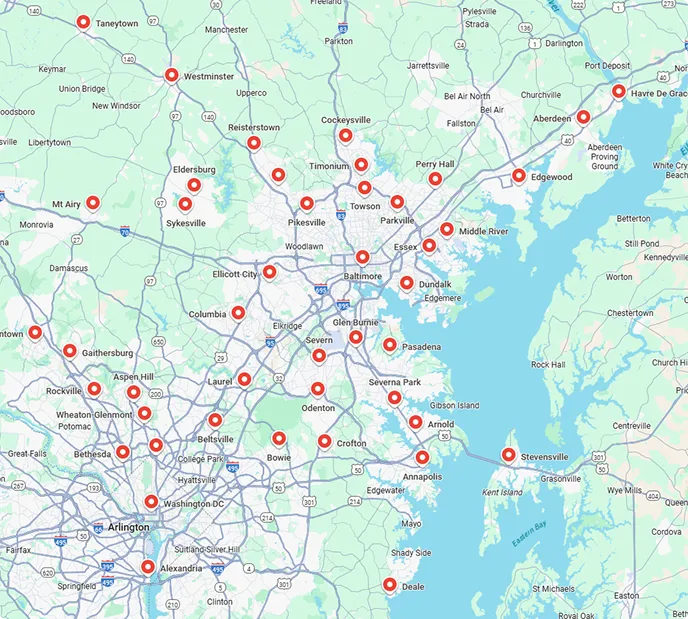
Service areas