

Furnace Installation in Annapolis, MD
When it comes to furnace installation in Annapolis, MD, Tario HVAC provides homeowners with a complete process, from site assessment and sizing to venting, safety inspections, and start-up. We'll outline triggers for replacement, fuel and efficiency considerations, and coastal-condition adaptations to resist corrosion while maximizing comfort and energy savings. Our process covers a step-by-step installation sequence, coding compliance, and post-installation homeowner orientation. By detailing venting, ductwork, and performance testing, we emphasize professional, code-compliant work that delivers reliable comfort and long-term peace of mind.
-min.webp)
Furnace Installation in Annapolis, MD
Replacing or installing a new furnace is one of the most important home investments you can make for comfort, safety, and long-term energy savings. Furnace Installation in Annapolis, MD covers everything Annapolis homeowners need to know: a thorough site assessment, accurate system sizing, selecting the right fuel and efficiency rating for coastal conditions, a step-by-step installation process, venting and ductwork considerations, safety inspections and local code compliance, commissioning tests, and a homeowner orientation on operation and maintenance.
Why timely furnace replacement matters in Annapolis
Annapolis sits on the Chesapeake Bay and experiences humid summers and cool, damp winters. Salt air and higher humidity can accelerate corrosion on outdoor vents and metal components, and many local homes are older with aging heating systems and ductwork. A correctly installed, properly sized furnace improves comfort across uneven older home layouts, reduces the risk of carbon monoxide and gas leaks, and saves energy compared with a worn-out unit. Recognizing common furnace problems early prevents costly emergency repairs and ensures safe heating during cold snaps.
Common furnace installation triggers and issues in Annapolis homes
- Repeated repairs on an old furnace or a unit older than 15 years
- Rising energy bills despite regular use
- Uneven heating, cold rooms, or short cycling
- Rust, corrosion, or visible cracks on the heat exchanger (especially in coastal homes)
- Inadequate combustion air, poor venting, or outdated vent materials
- Incompatible or undersized ductwork common in historic Annapolis houses
Understanding these issues helps you choose the right replacement strategy instead of simply swapping like-for-like.
Site assessment and accurate system sizing
Proper furnace installation starts with a detailed site assessment and a heat load calculation. A qualified installer performs a Manual J heat load calculation that accounts for:
- Home square footage, insulation levels, window types, and orientation
- Local climate factors in Annapolis, including humidity and marine influences
- Home occupancy patterns and comfort preferences
Sizing by accurate heat load prevents oversized units that short cycle and undersized units that run continuously. For homes with complex layouts or additions common in Annapolis neighborhoods, a room-by-room analysis is essential.
Choosing fuel type and efficiency rating
Fuel options commonly considered in Annapolis include natural gas, propane, oil, and electric options like heat pumps. Factors to weigh:
- Fuel availability and existing connections in your neighborhood
- Local fuel price trends and your home usage patterns
- Efficiency goals and long-term operating costs
Efficiency is measured by AFUE for furnaces. Modern high-efficiency condensing furnaces often exceed 90 percent AFUE and include phased or modulating burners and variable-speed blowers that improve comfort and reduce energy use. In coastal environments, choose equipment and venting materials rated for corrosion resistance and consider condensing vs non-condensing technology based on venting feasibility.
Step-by-step installation process
- Pre-install planning and permitting: confirm permits required by Annapolis or Anne Arundel County and verify local code obligations.
- Equipment delivery and site preparation: protect flooring and landscaping, remove the existing furnace per safety protocols.
- Rough-in and placement: level the new furnace, position with required clearances, and prepare for venting and combustion air.
- Gas, fuel, or electrical connections: secure proper gas line sizing and fittings or electrical supply per code.
- Duct connections and airflow balancing: seal, insulate, and connect ducts; make adjustments to ensure proper CFM and static pressure.
- Venting and condensate management: install corrosion-resistant vents, properly slope condensate drains for condensing units.
- Final safety checks and start-up: test safety controls, burners, and thermostats before commissioning.
Installations in older Annapolis homes may require customization such as flue upgrades, increased combustion air, or retrofitting ductwork.
Venting and ductwork considerations
Venting must match the furnace type. Key considerations:
- Direct venting vs. atmospheric venting depending on the chosen furnace
- Use of corrosion-resistant vent materials in coastal environments
- Proper clearance from windows, soffits, and neighboring properties required by local code
- For high-efficiency condensing furnaces, install durable condensate lines and trap arrangements to avoid freeze and backflow problems
Ductwork often needs inspection and repair during furnace replacement. Leaky or poorly insulated ducts reduce efficiency and lead to uneven heating. A duct evaluation may include sealing, insulating, or resizing to match the new system and improve airflow.
Safety inspections and code compliance
Safety is central to furnace installation. Inspections typically include:
- Gas pressure and leak testing
- Combustion analysis to verify proper burner operation and safe flue performance
- Heat exchanger inspection for integrity and corrosion
- Verification of adequate combustion air and vent termination placement per local codes
- Electrical safety checks and proper grounding
Installations must comply with Maryland building and gas codes and local Annapolis/Anne Arundel County permit requirements. Proper documentation and inspection sign-offs are part of a compliant installation.
Start-up, commissioning, and performance testing
Commissioning ensures the new system performs as designed. Tests and checks include:
- Start-up and run tests across multiple operating stages
- Thermostat calibration and control verification
- Airflow measurement and system balancing
- Combustion efficiency and CO readings to ensure safe operation
- Confirmation of sequencing for multi-stage or modulating systems
These steps optimize efficiency and longevity and provide a clear baseline for future maintenance.
Homeowner orientation and routine maintenance
A professional installation includes a homeowner orientation covering:
- How to use and program your thermostat effectively for comfort and savings
- Filter type and replacement intervals and how to access the filter area
- Signs of potential problems: unusual noises, odors, increased cycling, or visible leaks
- Basic maintenance tasks you can do and the benefits of an annual tune-up
Regular maintenance keeps efficiency high and helps identify issues early—especially important in Annapolis where humidity and salt air can affect components.
Benefits of a professional furnace installation
A correctly chosen and installed furnace delivers:
- Consistent, even comfort throughout your home
- Improved energy efficiency and predictable heating performance
- Enhanced safety and peace of mind with proper venting and combustion controls
- Reduced likelihood of emergency breakdowns and longer equipment life
Whether you live in a historic downtown Annapolis row house or a modern suburban home, careful planning, code-compliant installation, and an informed homeowner handoff ensure your new furnace meets your needs now and for years to come.

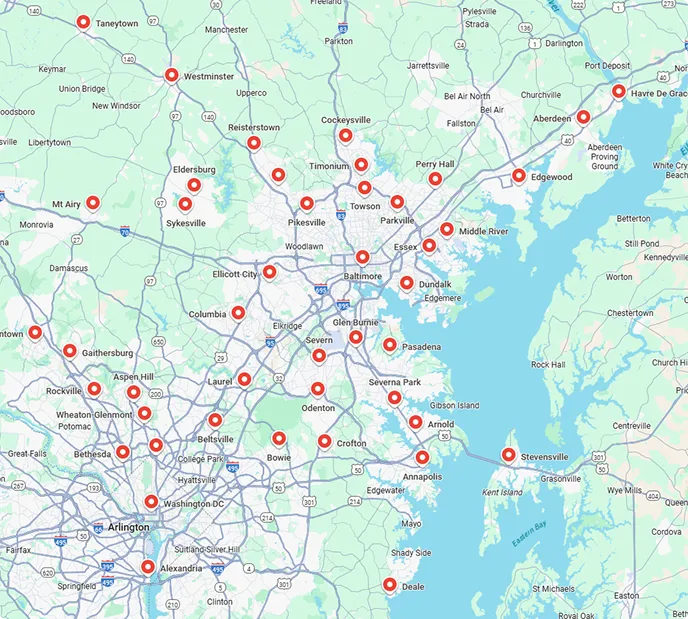
Service areas