

Furnace Service in Washington, DC
Your furnace is truly the backbone of winter comfort for homes throughout Washington, DC. Whether you live in a Capitol Hill rowhouse, a Petworth brick home, or a modern condo, timely furnace service from Tario HVAC keeps your heating efficient, safe, and reliably warm. We offer comprehensive furnace services in Washington, DC—including diagnostics, repairs, installations, preventative maintenance, emergency response, service plans, and warranty handling—and we'll make sure you know exactly what to expect when scheduling service with us.
.webp)
Furnace Service in Washington, DC
Your furnace is the backbone of winter comfort in Washington, DC homes. Whether you live in a Capitol Hill rowhouse, a Petworth brick home, or a modern condo, timely furnace service keeps heating efficient, safe, and reliable. This page explains comprehensive furnace services available in Washington, DC — diagnostics, repairs, installations, preventative maintenance, emergency response, service plans, warranty handling, and what to expect when scheduling service.
Why furnace service matters in Washington, DC
DC winters include cold snaps that place heavy demand on heating systems. Many local homes have older furnaces, complex venting in tight urban lots, or shared systems in multifamily buildings. These factors increase the chance of mechanical wear, venting issues, and efficiency losses. Regular professional furnace service reduces the risk of midwinter failures, improves indoor air quality, and helps systems run safely alongside city fuel codes and venting requirements.
Common furnace issues in Washington, DC
- No heat or intermittent heat - Often caused by thermostat problems, thermostat wiring, or ignition failures common in aging systems.
- Frequent short cycling - System turns on and off rapidly due to airflow restrictions, oversized cycling, or control faults.
- Unusual noises - Rattles, bangs, or squeals signal loose components, belt wear, or motor/inducer problems.
- Pilot or ignition failures in gas furnaces - Can result from dirty burners, faulty sensors, or gas supply interruptions.
- Reduced airflow and hot/cold spots - Clogged filters, duct leaks, or failing blowers are typical in older DC homes with complex duct runs.
- Carbon monoxide and safety concerns - Cracked heat exchangers or blocked flues require immediate attention to protect occupants.
Types of furnace services provided
- Furnace diagnostics - Full system evaluation to identify root causes, safety checks for combustion and venting, and performance testing.
- Repairs - Component replacement (ignitors, thermostats, motors, control boards), burner cleaning, blower repairs, and duct sealing.
- Installations and replacements - System sizing, conversion to higher-efficiency models, venting upgrades, and code-compliant installations for permits.
- Preventative maintenance and tune-ups - Seasonal inspections, filter changes, burner adjustments, lubrication, and efficiency tuning.
- Emergency service - Rapid response for safety hazards or heating failures during cold weather.
- Service plans and maintenance agreements - Scheduled maintenance, priority scheduling, and documented service history.
- Warranty handling - Assistance with manufacturer warranty claims and parts replacement documentation.
Furnace diagnostics in Washington, DC
A proper diagnostic starts with a walkthrough of symptoms, thermostat checks, and safety protocols. Technicians will:
- Verify thermostat settings and control signals.
- Inspect electrical connections, ignition system, and flame sensor.
- Assess blower motor, belts, and airflow.
- Test heat exchanger for cracks and inspect flue/venting for blockages.
- Measure temperature rise and combustion efficiency when applicable.
Diagnostics conclude with a clear explanation of findings, recommended repairs or replacement options, and the impact on safety and energy performance. In older DC properties, diagnostics often include checks for shared venting in multiunit buildings and building code compliance.
Repairs and solutions
Repairs focus on restoring reliable operation and addressing underlying causes:
- Replace worn ignitors, control boards, or gas valves to restore safe ignition.
- Clean burners and pilot assemblies to stabilize combustion.
- Repair or replace blower motors and fan components to restore airflow.
- Seal or repair ductwork and address insulation issues contributing to inefficiency.When a system is beyond cost-effective repair, technicians will explain replacement considerations including sizing, venting changes, and efficiency upgrades that match DC building constraints.
Installations and replacements
Proper sizing and installation matter more in DC where older ductwork and space constraints are common. Installations include:
- Load calculation to determine correct system capacity.
- Flue and venting upgrades, including high-efficiency venting where applicable.
- Integration with existing duct systems, or recommendations for duct improvements.
- Compliance with local permit and inspection requirements.
Preventative maintenance and service plans
Regular tune-ups extend system life and reduce emergency breakdowns. Standard maintenance includes safety checks, cleaning, filter replacement, lubrication, and performance testing. Service plans typically provide:
- Seasonal inspections and prioritized scheduling.
- Documented service visits to preserve warranties.
- Discounts on repairs and parts for plan members.
- Reminders to schedule tune-ups timed for DC seasonal needs.
Emergency service availability and response expectations
Emergency furnace service is essential during cold spells. For urgent safety issues such as suspected carbon monoxide, lack of heat with vulnerable occupants, or gas leaks, expect priority response. For non-emergency repairs, typical response windows vary by provider and season, but customers should expect transparent scheduling details and clear explanations of next steps. Technicians arriving for emergency calls conduct immediate safety assessments before recommended repairs.
Warranty handling and documentation
Warranty coverage can be split between manufacturer and service provider. Best practices for preserving warranties in Washington, DC homes:
- Keep documented records of all maintenance visits and repairs.
- Use OEM-approved parts when required by the manufacturer.
- Register new equipment per manufacturer instructions and retain invoices.Service providers will typically document work performed and provide parts invoices necessary for warranty claims.
Typical service process and what to expect when scheduling
- Schedule: You will be offered an arrival window and pre-appointment guidance (clear access, thermostat settings, pets secured).
- Arrival: Technician identification and explanation of safety protocols.
- Diagnostic phase: Comprehensive inspection and testing.
- Estimate and options: Clear explanations of findings, repair vs replacement options, and time estimates.
- Approval and work: Repairs completed with parts replacement, followed by testing.
- Final review: Operational demonstration, safety checks, and service report with maintenance recommendations.During planning, technicians will consider DC-specific concerns like venting through masonry walls, shared chimneys, or space constraints in historic buildings.
What to expect around pricing and transparency
Pricing is influenced by system age, parts required, accessibility, and code upgrades for installations. Expect providers to explain the scope of work, parts to be used, whether OEM or compatible parts are proposed, and any required permits or inspections. Estimates should be written and include labor, parts, and warranty details for the work performed.
Long-term benefits and homeowner tips
- Schedule seasonal tune-ups before fall to avoid winter breakdowns.
- Replace disposable filters regularly and consider higher-efficiency filters if airflow permits.
- Keep vents clear and ensure safe combustion air intake in tightly sealed homes.
- Maintain service records to retain warranty coverage and track system health.
Q: How often should a furnace be serviced in Washington, DC?
A: Annual preventative maintenance before the heating season is recommended; homes with older systems or heavy use may benefit from biannual checks.
Q: What are signs my furnace needs emergency service?
A: No heat during cold weather, smell of gas, visible corrosion or cracks on the heat exchanger, loud banging noises, or alarm triggers for carbon monoxide require immediate attention.
Q: Will furnace service in DC include code compliance?
A: Yes. Technicians should account for local code requirements, permits, and safe venting practices common in Washington, DC, especially in historic and multiunit buildings.
Q: How does preventative maintenance affect warranties?
A: Regular documented maintenance is often required to preserve manufacturer warranties. Keep service records and use recommended parts and procedures.
Q: What should I prepare for a service visit?
A: Clear access to the furnace, secure pets, ensure thermostat batteries are fresh, and have recent symptoms or irregularities written down for the technician.

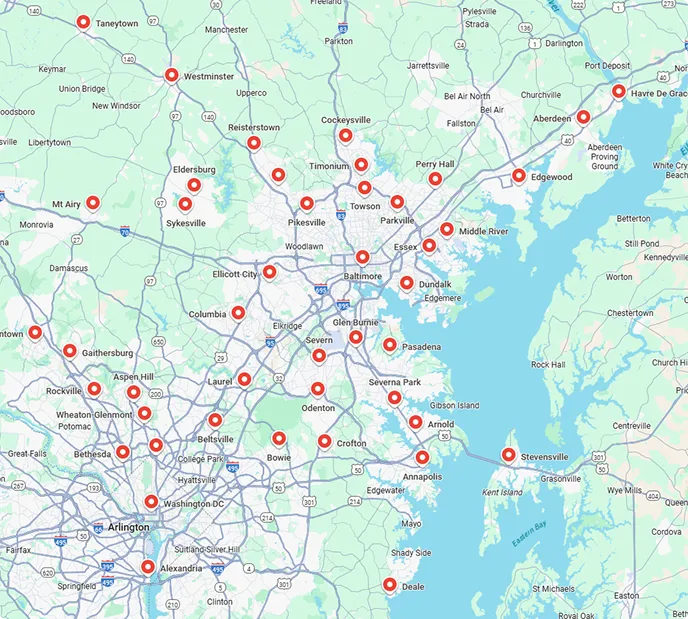
Service areas