



Furnace Installation in Washington, DC
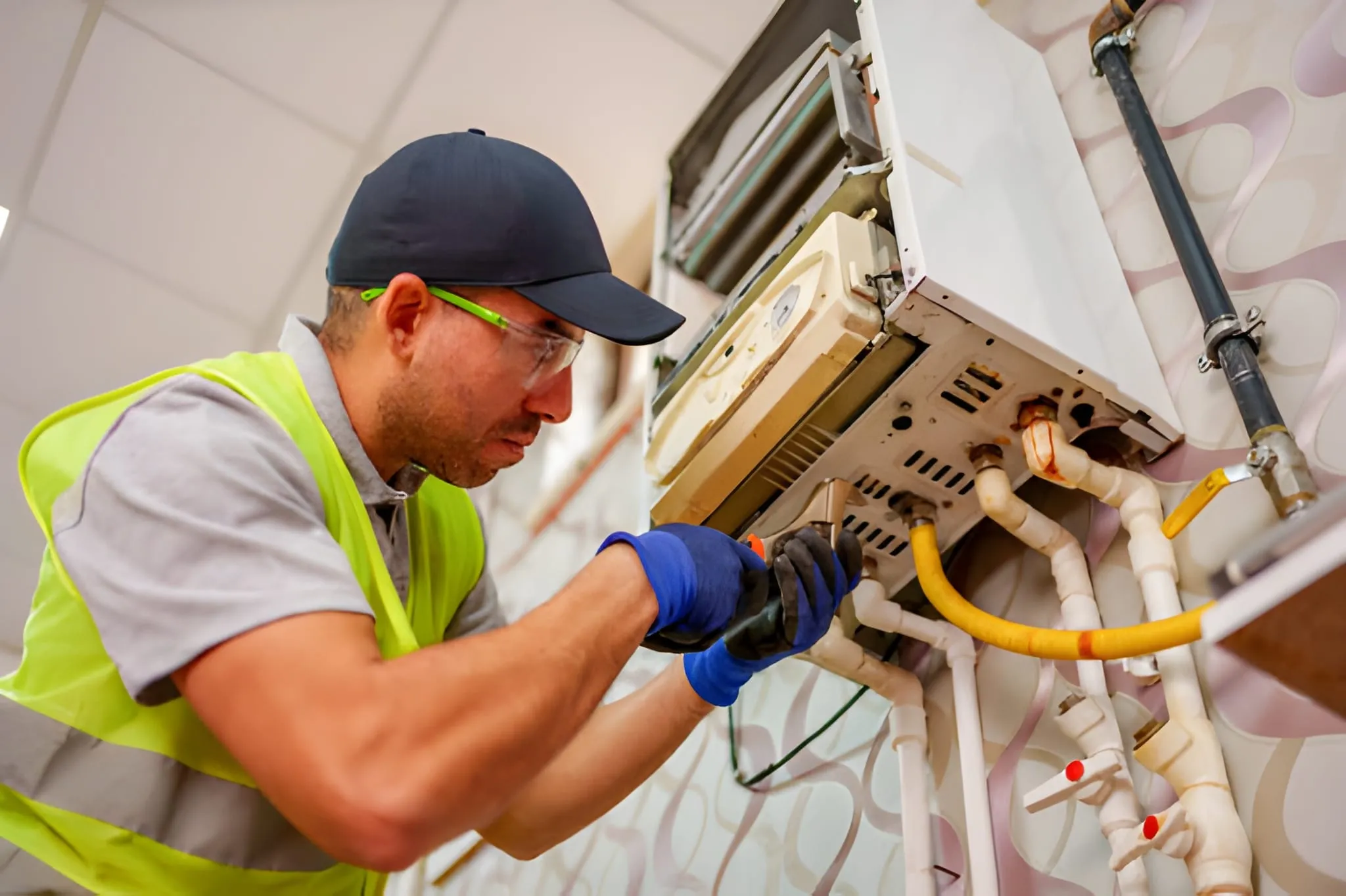
Replacing or installing a new furnace in Washington, DC, involves much more than simply swapping out old equipment. It's a precise technical process that begins with a thorough site assessment and concludes with safety verification, system commissioning, and a comprehensive homeowner orientation. For DC homes—especially with older rowhouses, tight basements, and often unpredictable winter temperatures—Tario HVAC emphasizes that proper system sizing, detailed ductwork evaluation, and code-compliant permitting are absolutely critical for reliable, efficient heating and, most importantly, the safety of your occupants.
Furnace Installation in Washington, DC
Replacing or installing a new furnace in Washington, DC is about more than swapping equipment. It is a technical process that begins with a careful site assessment and ends with safety verification, commissioning, and homeowner orientation. In DC homes—where older rowhouses, tight basements, and variable winter temperatures are common—proper system sizing, ductwork evaluation, and code-compliant permitting are critical to reliable, efficient heating and occupant safety.
Why a professional furnace installation matters in Washington, DC
Washington, DC experiences cold winters that demand dependable heating and rising energy costs that reward efficiency. Many local houses were built before modern HVAC standards, so an improperly sized or installed furnace can produce uneven heat, high energy bills, excess noise, and safety risks like carbon monoxide exposure. Professional installation minimizes these risks by ensuring the system matches your home’s layout, ductwork condition, fuel type, and local code requirements.
Common furnace problems and installation triggers in DC homes
- Undersized furnaces that struggle during cold snaps or cycle constantly.
- Oversized furnaces that short-cycle, reduce efficiency, and wear components prematurely.
- Leaky or undersized ductwork common in older rowhouses causing uneven rooms and wasted energy.
- Inadequate venting or chimneys not suitable for new high-efficiency equipment.
- Aging components, repeated repairs, or poor fuel conversion compatibility (natural gas vs propane).
Site assessment, sizing, and ductwork evaluation
A proper installation starts with a comprehensive site assessment:
- Load calculation (Manual J) — determines required heating capacity based on home square footage, insulation, window types, and orientation. This avoids the pitfalls of guessing or basing size solely on the old furnace rating.
- Ductwork inspection (Manual D/Manual S considerations) — checks for leaks, improper sizing, blockages, and routing issues that affect airflow and comfort. Existing ducts may need sealing, insulation, or resizing to match the new furnace output.
- Fuel and venting review — confirms whether existing gas lines, electrical circuits, and flues are compatible with the selected equipment or require upgrades.
Choosing the right equipment and efficiency ratings
Selecting the correct furnace involves matching capacity, fuel type, and efficiency to your home and usage patterns. Key points to consider:
- AFUE (Annual Fuel Utilization Efficiency) — higher AFUE numbers mean more heat from the fuel consumed. In DC, higher-efficiency models often pay back through lower heating bills, especially for households that use heat frequently.
- Modulating vs single-stage burners — modulating or two-stage furnaces provide more consistent comfort and improved efficiency in variable winter conditions.
- Compatibility with existing systems — confirm compatibility with existing thermostats, ventilation, and air conditioning equipment to avoid performance gaps.
Step-by-step installation process
- Pre-install planning — finalize equipment choice, order required parts, and confirm permits.
- Site preparation — secure work area, remove the old unit, and protect floors and finishes typical of tight DC interiors.
- Mounting and connections — install the furnace on a stable platform; connect gas, electrical, condensate, and vent systems per manufacturer specifications.
- Ductwork adjustments — seal or modify ducts for correct airflow, add return pathways if needed, and insulate accessible ducts.
- Control integration — install and configure thermostat and any zoning components for balanced temperature control.
- System start-up and balancing — initialize the furnace and adjust airflow, burner settings, and safety interlocks for optimal operation.
- Testing and commissioning — perform combustion analysis, gas leak checks, electrical inspections, and safety device verifications.
Safety checks and carbon monoxide testing
Safety is central to any furnace installation. Key safety procedures include:
- Gas leak testing at supply lines and fittings using industry-standard detection methods.
- Combustion efficiency testing and flue inspection to confirm safe venting and no backdrafting.
- Carbon monoxide testing at startup and after the system stabilizes to ensure CO levels remain within safe limits.
- Verification of proper clearance, emergency shutoff access, and functioning safety switches.
Permits, inspections, and local compliance
In Washington, DC, furnace installations commonly require permits and inspections to meet municipal code and safety standards. Typical requirements include:
- Mechanical or HVAC permits for replacement or new installations.
- Gas permits for new gas connections or significant gas line modifications.
- Electrical permits if new wiring or circuit changes are necessary.
- Inspections at rough-in and final stages to verify venting, combustion air, gas tightness, and safe electrical connections.
Working within DC’s permitting process ensures compliance with the District’s regulations and prevents future liability or resale complications.
Testing, commissioning, and homeowner orientation
After testing and inspection, a thorough commissioning ensures the system operates as intended:
- Burner and control settings are tuned for efficiency and comfort.
- Airflow is balanced room-to-room where possible.
- Safety systems are confirmed functional.
Homeowner orientation includes demonstration of thermostat operation, filter replacement procedures, condensate maintenance, and location and operation of emergency shutoffs. Clear explanations help households in DC avoid common misuse that can void warranties or reduce safety.
Maintenance recommendations to protect your investment
Regular maintenance extends equipment life and preserves efficiency:
- Annual professional tune-up before the heating season, including combustion analysis and safety inspections.
- Replace or clean filters every 1 to 3 months depending on filter type and occupancy.
- Seal and insulate accessible ducts to reduce heat loss in older DC homes.
- Keep combustion air intakes and vents clear, especially in tight rowhouse basements.
- Install and maintain CO detectors on each floor and replace batteries per manufacturer guidance.
Benefits of a properly installed furnace in Washington, DC
A correctly sized, installed, and ventilated furnace delivers consistent comfort during cold months, lower energy bills through improved efficiency, fewer breakdowns, and a safer indoor environment. For DC homeowners dealing with older housing stock and a regionally varied climate, professional installation and compliance with local permitting ensure long-term reliability and peace of mind.
Q: How long does a typical furnace installation take in Washington, DC?
A: Most straightforward replacements take one to two days, including system start-up and basic testing. More complex installations that require ductwork upgrades, venting changes, or permit inspections can take several days to a week depending on scope and inspection scheduling.
Q: Do I need a permit for furnace installation in DC?
A: Yes. Furnace installations and gas work generally require permits and inspections in Washington, DC to ensure compliance with local building and safety codes.
Q: What efficiency rating should I choose for a DC home?
A: Aim for higher AFUE ratings if you use heat frequently; modulating or two-stage furnaces often improve comfort and lower fuel use in DC’s variable winters. The best choice depends on your home size, insulation, and budget considerations.
Q: Will a new furnace require ductwork replacement?
A: Not always. A thorough duct evaluation will determine if sealing, insulation, or resizing is needed. Older, leaky, or poorly sized ducts often benefit from repair or modification to achieve balanced heating.
Q: How do you test for carbon monoxide after installation?
A: Technicians perform combustion efficiency checks, inspect venting and flues for proper drafting, and use calibrated CO detectors to measure CO levels at furnace startup and after the system stabilizes.
Q: What routine maintenance is most important after installation?
A: Annual professional tune-ups, regular filter changes, keeping vents clear, and monitoring CO detectors are the primary actions that maintain safety and efficiency.

Service areas
