



Furnace Maintenance in Washington, DC
Keeping your furnace tuned up and safe is absolutely essential for year-round comfort and energy efficiency in Washington, DC homes. With cold, damp winters, older rowhouses, and a mix of gas and electric systems in our region, routine furnace maintenance is crucial. Tario HVAC helps reduce breakdown risk, prevents serious safety hazards like carbon monoxide exposure, and ultimately helps control your heating costs. Let's explore what our professional furnace maintenance covers, common local issues we address, the diagnostic and repair steps our technicians use, and the options for preventative maintenance plans tailored specifically to DC households.
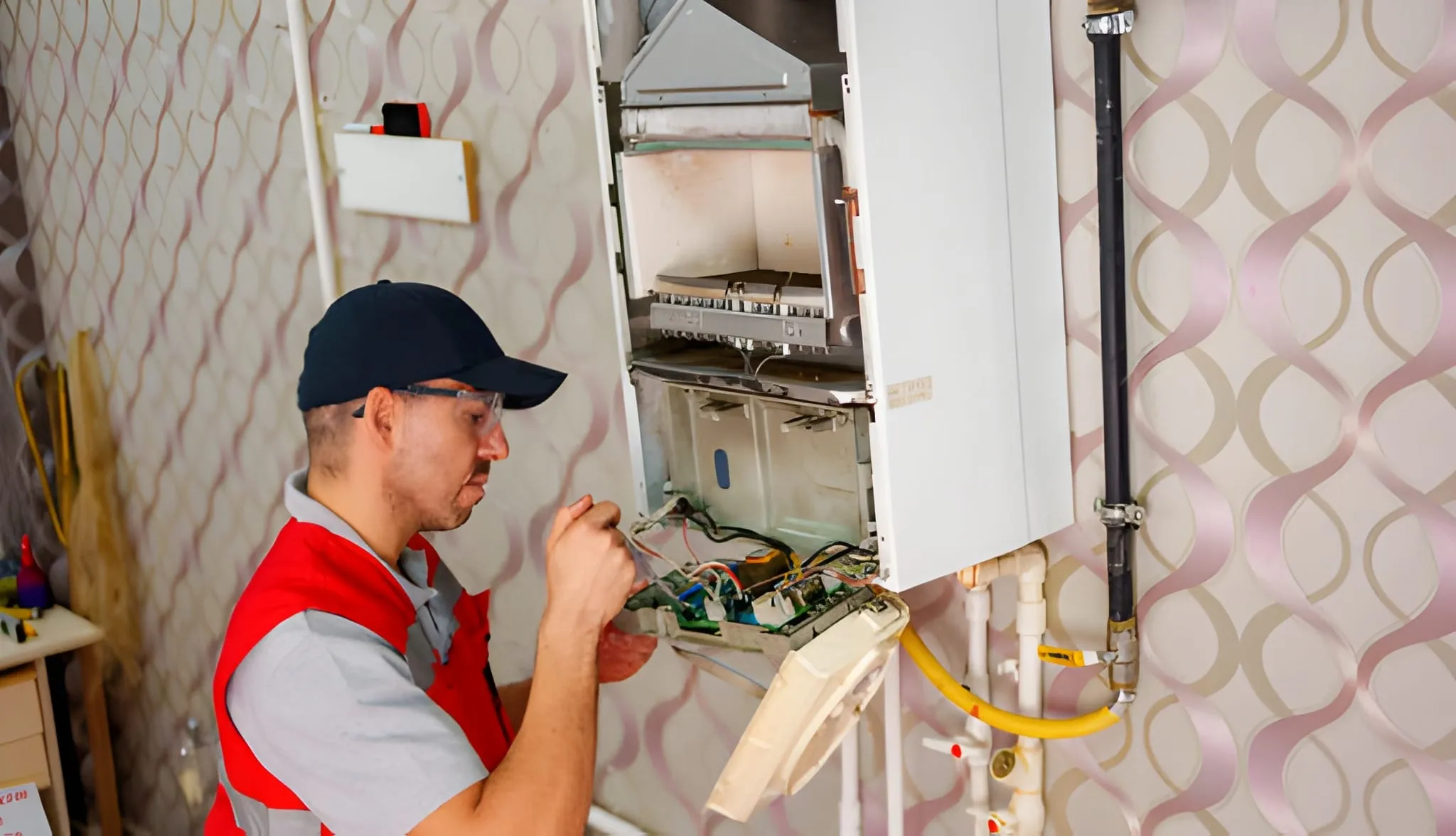
Furnace Maintenance in Washington, DC
Keeping your furnace tuned and safe is essential for year-round comfort and energy efficiency in Washington, DC homes. With cold, damp winters, older rowhouses, and a mix of gas and electric systems in the region, routine furnace maintenance reduces breakdown risk, prevents safety hazards such as carbon monoxide exposure, and helps control heating costs.
What a Furnace Maintenance Program Includes
A comprehensive furnace maintenance program addresses mechanical, combustion, electrical, and safety elements to keep equipment running reliably.
- Seasonal tune-up (recommended before heating season): Full system inspection, cleaning, adjustments, and functional testing.
- Filter inspection and replacement schedule: Guidance and replacement based on filter type and home conditions.
- Cleaning burners and heat exchanger inspection: Remove soot and deposits, visually inspect the heat exchanger for cracks or corrosion that could cause leaks.
- Blower, motor, and air handler cleaning: Clean blower wheel, motor housing, and ducts where accessible to restore airflow.
- Lubrication of moving parts: Bearings, motors, and fans where applicable to reduce wear and noise.
- Inspection of electrical components and safety controls: Tighten connections, check capacitors, relays, and verify limit switches and safety interlocks.
- Ignition and pilot system checks: Test electronic ignition, pilots, and gas valve operation for safe startup.
- Combustion and efficiency testing: Use combustion analyzers to measure CO, oxygen, and draft to confirm safe, efficient combustion.
- Vent and flue inspection: Ensure proper venting and clearances to prevent backdrafting and CO buildup.
- Detailed maintenance report: Document findings, recommended repairs, and expected impact on performance.
Typical Maintenance Process (What to Expect)
A professional tune-up follows a consistent sequence so nothing is overlooked.
- Arrive and review system history and homeowner concerns.
- Power down the furnace and perform an initial visual safety inspection.
- Replace or clean filters and verify airflow at registers.
- Clean burners, blowers, and accessible ducts; remove debris from the combustion area.
- Inspect the heat exchanger for cracks or corrosion and check flue connections.
- Test electrical connections, controls, and thermostat calibration.
- Run combustion tests and measure carbon monoxide levels.
- Start the system through a full operating cycle to observe performance and noise.
- Provide a written report outlining work completed and recommended follow-up items.
Common Furnace Problems in Washington, DC Homes
Washington, DC has particular housing characteristics and climate impacts that influence common furnace issues.
- Short cycling: Often caused by clogged filters, improper airflow, or oversized equipment that struggles in tight rowhouse ductwork.
- Weak or inconsistent heat: Dirty burners, restricted airflow, or failing blower motors are typical culprits.
- Rising energy bills: Dirty components, unsealed ductwork, and poor combustion efficiency reduce system performance.
- Frequent pilot or ignition failures: Corrosion, debris, or failing ignition modules can interrupt reliable starts.
- Noisy operation: Loose panels, worn bearings, or imbalanced blower wheels create rattles and vibrations in older home installations.
- Safety concerns like carbon monoxide or backdrafting: Improper venting, cracked heat exchangers, or blocked chimneys pose serious risks that maintenance aims to detect and resolve.
Regular maintenance mitigates these issues before they become emergencies, especially during DC cold snaps when demand spikes.
Filter Guidance and Recommended Frequency
Filter maintenance is one of the highest-impact homeowner tasks and should complement professional tune-ups.
- Check disposable 1-inch filters monthly; replace at least every 1 to 3 months depending on use.
- Pleated 4- or 5-inch filters typically last 3 to 6 months.
- High-efficiency or high-MERV filters may need replacing every 3 to 12 months depending on manufacturer guidance and airflow constraints.
- Homes with pets, smokers, or high dust levels may require more frequent changes.
A professional visit once annually before the heating season is a minimum. Homes with older equipment, frequent cycling, or high use may benefit from two visits per year.
Benefits of Regular Furnace Maintenance
Routine maintenance delivers measurable advantages for DC homeowners.
- Longer equipment life: Cleaning, lubrication, and adjustments reduce wear and prolong service life.
- Improved efficiency and lower energy usage: Proper combustion tuning and clean components restore lost efficiency and help lower utility costs.
- Fewer breakdowns and emergency repairs: Early detection of worn parts prevents mid-season failures.
- Enhanced safety: Combustion testing and heat exchanger inspections reduce the risk of carbon monoxide exposure.
- Consistent comfort: Balanced airflow and correct thermostat calibration lead to more even heating throughout the home.
- Warranty preservation: Many manufacturers require regular maintenance to keep warranties valid.
Efficiency gains depend on system condition, but returning a neglected furnace to good operating order often results in noticeable performance improvements.
Preventative Maintenance Plans and Service Agreements
Preventative maintenance plans offer structured, predictable care and are well suited to Washington, DC homeowners who rely on consistent heating during long winters.
Common features of maintenance plans:
- Scheduled seasonal visits and reminders
- Priority scheduling during peak season
- Regular filter delivery or replacement options
- Discounted repair rates or bundled inspection services
- Detailed inspection reports and maintenance logs
For older homes, historic properties, or homes with complex duct layouts common in DC neighborhoods, a maintenance plan reduces the risk of mid-winter failures and provides documented service history useful for property resale or warranty compliance.
Final Notes on Safety and DIY Tasks
Homeowners can and should perform basic tasks such as checking and replacing filters, testing thermostat batteries, and clearing visible debris from vents. However, combustion testing, heat exchanger inspection, and any work on gas lines or electrical controls should be performed by trained technicians to ensure safety and compliance with local codes.
FAQs
Q: How often should I schedule professional furnace maintenance in Washington, DC?
A: Schedule a full professional tune-up at least once a year before the heating season; homes with older equipment or heavy use may benefit from twice-yearly visits.
Q: Does maintenance include carbon monoxide testing?
A: Yes. Comprehensive maintenance includes combustion analysis and CO level checks to verify safe operation and proper venting.
Q: Can I just change the filter myself and skip professional maintenance?
A: Changing filters is important, but professional maintenance covers combustion testing, heat exchanger inspection, electrical checks, and cleaning that DIY tasks cannot safely replicate.
Q: How long does a typical tune-up take?
A: Most residential furnace tune-ups take about 60 to 90 minutes depending on system access, age, and any findings that require further attention.
Q: Are preventative maintenance plans worth it in Washington, DC?
A: For many DC homeowners, especially those with older homes or gas furnaces, a maintenance plan provides reliable seasonal care, reduced emergency risk, and documented inspections that improve safety and equipment longevity.

Service areas
