

Furnace Service in Aspen Hill, MD
A reliable furnace is essential for Aspen Hill, MD homes where cold winter nights demand consistent heat, efficient operation, and safe performance. Tario HVAC's furnace service in Aspen Hill, MD focuses on diagnosing problems quickly, repairing worn components, performing seasonal maintenance, and installing correctly sized systems so homeowners stay comfortable and avoid costly emergency breakdowns. We'll explain common furnace issues in Aspen Hill, what a thorough service includes, how our technicians diagnose and fix problems, emergency procedures, and what to expect from the estimate and booking process.
.webp)
Furnace Service in Aspen Hill, MD
A reliable furnace is essential for Aspen Hill, MD homes where cold winter nights demand consistent heat, efficient operation, and safe performance. Furnace service in Aspen Hill, MD focuses on diagnosing problems quickly, repairing worn components, performing seasonal maintenance, and installing correctly sized systems so homeowners stay comfortable and avoid costly emergency breakdowns. This page explains common furnace issues in Aspen Hill, what a thorough service includes, how technicians diagnose and fix problems, emergency procedures, and what to expect from the estimate and booking process.
Common furnace issues in Aspen Hill, MD
- No heat or intermittent heating — frequently caused by thermostat problems, failed ignition systems, blocked burners, or control board faults.
- Weak airflow — due to dirty filters, restricted return vents, blower motor issues, or duct leakage.
- Unusual noises — rattling, banging, or squealing can indicate loose panels, failing bearings, or delayed ignition.
- High energy use — aging furnaces or incorrect sizing produce higher utility bills. Aspen Hill’s cold snaps make efficiency especially important.
- Short cycling — rapid on/off operation from improper sizing, clogged filters, or safety limits tripping.
- Odors and combustion concerns — persistent fuel or burning smells require immediate attention for safety and combustion verification.
Furnace service types offered
- Complete diagnostics — systematic inspection of ignition, combustion, controls, electrical components, airflow, and venting.
- Repairs and component replacement — safe repair of heat exchangers, ignition modules, gas valves, blowers, motors, and control boards with OEM or equivalent parts.
- Scheduled maintenance and tune-ups — seasonal service to optimize efficiency and reduce breakdown risk.
- New furnace installation and replacement — system sizing, load calculation, permit compliance, and professional installation.
- Emergency response procedures — triage, temporary safety measures, and prioritized follow-up for hazardous failures.
Diagnostic process — what a full inspection covers
A professional furnace diagnostic follows a logical sequence to identify root causes without guesswork:
- Visual inspection of cabinet, burners, heat exchanger, flue, and visible wiring for corrosion, cracks, or leaks.
- Safety checks including combustion analysis when applicable, pressure testing, and carbon monoxide screening to confirm safe operation.
- Controls and electrical testing to verify thermostats, limit switches, transformers, relays, and control boards are functioning.
- Airflow assessment measuring filter condition, blower performance, and duct restrictions or leaks.
- Operational test through a full heat cycle to observe ignition, flame stability, cycling behavior, and temperature rise.
- Documentation and recommendation with a written summary of findings and prioritized repair or replacement options.
Repairs and installations explained
Repairs address the immediate malfunction with attention to long-term reliability. Common fixes include replacing blower motors, ignition components, flame sensors, and control modules. For installations, accurate sizing using load calculations (Manual J principles) ensures the new furnace matches your home’s heating requirements. Proper venting, flue connections, and adherence to Montgomery County code and manufacturer instructions are part of a professional installation. Upgrades such as variable-speed blowers, two-stage burners, and high-efficiency models can improve comfort and lower operating costs in Aspen Hill’s climate.
Maintenance checklist and benefits
A typical seasonal tune-up includes:
- Replacing or inspecting filters and recommending appropriate MERV levels for indoor air quality.
- Cleaning burners and flame sensors, adjusting gas pressure if required.
- Lubricating motors and checking belt tension.
- Verifying thermostat calibration and system controls.
- Inspecting venting and chimney connections for blockages or corrosion.
- Testing safety devices and conducting basic combustion checks.
Regular maintenance extends equipment life, restores design efficiency, reduces the chance of mid-winter failures, helps maintain indoor air quality during Aspen Hill’s high-pollen seasons, and improves safety by catching combustion issues early.
Emergency service procedures
Emergencies are triaged to protect safety first. When a hazardous symptom is present (strong fuel smell, persistent carbon monoxide alarm, or severe failure), standard emergency procedures include isolating the fuel source, ventilating the area, performing immediate safety diagnostics, and providing a short-term safe state if a full repair cannot be completed immediately. Technicians prioritize containment and stabilization, then follow up with a detailed repair plan and timeline.
Technician qualifications and certifications
Qualified furnace technicians working in Aspen Hill typically hold:
- NATE certification or equivalent industry credentials for hands-on expertise.
- State or local HVAC licensure where required and familiarity with Montgomery County permitting and inspection processes.
- Gas appliance safety training and experience with combustion analysis.
- Manufacturer training for specific high-efficiency models and modulating systems.
- Background checks and professional continuing education to stay current on codes, refrigerants, electronics, and safety standards.
These credentials ensure technicians can diagnose complex control issues, safely handle gas systems, and install modern high-efficiency units correctly.
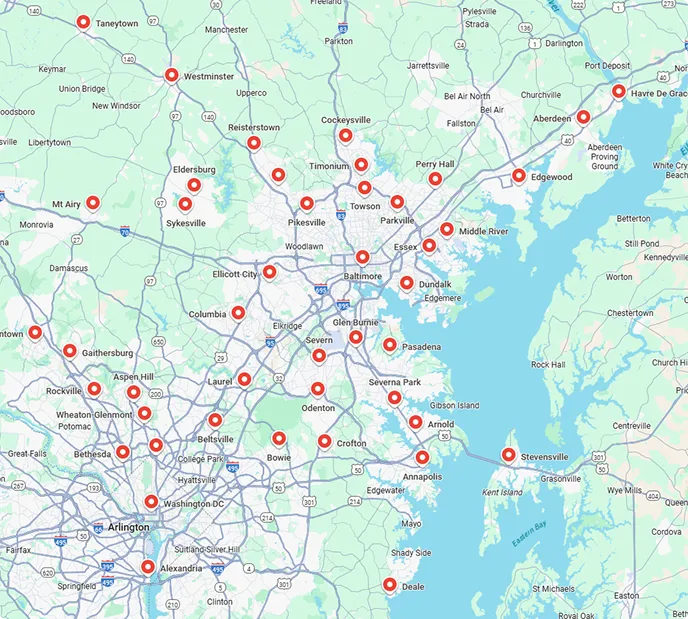
Service area coverage and local considerations
Furnace service in Aspen Hill, MD addresses neighborhood needs and nearby Montgomery County communities. Local climate patterns—cold winters with occasional extended cold spells and humid summers—affect heating system wear and influence decisions like humidity control and duct sealing. Aspen Hill homes with older duct systems or hybrid heating setups may benefit from integrated HVAC evaluations that consider both heating efficiency and indoor air quality improvements.
Estimate and scheduling process
Typical service flow begins with scheduling a diagnostic visit, during which a technician performs a thorough inspection and documents findings. After diagnostics, customers receive a clear written estimate that outlines recommended repairs or replacement options, parts and labor considerations, expected timelines, and warranty coverage for parts and work. Estimates focus on transparency and comparison of repair versus replacement when applicable. Scheduling and follow-up appointments are coordinated to meet homeowner availability and seasonal priorities.
Why timely furnace service matters
Prompt attention to furnace issues protects household safety, improves comfort, reduces energy waste, and prevents small problems from becoming costly failures during Aspen Hill’s cold months. Regular professional service keeps systems running efficiently, safeguards against combustion hazards, and helps maintain reliable heat when you need it most.
Q: How often should I schedule furnace maintenance?
A: Annual maintenance before the heating season is standard; homes with heavy use, pets, or poor indoor air quality may benefit from twice-yearly inspections.
Q: What should I expect during an onsite estimate?
A: A technician will inspect the system, run diagnostic tests, document findings, and provide a written recommendation with repair options, timelines, and warranty details.
Q: Can older furnaces be repaired or should they be replaced?
A: Repair viability depends on age, cost of needed parts, efficiency loss, and safety. Systems beyond typical service life or with significant heat exchanger issues are often better replaced.
Q: Are technicians certified to work on gas furnaces and perform combustion testing?
A: Technicians typically hold industry certifications such as NATE, state HVAC licensure, and specific gas appliance safety training, enabling safe combustion testing and adjustments.
Q: What happens during an emergency service call for hazardous symptoms?
A: Emergency procedures prioritize safety: isolating the fuel source if needed, ventilating the area, conducting immediate safety diagnostics, and stabilizing the system before completing permanent repairs.
Q: Will a new furnace installation require permits or inspections?
A: Installations commonly require permits and code compliance checks; technicians familiar with local regulations handle permit submission and final inspection coordination.
Q: How can I improve indoor air quality while maintaining heating efficiency?
A: Regular filter changes, proper MERV selection, duct sealing, and adding whole-home filtration or humidity control systems can improve air quality without sacrificing efficiency.
Q: How long does a typical repair or tune-up take?
A: Tune-ups generally take 60 to 90 minutes; repair times vary by issue and parts availability, with the diagnostic visit providing a clearer timeline.

Service areas