

Furnace Replacement in Aspen Hill, MD
Replacing a furnace is a major home investment that affects comfort, safety, and long-term energy costs. For homeowners in Aspen Hill, MD, selecting the right time and type of furnace replacement matters because cold, damp winters and older Montgomery County housing stock increase the demand on heating systems. Tario HVAC is here to help you decide when replacement is recommended versus repair. We'll explain the replacement process (system sizing, energy-efficiency, brand types, and permits), cover removal and disposal of old equipment, outline financing and rebate options, and summarize installation timelines and warranties so you can make an informed decision.
.webp)
Furnace Replacement in Aspen Hill, MD
Replacing a furnace is a major home investment that affects comfort, safety, and long-term energy costs. For homeowners in Aspen Hill, MD, selecting the right time and type of furnace replacement matters because cold, damp winters and older Montgomery County housing stock increase the demand on heating systems.
When to Replace vs Repair
Knowing whether to repair or replace comes down to age, performance, cost, and reliability.
- Age: Furnaces older than 15 to 20 years are often past peak efficiency. If your unit is in this range it is usually more cost effective to replace.
- Recurring Repairs: Multiple repairs in a single season or frequent breakdowns indicate declining reliability and rising lifetime cost.
- Efficiency and Bills: If heating bills are increasing despite routine maintenance, an older low-AFUE furnace may be the cause.
- Comfort and Safety: Persistent uneven heating, excessive dust, or suspected carbon monoxide risks are strong reasons to replace.
- Replacement may be recommended when the cost of a single major repair approaches 50 percent or more of the replacement cost, or when improved efficiency will pay back the investment in a reasonable timeframe.
Common Furnace Issues in Aspen Hill, MD Homes
Aspen Hill homes face specific patterns that influence furnace performance.
- Corrosion and rust from humid winters that accelerate component wear.
- Clogged ducts or inadequate insulation, causing the system to run longer and reducing lifespan.
- Age-related failures of heat exchangers, blowers, and ignition systems.
- Older single-stage furnaces struggling to maintain even temperatures in larger or multi-zone homes.
- Gas line or venting issues due to older installations that no longer meet current code or efficiency standards.
The Furnace Replacement Process
Replacing a furnace is a multi-step process that ensures safety, efficiency, and compliance with local codes.
System sizing and load calculation
- A proper replacement starts with a Manual J load calculation to determine the correct capacity for your home. Oversized units cycle too frequently and undersized units cannot maintain comfort.
- Sizing takes into account insulation, window efficiency, home orientation, ceiling height, and local climate factors such as Aspen Hill winter temperatures.
Energy-efficiency considerations
- Look at AFUE ratings (Annual Fuel Utilization Efficiency). Higher AFUE yields lower fuel use and operating cost.
- Consider variable-speed blowers and modulating burners for better comfort and lower operating noise.
- Upgrading to a higher-efficiency system can reduce fuel use and may improve indoor air quality with integrated filtration and humidity controls.
Brand and system comparisons
- Standard single-stage gas furnaces: reliable baseline performance for many homes.
- Two-stage furnaces: better mid-range performance and improved comfort.
- Modulating or variable-capacity systems: best efficiency and consistent temperature control, useful for larger or tightly sealed homes.
- Consider blower type, warranty length, and availability of replacement parts when comparing brands.
Permit requirements and code compliance
- Furnace replacement in Aspen Hill typically requires local permits and inspections to verify safe gas connections, venting, combustion air, and electrical wiring.
- A licensed contractor will pull the necessary permits, schedule inspections, and ensure the new installation meets current Montgomery County codes.
Removal and Disposal of Old Equipment
Safe removal protects your home and the environment.
- Professional disconnection of gas and electrical services, followed by safe removal of the old furnace.
- Refrigerants do not apply to gas furnaces, but oil-fired systems or components with asbestos in older installations require special handling and disposal.
- Salvage and recycling of metal and other materials is standard practice; proper disposal documentation may be provided as part of the job.
Financing and Rebate Options
Several pathways can make upgrading more affordable.
- Financing options: Many homeowners use home improvement financing, home equity, or contractor financing plans to spread the investment over time.
- Utility and state rebates: High-efficiency systems often qualify for local utility incentives or state energy programs. Eligibility depends on equipment specifications and documentation.
- Federal incentives: Certain high-efficiency equipment or energy improvements may qualify for federal tax credits when they meet program criteria.
- Always check current program availability and documentation requirements before purchase to confirm eligibility.
Installation Timeline and Warranty Information
What to expect on schedule and protection after installation.
- Typical timeline: A straightforward furnace swap can often be completed in one day. Complex jobs involving duct modifications, new venting, or system upsizing may take 2 to 3 days.
- Site preparation: Clear access to the furnace area and removing obstructions speeds installation.
- Warranties: Most furnaces come with manufacturer warranties on the heat exchanger and parts. Labor warranties vary by installer. Manufacturer warranties usually require proper registration and proof of regular maintenance.
- Extended warranty options are available for parts and labor from some installers, and maintaining a service contract preserves warranty coverage.
Long-Term Cost and Comfort Benefits
Replacing a furnace is about more than immediate performance; it affects long-term costs and livability.
- Lower utility bills: Higher AFUE and improved system controls reduce fuel consumption.
- More consistent comfort: Modern systems provide steadier temperatures and better humidity control.
- Improved indoor air quality: New blowers and filtration options reduce dust and allergens.
- Increased home safety and resale value: Updated equipment and permits reassure buyers and inspectors.
- Lower maintenance burden: Newer systems typically require fewer repairs in the first decade of service.
Maintenance Tips After Replacement
- Schedule annual professional tune-ups to retain warranty coverage and maintain peak efficiency.
- Replace or clean filters every 1 to 3 months depending on usage and filter type.
- Keep vents and return grilles clear and maintain proper insulation to reduce load on the system.
- Monitor utility usage after replacement to confirm expected energy savings.
FAQs
Q: How do I know if my furnace needs replacement now or if a repair will do?
A: Consider age, frequency and cost of recent repairs, comfort levels, and rising energy bills. Multiple repairs in a short period or an older furnace over 15 years old usually favors replacement. If safety concerns like a cracked heat exchanger or carbon monoxide issues are present, replacement is the safer option.
Q: What efficiency rating should I look for in Aspen Hill, MD?
A: Look for the highest AFUE you can reasonably afford, typically 90 percent AFUE or higher for gas furnaces when aiming for significant energy savings. Modulating systems and variable-speed blowers add comfort and efficiency benefits for tighter, well-insulated homes.
Q: Will replacing my furnace require a permit or inspection?
A: Yes. Furnace replacement generally requires permits and inspections to ensure proper gas connections, venting, and compliance with local building codes. A licensed contractor will handle permits and inspections.
Q: How long does a furnace replacement usually take?
A: A simple like-for-like replacement can often be finished in one day. Jobs that involve resizing ducts, relocating the unit, or adding new venting typically require 2 to 3 days.
Q: Can I recycle my old furnace?
A: Yes. Most metal components are recyclable. Proper disposal involves safe gas and electrical disconnection and recycling of metal parts. Older systems with hazardous materials such as asbestos or oil tanks need special handling.
Q: Are there rebates or tax credits available for high-efficiency furnaces?
A: Many high-efficiency systems qualify for utility rebates, state energy incentives, or federal tax credits depending on current programs and qualifying equipment. Verify program details and required documentation before purchasing.

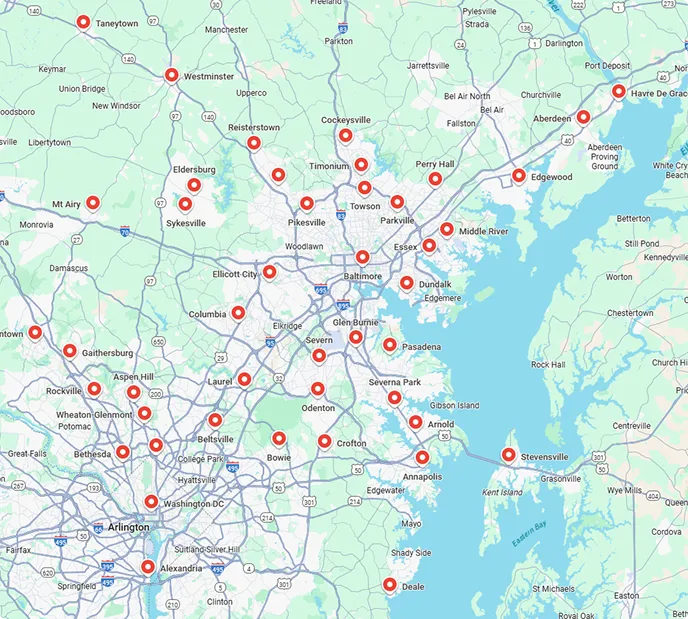
Service areas