



Furnace Maintenance in Aspen Hill, MD
Keeping your home warm and safe during Aspen Hill winters starts with professional furnace maintenance from Tario HVAC. Regular, seasonal tune-ups reduce breakdown risk, improve energy efficiency, and prolong equipment life - especially important in Montgomery County, where cold snaps drive heavy furnace use. Tario HVAC offers thorough furnace maintenance programs, addressing common furnace issues in Aspen Hill. We provide a step-by-step tune-up checklist, explain our typical maintenance plans, recommend schedules, and let you know what to expect during a service visit.
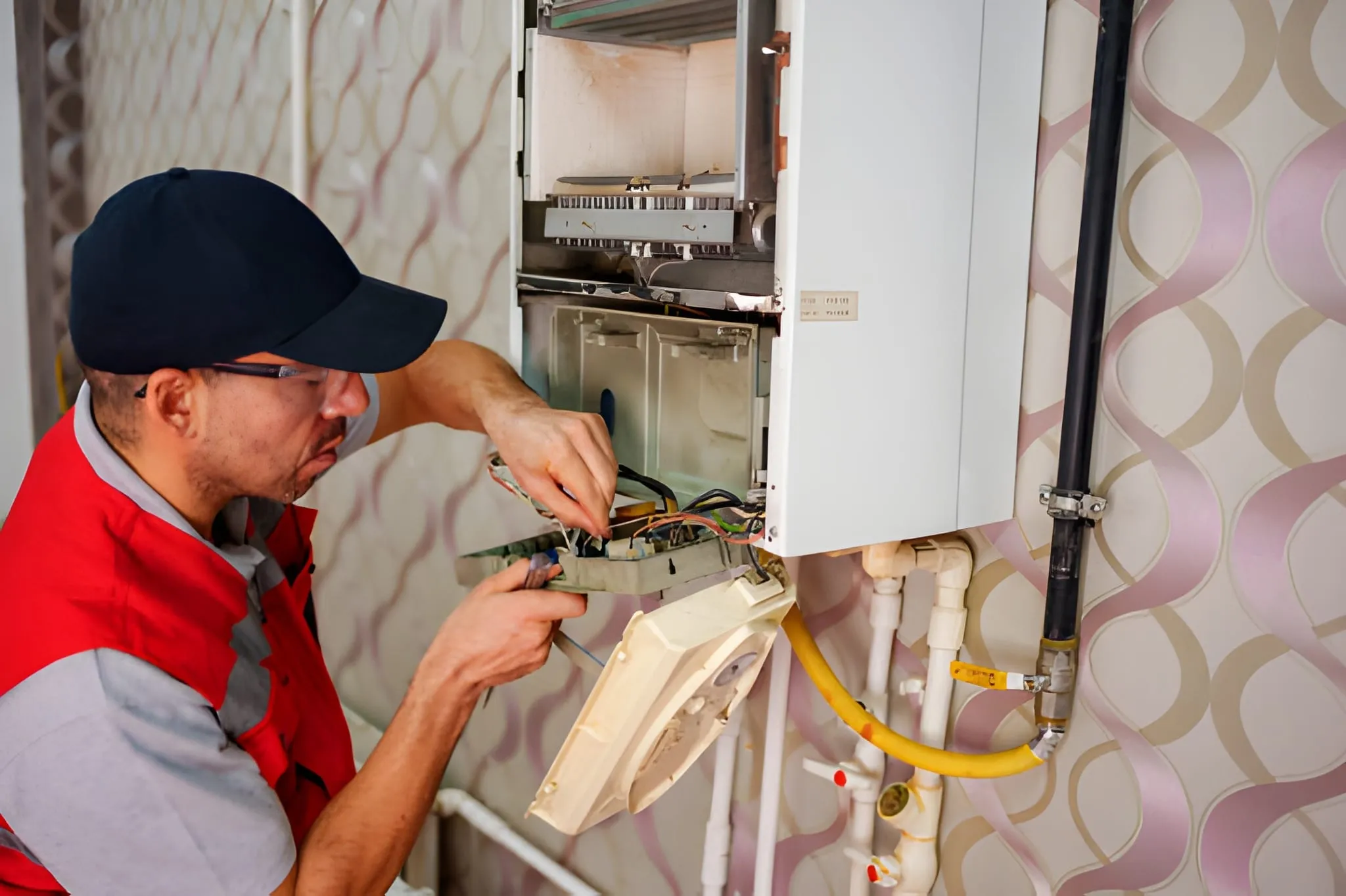
Furnace Maintenance in Aspen Hill, MD
Keeping your home warm and safe during Aspen Hill winters starts with professional furnace maintenance. Regular, seasonal tune-ups reduce breakdown risk, improve energy efficiency, and prolong equipment life - especially important in Montgomery County, where cold snaps drive heavy furnace use.
Why furnace maintenance matters in Aspen Hill, MD
Aspen Hill sees cold, sometimes prolonged winter periods that put extra load on heating systems. Older homes in the area can have historic duct layouts, tighter insulation upgrades, or mixed-age HVAC equipment that increase the importance of pre-season inspections. Routine maintenance helps:
- Maintain efficient combustion and lower fuel bills during peak use months
- Catch safety issues like a cracked heat exchanger or malfunctioning safety controls
- Prevent inconvenient mid-winter failures when repair times can be longer
- Extend the useful life of furnaces that are expensive to replace
Common furnace issues in Aspen Hill homes
Homeowners in this area often experience these recurring problems if maintenance is deferred:
- Dirty or clogged filters that reduce airflow and cause frost or short cycling
- Soot or burner buildup that reduces combustion efficiency
- Faulty ignition or pilot assembly causing hard starts or no heat
- Worn blower motors or belts leading to weak airflow and uneven heating
- Venting or flue obstructions that risk carbon monoxide buildup
- Corrosion or rust on components from seasonal humidity and condensation
Seasonal furnace tune-up checklist
A complete seasonal furnace tune-up follows a clear checklist so nothing is missed. Typical items include:
- Change or inspect air filters - replace disposable filters and advise on MERV ratings or reusable options
- Clean burners and combustion chamber - remove soot and deposits to restore proper flame pattern
- Inspect heat exchanger - look for cracks or signs of stress that could cause safety hazards
- Test safety controls - verify limit switches, flame sensors, and other interlocks
- Check ignition system - test hot surface igniters, pilot lights, or electronic ignition for reliable starts
- Measure airflow and inspect blower assembly - clean blower wheel, lubricate motor bearings if applicable, and check belt condition
- Test thermostat calibration and operation - confirm setpoint accuracy and control response
- Inspect flue and venting - ensure proper draft, secure connections, and no blockages
- Check gas pressure and combustion (when accessible) - verify safe, efficient combustion characteristics
- Inspect electrical connections - tighten terminals and look for signs of overheating
- Verify condensate drainage (for high-efficiency furnaces) - clear traps and lines
- Document findings and provide a maintenance report with recommended repairs
How maintenance visits are performed
Most seasonal visits follow a consistent, safety-focused process:
- Arrival and system history review - technician confirms make, age, previous issues, and homeowner concerns
- Safety first - shut down power or gas as needed and take precautions before working on components
- Visual inspection - look for leaks, corrosion, rust, rodent damage, or visible wear
- Diagnostics and cleaning - run the system, observe operation, clean burners and components, and measure airflow or combustion where relevant
- Adjustments and minor repairs - tighten electrical connections, adjust controls, replace filters, and lubricate moving parts
- Final testing - run the furnace through a full cycle to confirm proper operation and safety control function
- Service report - leave a clear record of what was done, any parts replaced, and recommended next steps
Most maintenance visits take roughly 60 to 90 minutes depending on system condition and complexity. Thorough documentation helps track system health year to year.
Maintenance plans and service agreements
Homeowners commonly choose from tiered maintenance plans that provide clear benefits:
- Basic annual inspection - includes filter check/replacement, safety control tests, and visual inspection
- Comprehensive tune-up - full checklist with burner cleaning, blower service, thermostat calibration, and detailed reporting
- Priority plan - scheduled seasonal visits plus priority scheduling for winter repairs and potential discounts on parts or labor
- Multi-system agreements - cover both heating and cooling systems for year-round service continuity
Plans typically include scheduled reminders, year-to-year service records, and tailored recommendations based on equipment age and usage patterns. For older furnaces or homes with heavy winter usage, more frequent checks may be advised.
Recommended maintenance schedule
- Annual professional tune-up in early fall - prepare the system before heavy winter use
- Filter checks every 1 to 3 months during the heating season - frequency depends on filter type, pets, or household dust levels
- Mid-season check for older or heavily used systems - a quick inspection can prevent emergent issues
- Prompt inspection after prolonged outages or fuel delivery issues - ensure safe restart and operation
For high-efficiency condensing furnaces or units with advanced electronics, follow manufacturer guidance for service intervals and any warranty conditions.
Benefits of regular furnace maintenance
Investing in routine maintenance provides clear, practical advantages:
- Higher system efficiency and lower heating bills during Aspen Hill winters
- Fewer emergency repairs and reduced risk of mid-season failures
- Improved indoor comfort with consistent temperatures and airflow
- Increased safety through early detection of heat exchanger or venting problems
- Longer system life and better return on the initial equipment investment
- Accurate documentation that can maintain warranty compliance and support resale value
Aspen Hill’s climate and housing stock make proactive furnace maintenance especially important. Cold, extended winter operation combined with humidity swings can accelerate wear, so a thorough pre-season tune-up is the best strategy to safeguard comfort, efficiency, and safety for your home.
Frequently Asked Questions
Q: How often should I schedule furnace maintenance in Aspen Hill, MD?
A: Schedule a professional tune-up at least once annually in early fall; check disposable filters every 1 to 3 months, and consider mid-season checks for older or heavily used systems.
Q: What is included in a typical seasonal furnace tune-up?
A: A full tune-up usually includes filter replacement, burner and combustion chamber cleaning, safety control testing, blower and airflow inspection, thermostat calibration, flue and vent checks, and a written service report.
Q: Will maintenance reduce my heating bills?
A: Yes. Cleaning burners, replacing filters, and correcting airflow and combustion issues all restore efficiency and can lower fuel use during heavy heating periods.
Q: How long does a maintenance visit take?
A: Most comprehensive tune-ups take about 60 to 90 minutes, depending on the system and any repairs needed.
Q: Do maintenance plans include emergency service or discounts?
A: Many plans offer priority scheduling and potential parts or labor discounts; plan specifics vary, but typical benefits include scheduled reminders and documented service history.
Q: Can maintenance prevent safety hazards like carbon monoxide leaks?
A: Regular inspections of the heat exchanger, venting, and safety controls significantly reduce the risk of dangerous conditions by identifying issues before they become critical.

Service areas
