

Furnace Replacement in Essex, MD
Replacing a furnace is one of the most important home investments for Essex, MD homeowners. Winters here can be cold and damp, and an aging or undersized furnace leads to higher energy bills, uneven comfort, and safety risks. Tario HVAC helps homeowners in Essex, MD understand the full furnace replacement process, so you can choose the right system, get clear on timelines and costs, and feel confident about permits, disposal, warranties, and local incentives.
.webp)
Furnace Replacement in Essex, MD
Replacing a furnace is one of the most important home investments for Essex, MD homeowners. Winters here can be cold and damp, and an aging or undersized furnace leads to higher energy bills, uneven comfort, and safety risks. This page explains the full furnace replacement process in Essex, MD so you can choose the right system, understand timelines and costs, and be confident about permits, disposal, warranties, and local incentives.
Why replace a furnace in Essex, MD
- Older furnaces lose efficiency and can fail during peak winter periods common in the Baltimore suburbs.
- Humidity and seasonal temperature swings place extra demand on heating systems; a properly sized, high-efficiency furnace improves comfort and reduces energy use.
- Many Essex homes were built decades ago and may have undersized equipment or ductwork that limits system performance.
- Replacing an unsafe or failing furnace reduces risks from carbon monoxide, gas leaks, and combustion inefficiency.
Common furnace replacement scenarios in Essex, MD
- Aging natural gas furnaces with low AFUE ratings and repeated repairs.
- Oil-to-gas conversions where homeowners switch to natural gas or high-efficiency electric heat pumps.
- Undersized systems that can’t maintain temperature on the coldest days.
- High-humidity concerns where improved airflow and variable-speed equipment helps indoor comfort.
- Retrofits with ductwork issues needing both furnace replacement and duct repairs.
Initial evaluation and diagnostics
A thorough pre-replacement evaluation prevents surprises:
- Visual inspection of the existing furnace, flue/venting, and combustion components.
- Safety checks for gas lines, carbon monoxide detectors, and proper venting.
- Assessment of existing ductwork condition and airflow.
- Energy-history review to estimate performance and expected savings.
Load sizing and equipment selection
Accurate sizing is critical. Professionals use load/sizing calculations to match equipment to your home:
- Heat load calculation (Manual J style): evaluates insulation, window area, orientation, and local climate to determine required capacity.
- Equipment selection (Manual S style): compares models and efficiency levels that meet the load without oversizing.
- Duct evaluation (Manual D considerations): ensures ducts can deliver the required airflow; oversized furnaces with undersized ducts produce noise and inefficiency.
Focus areas when choosing a model:
- AFUE rating: higher AFUE means greater fuel-to-heat efficiency; condensing furnaces often exceed 90% AFUE.
- Blower type: single-stage, two-stage, and variable-speed blowers impact comfort and humidity control.
- Modulation: modulating burners allow finer control, better efficiency, and improved comfort.
- Compatibility: ensure compatibility with existing thermostat and whether zoning or smart controls are desired.
Comparing high-efficiency models and cost factors
When comparing high-efficiency systems consider:
- Purchase price versus long-term utility savings in the Essex climate.
- Installation complexity: conversions (oil to gas), venting upgrades, or extensive ductwork work can increase scope.
- Available warranties and rebates: manufacturer warranties, extended labor warranties, and local utility rebates affect total value.
- Financing options: energy-efficiency loans and third-party financing can make higher-efficiency systems more accessible.
Permits, code compliance, and inspections
Furnace replacement in Essex, MD requires adherence to local code and permitting:
- Permits are typically required for major equipment replacement, gas line work, and conversions.
- Inspections verify safe combustion, venting, gas connections, and compliance with Baltimore County codes.
- Proper permits protect property value, insurance coverage, and safety.
Removal and disposal of old units
- Old furnaces are safely disconnected, drained of fuel lines or fluids if present, and removed from the home.
- Oil tanks or contaminated materials require special handling and may trigger environmental disposal protocols.
- Metal recycling and responsible disposal of hazardous components are standard practice.
Installation timeline and what to expect
Typical replacement timeline:
- Day 0: Finalize equipment choice, obtain permits if required.
- Day 1: Deliver equipment, prep site, and begin removal of the old furnace.
- Day 2: Install new furnace, update venting and gas/electrical connections, and integrate controls.
- Day 3: Inspection and system commissioning, safety checks, and homeowner walkthrough.Total time varies with scope; straightforward replacements often take 1 to 2 days, while conversions or major ductwork can extend to several days.
Warranties, rebates, and financing options
- Manufacturer warranties commonly cover heat exchangers and parts; durations vary by model and can include limited lifetime or multi-year terms.
- Labor warranties cover installation workmanship and typically range from 1 to several years.
- Local rebates: energy-efficiency programs and utility incentives are available through regional providers; these can reduce net cost for qualifying high-efficiency installations.
- Financing options: many homeowners choose low-interest loans or energy financing programs to spread payment and improve immediate cash flow.
Choosing the right replacement for Essex homes
When selecting equipment, weigh these priorities:
- Right-size the furnace using professional load calculations to avoid cycling and inefficiency.
- Invest in features that match local needs: variable-speed blowers and modulating burners help with humidity and temperature swings in Essex.
- Consider future-proofing: compatibility with smart thermostats, zoning, or integrating with a heat pump for summer cooling.
- Factor in local incentives and likely payback in the Maryland climate.
Post-installation care and maintenance
- Schedule regular annual maintenance to preserve efficiency and safety.
- Replace filters frequently and have combustion and venting checks before heating season.
- Monitor thermostat behavior and indoor comfort; small adjustments can optimize performance and cost.
Q: How long does furnace replacement typically take in Essex, MD?
A: Most straightforward replacements take 1 to 2 days from removal to startup; conversions or extensive ductwork can take several days and require additional inspections.
Q: Will I need a permit for furnace replacement?
A: Yes. Permits are generally required for major equipment replacement, gas line work, and fuel conversions to ensure code compliance and safety.
Q: How do professionals determine the right furnace size for my home?
A: Technicians perform a heat load calculation that considers insulation, windows, orientation, and local climate to choose a properly sized unit.
Q: What efficiency level should Essex homeowners consider?
A: High-efficiency condensing furnaces (90%+ AFUE) offer the best fuel savings for Maryland winters; consider the payback period, local rebates, and long-term energy costs.
Q: Are there rebates or incentives available in the area?
A: Yes. Manufacturer incentives, energy-efficiency rebates, and utility programs through local providers can help offset purchase costs for qualifying models.
Q: What warranties should I expect with a new furnace?
A: Expect a manufacturer parts warranty, often several years or longer on key components, plus a labor or workmanship warranty provided by the installer.

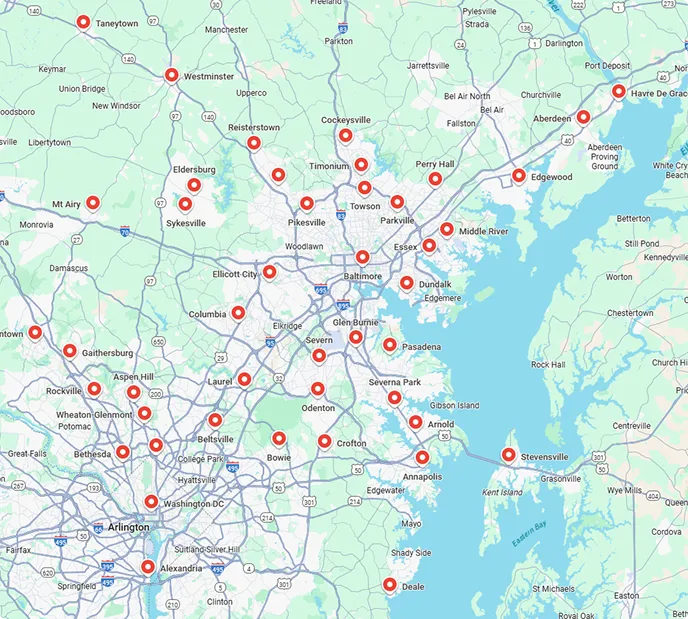
Service areas