



Furnace Repair in Essex, MD
Furnace repair in Essex, MD, is crucial for homes and businesses dealing with Maryland winters, coastal humidity, and older infrastructure. Whether you have a gas, oil, or electric furnace, timely diagnostics and professional repairs from Tario HVAC restore comfort, protect property, and reduce safety risks like carbon monoxide exposure. We'll cover common furnace failure causes in Essex-area systems, on-site troubleshooting, typical repair processes and timelines, emergency support considerations, technician qualifications, warranty and safety checks, and what to have ready when scheduling service.
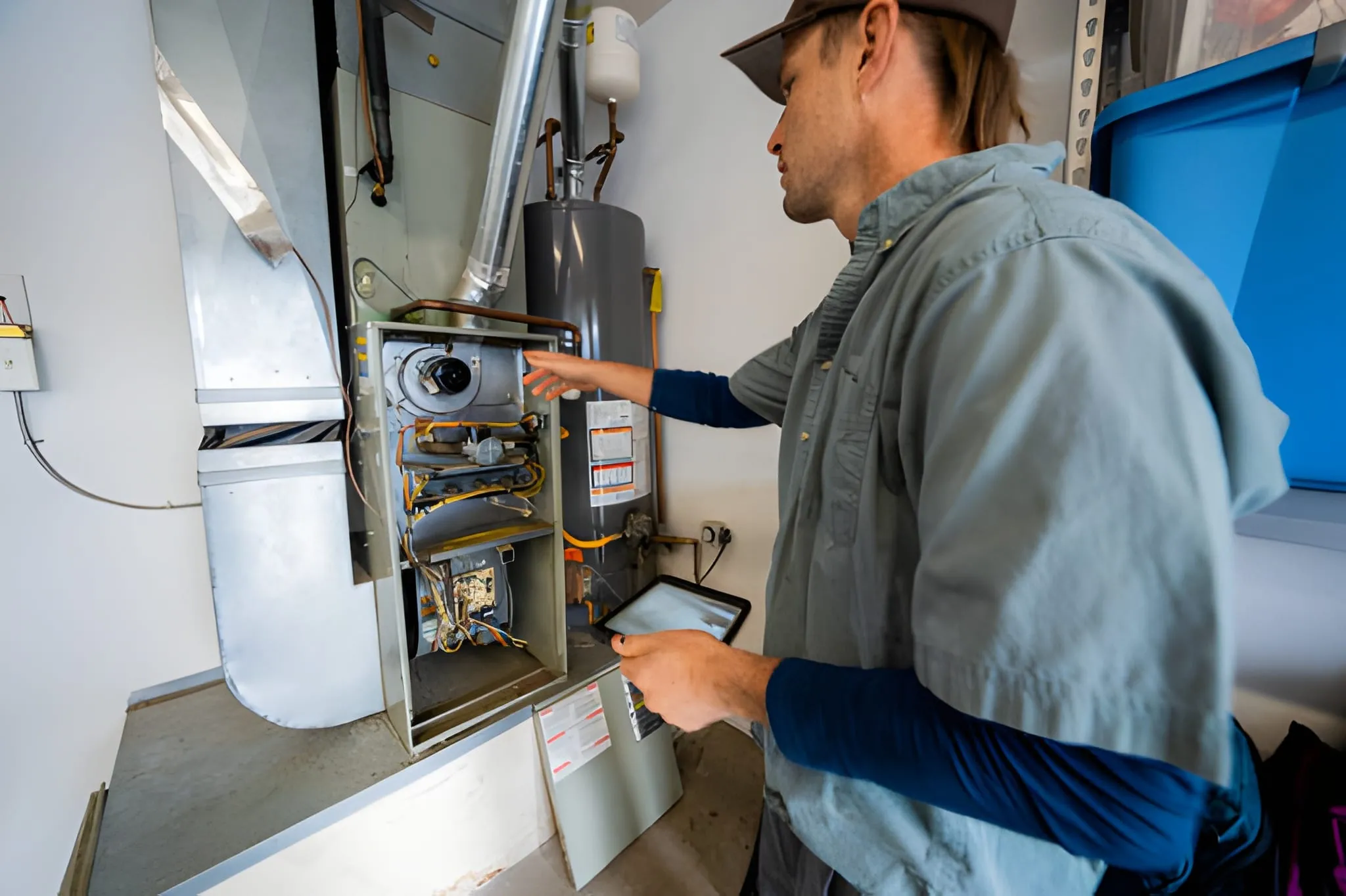
Furnace Repair in Essex, MD
Furnace repair in Essex, MD addresses the critical need for reliable heating in homes and businesses facing Maryland winters, coastal humidity and older infrastructure. Whether you have a gas, oil, or electric furnace, timely diagnostics and professional repairs restore comfort, protect property, and reduce safety risks like carbon monoxide exposure.
Why furnace repair matters in Essex, MD
Essex homes experience humid summers and chilly winters with occasional extended cold snaps, which put seasonal stress on heating systems. Salt air from the nearby Chesapeake Bay can accelerate corrosion on outdoor venting and exhaust components for coastal or riverside properties. Older housing stock in the region often contains legacy heating systems that need more frequent attention. Prompt repairs improve reliability during peak demand, prevent secondary damage, and ensure safe combustion and venting.
Common furnace problems in Essex - what we see most
- Clogged air filters and restricted airflow causing short cycling and reduced heat output
- Ignition and pilot control failures (intermittent ignition, hot surface igniter faults)
- Blower motor or capacitor failure producing weak airflow or noisy operation
- Thermostat malfunctions or wiring issues leading to incorrect cycling
- Gas valve or burner problems causing incomplete combustion or failure to start
- Cracked heat exchanger or venting issues creating potential carbon monoxide hazards
- Control board and sensor failures causing error codes or intermittent shutdowns
- Fuel delivery problems in oil-fired systems (clogged lines, nozzle wear)
On-site diagnostic and troubleshooting process
- Safety assessment: immediate visual check for gas smell, flame color, CO alarms, and flame rollout. If unsafe conditions exist, power and fuel sources are isolated before further work.
- System inspection: exterior and interior inspection of burners, heat exchanger, venting, condensate lines (for high-efficiency units), filters and access panels.
- Electrical and control checks: verify power supply, fuses, breakers, thermostat communication, and control board diagnostics.
- Combustion analysis and drafting: measure flame quality, CO levels, and flue draft when needed to confirm safe combustion and proper venting.
- Component testing: blower motors, capacitors, gas valves, igniters, and safety switches are tested to determine functionality and failure mode.
- Report and options: a clear explanation of recommended repairs, safety concerns, and time expectations for parts and labor.
A complete diagnostic visit typically takes 30 to 90 minutes, depending on system complexity and the need for combustion testing.
Typical repairs and parts replacement
- Air filter replacement and duct/vent cleaning to restore airflow
- Igniter or pilot assembly replacement for ignition problems
- Blower motor, bearings, belts or capacitor replacement to restore airflow and eliminate noise
- Gas valve, burner, or control board replacement for combustion and control issues
- Heat exchanger repair or replacement when cracks or corrosion compromise safety (requires careful inspection and combustion testing)
- Flame sensor, limit switch, and thermostat replacement to restore reliable cycling
Minor repairs (filters, thermostats, igniters) are often completed during the initial visit if replacement parts are on hand. More complex repairs requiring special-order parts or heat exchanger replacement may require additional visits and coordination.
Expected timelines and cost factors
- Diagnostic evaluation: typically completed in a single visit.
- Minor repairs: often same-day resolution when parts are available.
- Moderate repairs: may require ordering parts and return visits within a few days.
- Major repairs or component replacement: may take multiple days depending on part availability and scheduling.
Repair complexity, parts availability, system age, and whether additional safety work is required influence timeframes. Costs vary accordingly; customers are provided a clear estimate of needed work and potential alternatives after the diagnostic phase.
Emergency and after-hours considerations
Emergency conditions that merit immediate attention include complete loss of heat during severe cold, the smell of natural gas or oil, visible soot or flame rollout, and activation of carbon monoxide alarms. Emergency response protocols prioritize safety: isolating fuel sources, ventilating spaces if needed, and performing temporary measures to secure the property until permanent repairs can be completed. After-hours and weekend responses are available in many service arrangements to address urgent safety failures that put occupants at risk.
Technician qualifications and standards
Qualified furnace technicians are certified and trained in residential and commercial heating systems. Relevant credentials include industry-recognized certifications (such as NAT E for technicians), gas appliance licensing where required by local jurisdictions, manufacturer factory training for specific equipment, and EPA-related certifications when applicable. Technicians follow safety protocols, carry diagnostic tools for combustion analysis, and document findings and repairs. Background checks, insurance and bonding are standard expectations for professionals working in occupied homes and commercial properties.
Warranty, safety checks, and documentation
Repair work commonly includes labor warranty terms and honors manufacturer warranties on replacement parts. After repair, a safety and performance check is performed, which may include:
- Visual inspection of venting, flue and combustion components
- Combustion analysis and CO testing where applicable
- Verification of thermostat accuracy and system cycling
- Documentation of replaced parts and inspection findings
Customers receive a written summary of work performed, safety test results, and recommendations for future maintenance.
Preparing to schedule furnace repair in Essex
When scheduling service, have the following information available to streamline the diagnostic visit:
- System type (gas, oil, electric) and fuel source
- Furnace make, model and approximate age if known
- Description of symptoms (no heat, intermittent operation, noises, smells) and when issue began
- Presence of carbon monoxide alarm activation or gas smell
- Accessibility details (basement, utility closet, rooftop unit, commercial mechanical room)
- Any recent repairs or maintenance history
Providing clear symptom descriptions helps technicians bring appropriate parts and tools and speeds diagnosis.
Preventive maintenance and long-term benefits
Annual tune-ups before the heating season reduce emergency calls, improve efficiency, extend equipment life, and catch safety issues early. Simple homeowner maintenance like changing filters regularly, keeping vents clear, and protecting outdoor venting from debris helps reduce wear. For Essex properties near the water, checking venting and exterior components for corrosion should be part of the inspection. Installing and maintaining carbon monoxide detectors and smoke alarms remains critical for occupant safety.
FAQs
Q: How long does a furnace diagnostic visit usually take?
A: A typical diagnostic visit takes 30 to 90 minutes depending on system complexity and whether combustion testing is necessary.
Q: Can most furnace repairs be completed on the first visit?
A: Minor repairs and common part replacements can often be completed on the first visit if the correct parts are on hand; more complex repairs may require ordering parts and a return visit.
Q: What are urgent signs that require immediate repair?
A: Signs such as the smell of gas or fuel, carbon monoxide alarm activation, visible flame rollout, heavy soot, or complete loss of heat during freezing conditions warrant immediate attention.
Q: Do technicians check for carbon monoxide and combustion safety?
A: Yes. A comprehensive safety check typically includes combustion analysis, CO testing when needed, flue inspection, and verification of proper venting.
Q: How often should a furnace be serviced in Essex, MD?
A: Annual preventive maintenance before the heating season is recommended; properties exposed to coastal conditions or heavy use may benefit from more frequent inspections.
Q: What information should I have ready when scheduling repair?
A: Be prepared with your system type, make and model if known, a clear description of symptoms, any safety alarm activations, and access details for the unit.

Service areas
