

Furnace Repair in Towson, MD
When your furnace gives out in the middle of a cold Towson winter, it's far more than just an inconvenience—it's a serious safety and comfort concern for your entire household. Tario HVAC's furnace repair in Towson, MD, focuses on fast, accurate on-site diagnostics and repairs that don't just restore heat reliably, but also tackle the underlying causes so you aren't stuck with repeat breakdowns. We know older homes, rowhouses, and multi-unit buildings common in Towson often have aging systems that truly need focused attention before a cold snap turns into a full-blown emergency.
.jpeg)
Furnace Repair in Towson, MD
When your furnace fails in the middle of a cold Towson winter, it is more than an inconvenience — it is a safety and comfort issue for your household. Furnace Repair in Towson, MD focuses on fast, accurate on-site diagnostics and repairs that restore heat reliably while addressing underlying causes so you do not face repeat breakdowns. Older homes, rowhouses, and multiunit buildings common in Towson often have aging systems that need focused attention before a cold snap turns into an emergency.
Common furnace issues in Towson homes
- Ignition failure: Electronic igniters and pilot systems wear out or get dirty, causing no-heat conditions. Symptoms include repeated clicking or no spark.
- Blower motor problems: Burned-out motors, bad capacitors, or clogged bearings reduce airflow and can cause overheating or short cycling.
- Thermostat malfunctions: Bad wiring, calibration drift, or dead batteries will prevent the furnace from receiving correct signals and running efficiently.
- Heat exchanger faults: Cracks or corrosion are a serious safety concern because they can allow combustion gases into the home. Heat exchanger problems often require careful assessment and, in many cases, replacement.
- Other frequent issues: Dirty filters, restricted vents, faulty gas valves, and control board failures. In Towson, seasonal pollen and indoor humidity can accelerate filter clogging and component wear.
On-site diagnostics: what to expect
- Initial safety and visual inspection: The technician checks for obvious hazards, gas leaks, and combustion byproducts. Safety is prioritized before any diagnostic work.
- Operational testing: System startup is observed to note ignition behavior, blower operation, and thermostat response.
- Electrical and component testing: Voltage checks, capacitor testing, and motor inspections identify failing parts. Control boards and sensors are checked for fault codes.
- Combustion analysis and airflow checks: For gas furnaces, combustion efficiency and CO levels are measured. Airflow tests identify duct or blower restrictions.
- Documentation and estimate: After diagnosis, you receive a clear explanation of the problem, recommended repairs, expected outcomes, and a written warranty summary for parts and labor.
A typical diagnostic visit takes 30 to 90 minutes depending on system complexity. During peak cold weather, expect longer scheduling windows; emergency options are commonly available for no-heat or unsafe conditions.
Typical repair procedures explained
- Ignition system repair: Cleaning or replacing the igniter or pilot assembly, checking gas valve operation, and testing flame sensors. After replacement, ignition sequences are validated through multiple cycles.
- Blower motor and airflow fixes: Cleaning debris from the blower and cabinet, replacing worn belts, testing or replacing capacitors, and replacing motors when necessary. Rebalancing and airflow testing follow repairs.
- Thermostat and control issues: Recalibrating or replacing the thermostat, tightening or replacing control wiring, and updating control boards if obsolete or damaged.
- Heat exchanger service: If a crack or corrosion is suspected, a more detailed inspection is performed. Small, localized damage may be repairable in rare cases, but most unsafe heat exchangers are replaced to protect indoor air quality.
- Safety rechecks and system optimization: All repairs conclude with safety verifications, CO checks (when applicable), and efficiency tuning so the system runs safely and effectively.
After repairs, technicians run the system through multiple cycles to confirm consistent operation and will document the work performed.
Emergency repair options and estimated response times
- Common emergency triggers: No heating during freezing temperatures, signs of carbon monoxide, or visible gas leaks.
- Typical response expectations: Outside of peak season, standard appointments are often 24 to 48 hours out. During high demand or cold snaps, many providers offer same-day or expedited emergency service options. For no-heat or CO-related calls, expect priority triage and safety-first temporary measures until a permanent repair is made.
- What technicians do in emergencies: Secure the system, isolate unsafe components, provide interim heating recommendations, and outline the fastest route to restore full operation.
Warranty transparency and what to look for
- Parts and labor coverage: Warranties commonly vary by part type and manufacturer. Typical parts warranties can range from short-term coverage to several years for OEM components. Labor warranties are often shorter but should be provided in writing.
- Documentation: Always request a written warranty statement that specifies covered parts, labor terms, exclusions, and any required maintenance to maintain the warranty.
- Replacement part sourcing: OEM parts usually carry longer warranties; aftermarket options may be available but check warranty differences.
Practical prevention tips for Towson homeowners
- Schedule an annual tune-up before winter: A professional inspection and cleaning reduces the chance of a midseason breakdown.
- Change filters regularly: Replace disposable filters monthly during heavy use; high-efficiency filters extend equipment life and improve indoor air.
- Keep vents and returns clear: Blocked registers reduce airflow and stress the blower.
- Maintain thermostat settings and upgrades: A programmable or smart thermostat improves efficiency and reduces cycling issues.
- Check CO detectors and ventilation: Replace detectors every 5 to 7 years and test them monthly, especially after any furnace repair or combustion work.
- Address small issues quickly: Strange noises, uneven heating, or rising utility bills are early signals — addressing them early prevents larger failures.
Benefits of timely furnace repair
Prompt, professional furnace repair in Towson saves energy, lowers the risk of dangerous conditions, extends the service life of equipment, and maintains reliable comfort for your home. In a climate with cold winters and variable humidity, timely attention protects both household safety and heating efficiency.
Q: How quickly can I get a technician for furnace repair in Towson, MD?
A: Typical scheduling is 24 to 48 hours for standard appointments; during cold snaps or for no-heat emergencies many providers offer same-day or expedited response and priority triage.
Q: Will you need to replace the heat exchanger if it is cracked?
A: Small cracks in a heat exchanger are a serious safety concern because of combustion gas leakage. In many cases replacement is recommended rather than a repair; a qualified technician will inspect and advise based on safety and code considerations.
Q: What should I do before the technician arrives?
A: Clear access to the furnace and thermostat, note any recent symptoms, and ensure pets are secured. If you suspect a gas leak or carbon monoxide, evacuate and call emergency services first.
Q: Are warranties included with furnace repairs?
A: Warranties vary. Expect written terms for parts and labor; OEM parts usually have longer coverage. Verify warranty length and exclusions before repair work begins.
Q: How often should I have maintenance to avoid repairs?
A: An annual professional tune-up before winter is recommended, plus filter checks or changes monthly during heavy use to reduce wear and tear.
Q: Is it safe to use a portable heater until my furnace is fixed?
A: Portable heaters can provide temporary warmth but must be used with caution. Follow manufacturer safety instructions and avoid relying on them for extended periods; seek professional repair for longer outages.

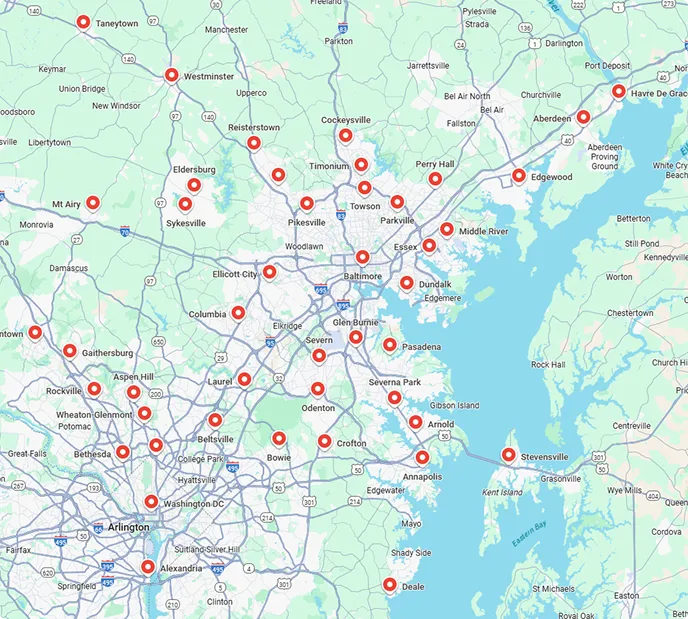
Service areas