

Furnace Repair in Pikesville, MD
A reliable furnace is essential for Pikesville homes during cold Maryland winters. Furnace Repair in Pikesville, MD, by Tario HVAC focuses on restoring safe, efficient heat quickly while addressing the specific needs of local houses—many of which are older construction with variable insulation, mixed gas and oil systems, and close proximity to suburban tree cover that can affect vents and chimneys. We explain common symptoms that indicate repair is needed, the diagnostic steps our technicians use, typical repairs performed, emergency response options, pricing and warranty practices, safety testing for carbon monoxide, and practical maintenance guidance.
Furnace Repair in Pikesville, MD
A reliable furnace is essential for Pikesville homes during cold Maryland winters. Furnace Repair in Pikesville, MD focuses on restoring safe, efficient heat quickly while addressing the specific needs of local houses—many of which are older construction with variable insulation, mixed gas and oil systems, and close proximity to suburban tree cover that can affect vents and chimneys.
Why timely furnace repair matters in Pikesville
- Winters in Pikesville frequently drop into the 20s and 30s (F), which stresses aging furnace components and increases the urgency of repairs.
- Delaying repairs can increase energy bills, cause uneven heating, or create safety risks such as carbon monoxide exposure or gas leaks.
- Local homes often have a mix of furnace types (natural gas, oil, electric), so diagnosis tuned to the fuel and installation type is important for a lasting fix.
Common furnace symptoms in Pikesville homes
Look for these signals that a furnace needs professional attention:
- No heat or intermittent heat: Furnace runs but does not warm the home consistently.
- Frequent cycling: Short on/off cycles that raise energy use and wear components.
- Unusual noises: Rattling, banging, or squealing from the burner, blower, or ducts.
- Weak airflow: Warm air is present but delivery is poor—often a blower or duct issue.
- Yellow pilot light or frequent pilot outages: Could indicate combustion or ventilation problems.
- Higher than normal energy bills: Loss of efficiency from clogged filters, failing motors, or leaking ducts.
- Odors of gas or persistent smell after startup: Immediate safety concern requiring shutdown and inspection.
- Symptoms of carbon monoxide exposure: Headaches, nausea, or flu-like symptoms when home heating is running.
Diagnostic process: how technicians pinpoint the problem
Technicians follow a systematic diagnostic routine to identify issues and recommend repairs:
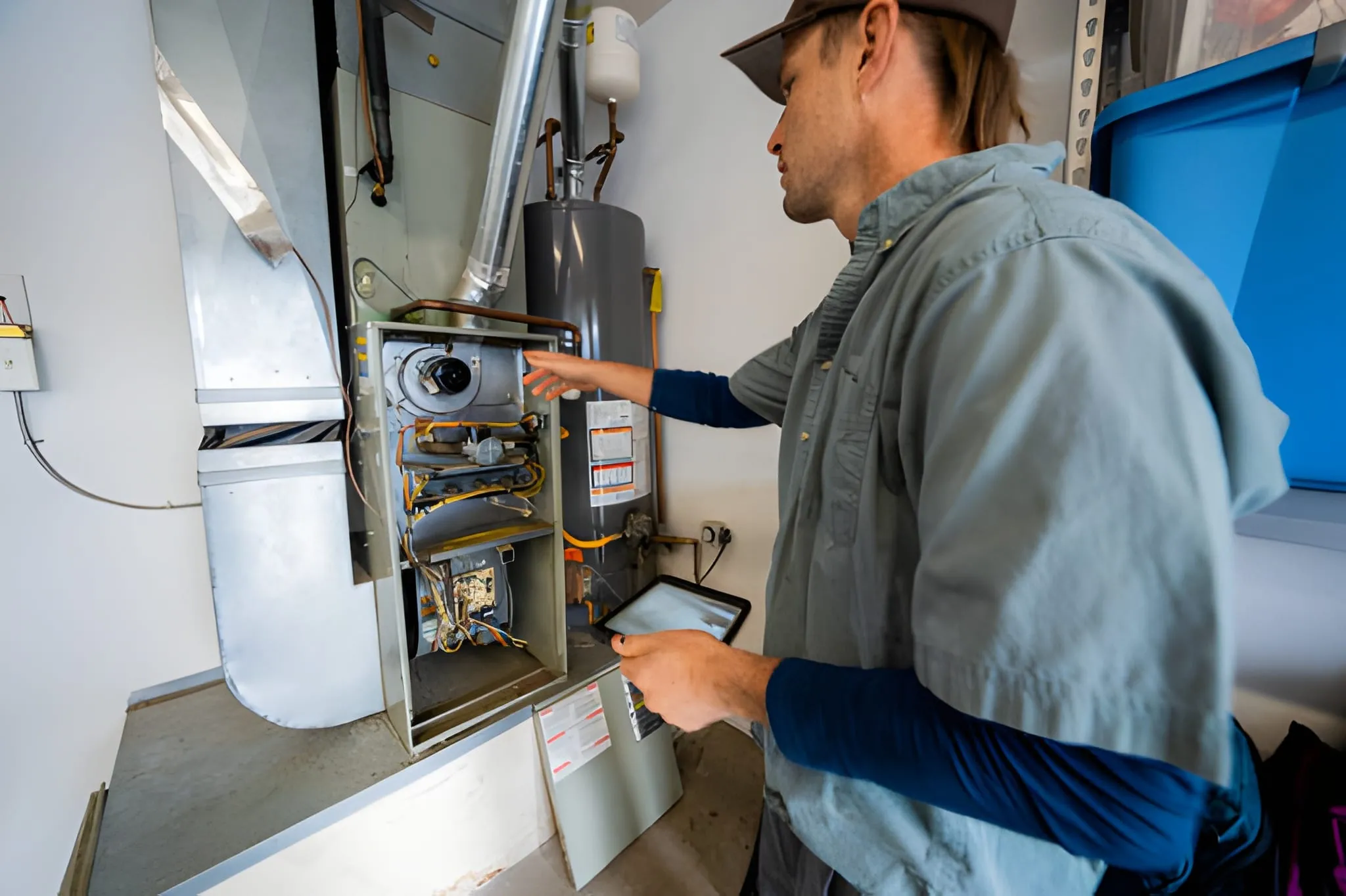
- System inspection: Visual check of the furnace cabinet, burners, heat exchanger, venting, and air filter condition.
- Operational testing: Start/stop cycles observed, thermostat interface checked for correct control signals, and airflow measured.
- Component testing: Ignition system, flame sensor, gas valve, blower motor, capacitors, and control board tested with industry tools.
- Safety checks: Heat exchanger examined for cracks, venting and flue pathways inspected, and combustion tested for proper operation.
- Electrical and gas lines: Connections and safety switches tested to ensure reliability.
- Carbon monoxide screening: Readings taken at the furnace and in occupied spaces when required.
This approach reduces guesswork, minimizes unnecessary parts replacement, and produces clear, actionable estimates.
Typical repairs performed in Pikesville
Common repairs technicians handle on-site include:
- Ignition system repairs and replacement: Hot surface ignitors, spark ignitors, and control module fixes.
- Blower motor and fan assembly: Replacing or servicing motors, belts, and bearings to restore airflow.
- Control board and electrical repairs: Fixing circuit boards, relays, and wiring faults that prevent proper sequencing.
- Gas valve and regulator service: Repairing or replacing valves that fail to open or modulate correctly.
- Pilot light and flame sensor service: Cleaning or replacing components that cause pilots to go out.
- Heat exchanger repair/replacement: When cracks or corrosion are found, addressing the issue safely and per code.
- Ductwork or venting corrections: Sealing, adjusting, or repairing ducts and flues that impede airflow or create safety hazards.
Emergency and after-hours response
Furnace failures that pose immediate safety risks—such as suspected gas leaks, loss of heat during subfreezing nights, or carbon monoxide alarms—require rapid response. Emergency and after-hours repair services are commonly available to address these situations, including diagnosis and temporary measures to secure the home until a permanent repair can be completed. Technicians arriving for an emergency visit follow the same safety-first diagnostic steps and prioritize actions that restore safe operation.
Transparent pricing and estimate process
A transparent estimate process typically includes:
- A clear breakdown of diagnosed issues and needed parts and labor.
- Separate line items for labor, parts, and diagnostic or service fees.
- Explanation of repair options (repair vs replacement) with the pros and cons for each based on system age, efficiency, and cost-to-benefit considerations.
- Written estimates provided before any non-emergency work begins so homeowners can make informed decisions.
This transparency helps homeowners in Pikesville compare options and understand expected outcomes.
Parts and labor warranty information
Standard warranty practices often include:
- Manufacturer warranties on replacement parts, which vary by component.
- A workmanship warranty covering labor for a specified period following the repair.
- Clear documentation of warranty terms provided with the estimate or invoice, specifying what is and is not covered and any requirements (such as regular maintenance) to keep warranties valid.
Ask for warranty details in writing so expectations are clear if a repaired component fails prematurely.
Carbon monoxide and safety testing
Carbon monoxide (CO) testing is a critical part of any furnace repair for gas- or oil-fired systems. Typical safety steps:
- Combustion analysis to ensure burners operate efficiently and safely.
- CO readings taken at the furnace exhaust and within living spaces when indicated.
- Heat exchanger inspection for cracks that can allow CO into the home.
- Verification of proper venting and chimney clearances, especially important in older Pikesville homes with masonry chimneys or nearby trees that can obstruct flues.
If unsafe CO levels are detected, technicians will take immediate steps to secure the property and recommend corrective actions.
Maintenance tips to reduce repairs
Proactive maintenance extends furnace life and reduces emergency calls:
- Replace or clean air filters regularly—typically every 1 to 3 months depending on usage and filter type.
- Schedule annual professional tune-ups before the heating season to catch wear and adjust settings.
- Keep vents and return registers unobstructed and inspect ductwork for loose connections.
- Ensure outdoor vents and combustion air intakes are clear of debris and snow in winter.
- Install and maintain carbon monoxide detectors on each floor and near sleeping areas.
Frequently asked questions (FAQs)
Q: How quickly can a technician diagnose a furnace problem?
A: Most onsite diagnostics are completed in 30 to 90 minutes depending on system complexity and whether specialized testing (combustion analysis or heat exchanger inspection) is required.
Q: Is it better to repair an old furnace or replace it?
A: Decisions depend on repair cost versus remaining useful life. If the furnace is over 15 years old, requires frequent repairs, or has a cracked heat exchanger, replacement is generally more cost-effective and efficient.
Q: Will a repair come with a warranty?
A: Yes, repairs typically include a labor warranty and any manufacturer warranty that applies to replacement parts. Written terms should accompany the estimate or invoice.
Q: How are emergency repairs handled at night or on weekends?
A: Emergency response protocols prioritize safety issues like gas leaks, CO detection, and loss of heat in extreme weather. Technicians will secure the system and recommend follow-up repairs if a full fix cannot be completed immediately.
Q: Do technicians test for carbon monoxide after a repair?
A: Yes, CO testing is standard after repairs on combustion appliances to confirm safe operation and proper venting.
This information equips Pikesville homeowners to understand furnace repair needs, evaluate options, and prioritize safety and efficiency when addressing heating system problems.

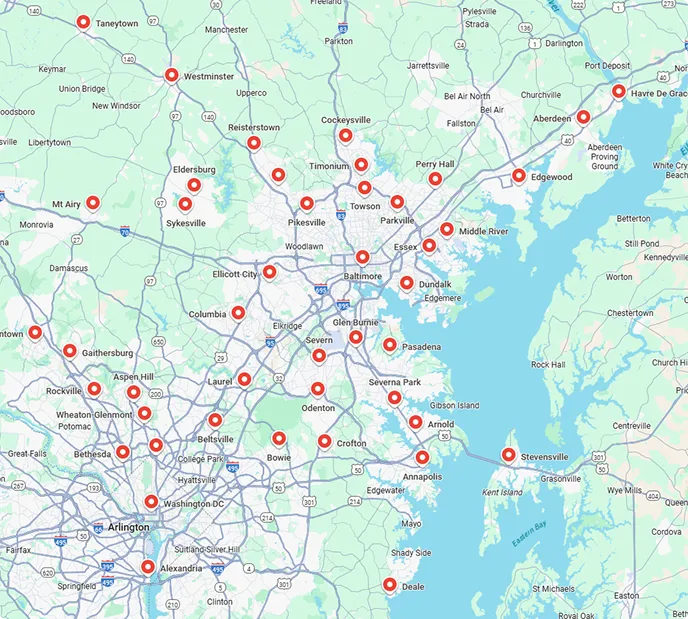
Service areas