

Furnace Maintenance in Pikesville, MD
A properly maintained furnace truly keeps your Pikesville, MD home warm, safe, and efficient throughout those cold months. Routine and seasonal furnace maintenance from Tario HVAC helps prevent unexpected breakdowns on the coldest days, extends equipment life, and ensures your system runs closer to its designed efficiency. We'll explain exactly what a thorough furnace tune-up includes, why annual care matters so much in Pikesville’s winter climate, how maintenance significantly reduces repair risk, and what you can expect from our maintenance plans or membership programs.
Furnace Maintenance in Pikesville, MD
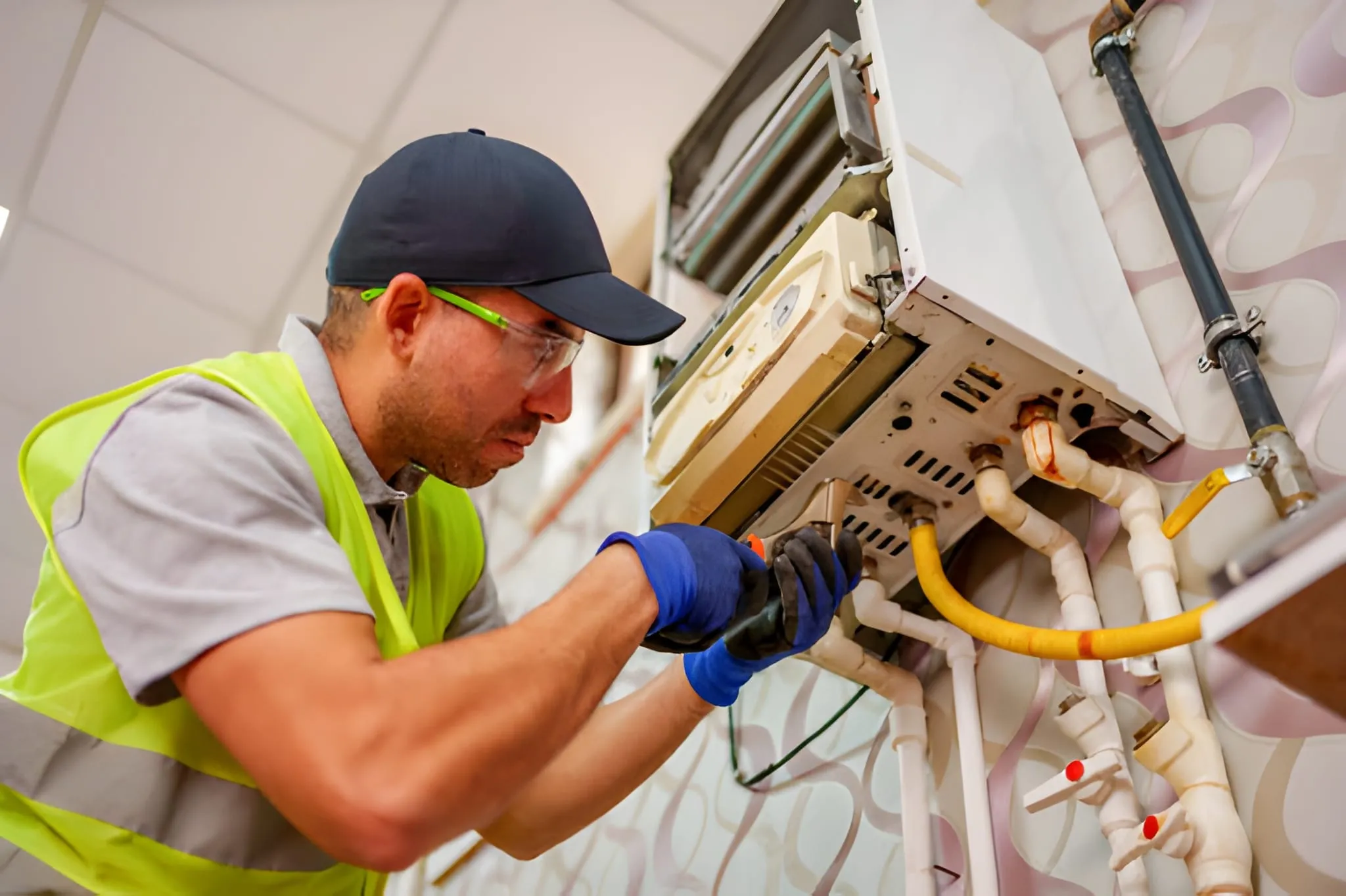
A properly maintained furnace keeps your Pikesville, MD home warm, safe, and efficient throughout the cold months. Routine and seasonal furnace maintenance prevents unexpected breakdowns on the coldest days, extends equipment life, and helps your system run closer to its designed efficiency.
Why regular furnace maintenance matters in Pikesville, MD
Pikesville experiences cold winters with occasional sleet and below-freezing temperatures. Furnaces run hard here from late fall through early spring. Local factors that increase the need for regular service include:
- Prolonged winter runtime causing more wear on motors and moving parts.
- Seasonal pollen and household dust that clog filters and burners in spring and fall.
- Temperature swings that stress thermostats and control components.
Consistent maintenance reduces the chance of mid-winter failures, improves indoor comfort, and helps maintain indoor air quality by keeping filters and combustion areas clean.
Common furnace problems in Pikesville homes
- Clogged or dirty air filters reducing airflow and causing overheating
- Ignition or pilot failures preventing the system from starting
- Soot or debris on burners decreasing combustion efficiency
- Worn blower motors or belts causing noisy operation or poor airflow
- Cracked or corroded heat exchangers creating safety concerns
- Miscalibrated thermostats leading to uneven heating
- Blocked vents or flue issues that impair venting and increase carbon monoxide risk
Many of these issues are preventable or detectable during a routine tune-up.
Standard seasonal furnace tune-up checklist
A comprehensive furnace maintenance visit typically includes these steps:
- Visual inspection of the furnace cabinet and surrounding area
- Shutdown and safe start/stop procedure
- Filter check and replacement or recommendation for filter type and schedule
- Burner cleaning to remove soot and improve combustion
- Heat exchanger inspection for cracks, corrosion, and integrity
- Ignition and pilot system check, testing electronic ignition or pilot light
- Combustion and safety tests, including flame sensor and limit switch checks
- Carbon monoxide and safety control testing to confirm safe operation
- Lubrication of motors and moving parts where applicable
- Blower motor and belt inspection; cleaning blower assembly
- Thermostat calibration to confirm accurate temperature control
- Venting and flue inspection to ensure clear exhaust paths
- System performance and efficiency measurements, with findings documented
A typical tune-up in a single-family home takes around 45 to 90 minutes depending on system age and condition.
How maintenance prevents costly repairs
Regular maintenance finds small issues before they become major failures:
- A blocked filter that is replaced prevents airflow restriction, overheating, and premature blower motor failure.
- Burner cleaning and combustion checks reduce stress on the ignition system and lower the risk of inefficient combustion that can cause soot buildup.
- Heat exchanger inspections detect early cracking or corrosion, preventing dangerous carbon monoxide leaks and expensive emergency replacements.
- Lubrication and belt adjustments keep motors running smoothly, avoiding motor burnout and costly unit replacement.
Well-maintained furnaces commonly reach 15 to 20+ years of service life, while neglected systems are more likely to require major repairs or earlier replacement.
Maintenance plans and membership programs
Many homeowners choose a maintenance plan to ensure annual care and predictable upkeep. Typical elements included in maintenance programs:
- Scheduled seasonal inspections and tune-ups (usually annual before heating season)
- Priority scheduling for service visits during peak months
- Discounted rates or waived diagnostic fees on repairs
- Adjustable plans for single- or multi-system homes
- Automated seasonal reminders and paperwork of service history for warranty compliance
Membership programs are designed to reduce the administrative hassle of remembering tune-ups and to protect home comfort during the busiest months.
Recommended frequency and timing
- Annual furnace maintenance is the standard recommendation for Pikesville homes. Schedule service in early fall before heavy heating use begins.
- Homes with older equipment, unusual indoor air quality issues, or heavy usage may benefit from semi-annual checks.
- Replace disposable filters monthly during heavy usage and check reusable filters regularly.
What homeowners can do between service visits
- Replace or clean filters regularly according to manufacturer guidelines
- Keep vents and returns free of furniture and debris
- Maintain clear access to the furnace and outdoor vents
- Monitor thermostat operation and change batteries if needed
- Watch for unusual noises, odors, higher energy bills, or uneven heating and arrange inspection if problems appear
Diagnostic and reporting practices
A professional maintenance visit should include clear documentation of findings, recommended repairs, and notes on system performance. This record helps track wear patterns, supports warranty requirements, and provides a service history for future owners.
Q: How often should I schedule furnace maintenance in Pikesville, MD?
A: Annual maintenance before the heating season is recommended; older or heavily used systems may benefit from semi-annual checks.
Q: How long does a furnace tune-up take?
A: Most tune-ups take 45 to 90 minutes depending on system condition and whether any additional diagnostics or minor repairs are required.
Q: Will maintenance improve my heating efficiency?
A: Yes. Cleaning burners, replacing filters, and calibrating controls typically improve efficiency by several percent and can reduce fuel use compared to an unmaintained system.
Q: What happens if a cracked heat exchanger is found?
A: A cracked heat exchanger is a serious safety concern. It is identified during inspection and generally requires repair or replacement of the heat exchanger or furnace to eliminate carbon monoxide risk.
Q: Are maintenance plans worth it?
A: Maintenance plans provide scheduled service, priority access during peak times, and consistency for warranty compliance. For homes in colder climates like Pikesville, the predictable protection often offsets inconvenience and helps prevent emergency visits.
Q: Can I do any of the tune-up tasks myself?
A: Homeowners can change filters and keep vents clear. Safety checks, combustion analysis, heat exchanger inspection, and electrical or gas adjustments should be done by qualified technicians.
Regular furnace maintenance in Pikesville, MD protects comfort, safety, and heating investment. Proper seasonal tune-ups combined with a sensible maintenance plan minimize downtime, extend equipment life, and help your home heat reliably through the winter months.

Service areas