

Furnace Repair in Arnold, MD
When your furnace fails in Arnold, MD, it's far more than just an inconvenience – it can rapidly turn into a serious safety and comfort issue during cold snaps. At Tario HVAC, our professional furnace repair service focuses on precisely diagnosing the root cause, swiftly restoring reliable heat, and meticulously verifying safe combustion and venting. For Arnold homes, factors like waterfront proximity, coastal humidity, and distinct seasonal temperature swings make timely and thorough repairs from Tario HVAC especially crucial to prevent corrosion, vent blockage, and performance loss.
.jpeg)
Furnace Repair in Arnold, MD
When your furnace fails in Arnold, MD, it’s more than an inconvenience — it can quickly become a safety and comfort problem during cold snaps. Professional furnace repair focuses on diagnosing the root cause, restoring reliable heat, and verifying safe combustion and venting. In Arnold homes, waterfront proximity, coastal humidity, and seasonal temperature swings make timely, thorough repairs especially important to prevent corrosion, vent blockage, and performance loss.
Common furnace problems in Arnold, MD homes
- No heat at all — unit doesn’t start or runs without producing warm air.
- Intermittent heat or short cycling — starts and stops frequently, reducing comfort and increasing wear.
- Weak or uneven heat — warm rooms and cold rooms indicating airflow or burner issues.
- Strange noises — rattling, banging, squealing, or booming often point to loose components, ignition delay, or airflow restriction.
- Pilot or ignition failures — standing pilot outages, faulty hot surface ignitors, or intermittent ignition control problems.
- Blower motor or belt issues — reduced airflow or loud humming.
- Soot, yellow flames, or unusual odors — signs of combustion inefficiency or burner problems.
- High energy bills — typically caused by restricted airflow, failing components, or poor combustion efficiency.
Local factors such as damp coastal air, bird or rodent nesting in vents, and seasonal temperature swings can accelerate component corrosion and venting problems, making some failures more common in Arnold than in drier inland areas.
Diagnostic procedure: what professional technicians check
A systematic diagnostic process identifies the underlying problem rather than applying a temporary fix:
- Initial information and visual inspection — unit age, symptoms, recent changes, visible corrosion or leaks.
- Thermostat and electrical checks — verify settings, voltage to the unit, fuses, and breakers.
- Gas supply and pressure verification — confirm gas valve operation and proper supply.
- Ignition and burner inspection — examine pilot assembly, hot surface ignitor, burners for cleanliness and proper flame pattern.
- Combustion analysis — measure CO, O2, and combustion efficiency with a combustion analyzer to verify safe operation.
- Airflow measurement — inspect filters, return ducts, blower wheel, and belt condition.
- Safety control testing — check limit switches, pressure switches, rollout sensors, and venting integrity.
- Documentation and recommended solutions — clear findings, options, and estimated timeline.
Technicians use calibrated tools and follow safety protocols to ensure repairs restore both performance and code-compliant safety.
On-site troubleshooting and common repair steps
- Reset and simple fixes — reset safety switches, check breakers, and replace dirty filters.
- Clean burners and flame sensors — remove soot and corrosion for reliable ignition.
- Ignitor or flame sensor replacement — common quick fixes when the unit won’t light.
- Blower motor service — clean motor and wheel, lubricate bearings, tighten or replace belts.
- Address vent or flue obstructions — remove nests, debris, or ice that block exhaust flow.
- Tighten electrical connections — reduce intermittent failures and arcing.
These on-site steps often restore function the same day. When components are damaged or heat exchangers are compromised, replacement or more extensive work may be required.
Parts replacement and repair guidance
Common replacement parts include ignitors, flame sensors, blower motors, control boards, gas valves, inducer motors, belts, and limit switches. The heat exchanger is a critical component — cracks typically necessitate replacement of the furnace or major repairs because of safety concerns.
Options when replacing parts:
- OEM vs aftermarket parts — OEM parts match manufacturer specifications; some aftermarket parts are cost-effective but vary in fit and longevity.
- Matching part age and configuration — ensure compatibility with newer control systems or sealed combustion appliances.
- Warranty coverage — many parts carry manufacturer warranties; labor warranties vary.
A professional will document part numbers and warranty terms and advise on long-term reliability when choosing replacements.
Safety checks: carbon monoxide and combustion inspection
Carbon monoxide (CO) risk is central to any furnace repair. A proper safety inspection includes:
- Combustion analysis to measure CO, CO2/O2, and combustion efficiency.
- Heat exchanger inspection for cracks or corrosion that can allow combustion gases into living spaces.
- Flue and vent integrity checks to confirm proper draft and clearance from obstructions or corrosion from coastal air.
- Verification of safety controls (limit switches, rollout sensors, pressure switches).
- Combustion air supply checks to ensure adequate oxygen for clean burning.
If combustion tests indicate unsafe levels or the heat exchanger is compromised, the unit must not be returned to service until corrected. CO alarms in the home should be functional and located per guidelines.
Expected repair timelines
- Diagnostic visit: 30 to 60 minutes for a complete evaluation.
- Minor repairs and part swaps: typically 1 to 3 hours when replacement parts are on-hand.
- Complex repairs or special-order parts: 1 to several days depending on part availability.
- Heat exchanger replacement or major overhauls: multiple days including permitting or coordination for large jobs.
Weather-related supply delays or the age of the furnace can extend timelines. Emergency situations during cold spells may require prioritized scheduling.
Warranty, parts and estimates
- Parts warranties vary by manufacturer and component; labor warranties are set by the service provider and typically cover repairs for a limited period.
- Documentation: professional repair estimates should itemize labor, parts, diagnostic fees, and warranty terms.
- Transparency: written estimates and explanations of recommended repairs help homeowners assess options and the expected service life after repair.
Review warranty terms carefully, including transferability and requirements (such as professional installation) to keep manufacturer warranties valid.
Pricing and how estimates are calculated
Estimates account for:
- Type and cost of replacement parts.
- Labor time and complexity (accessibility, required disassembly).
- Urgency (emergency or after-hours service often increases cost).
- Age and condition of the furnace — older systems can require additional troubleshooting.
- Safety testing and necessary compliance checks.
A clear estimate breaks down these elements so homeowners can compare options and understand long-term value versus temporary fixes.
Emergency vs routine repairs and what to do
Emergencies include persistent gas smell, CO alarm activation, visible flame rollout, or complete loss of heat during dangerously cold weather. Routine repairs cover inefficient operation, intermittent ignition problems, or unusual noises that don’t present immediate danger.
Immediate safety actions if you suspect gas or CO:
- Leave the home and move to fresh air.
- If you detect gas odor, avoid switching electrical devices or using phones inside the house.
- Have functioning CO and smoke alarms tested regularly.
Routine seasonal service before the heating season reduces emergency calls, improves efficiency, and extends equipment life.
Maintenance benefits and practical tips for Arnold homeowners
Regular preventive maintenance reduces breakdown risk, improves efficiency, and prolongs furnace life. Practical tips:
- Replace or clean filters every 1–3 months depending on use and indoor air quality.
- Keep vents and returns unobstructed and free from debris.
- Schedule annual combustion and safety inspections before the heating season.
- Protect vent termination points from nesting and ice buildup, especially in coastal and wooded areas around Arnold.
Consistent maintenance and timely repairs keep furnaces safer, more reliable, and more economical to operate during Maryland winters.
FAQs
Q: How quickly can a technician diagnose my furnace problem?
A: A complete diagnostic typically takes 30 to 60 minutes; more complex issues or inaccessible components can extend the time.
Q: Will a repair include a carbon monoxide check?
A: Yes. A proper furnace repair includes combustion testing and CO measurements to verify safe operation.
Q: How long will most repairs take?
A: Minor replacements often take 1 to 3 hours; special-order parts or major repairs may require 1 to several days.
Q: Are furnace parts covered by warranty?
A: Parts carry manufacturer warranties of varying lengths; labor warranties differ by provider. Always ask for written warranty details.
Q: What indicates I need immediate emergency attention?
A: Gas smell, a CO alarm sounding, visible flame irregularities, or complete loss of heat during extreme cold are emergencies.
Q: How can I reduce the chance of furnace breakdowns?
A: Regular filter changes, annual inspections before heating season, keeping vent terminations clear, and addressing strange noises or odors promptly.

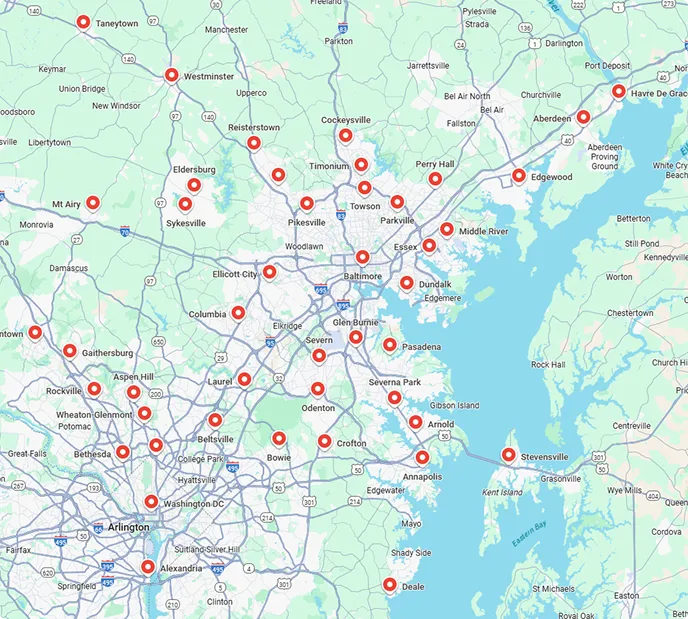
Service areas