



Furnace Maintenance in Arnold, MD
Keeping your furnace in reliable, efficient condition is essential for comfort and safety in Arnold, MD homes. With cold Chesapeake Bay area winters, seasonal humidity swings, and the potential for coastal salt air to accelerate corrosion, routine furnace maintenance from Tario HVAC protects your system, reduces breakdown risk during peak demand, and helps control energy costs. Tario HVAC outlines what a professional furnace maintenance plan includes, common local issues, our inspection and tune-up process, and recommended service frequency so you can make an informed decision about preventative care for your heating system.
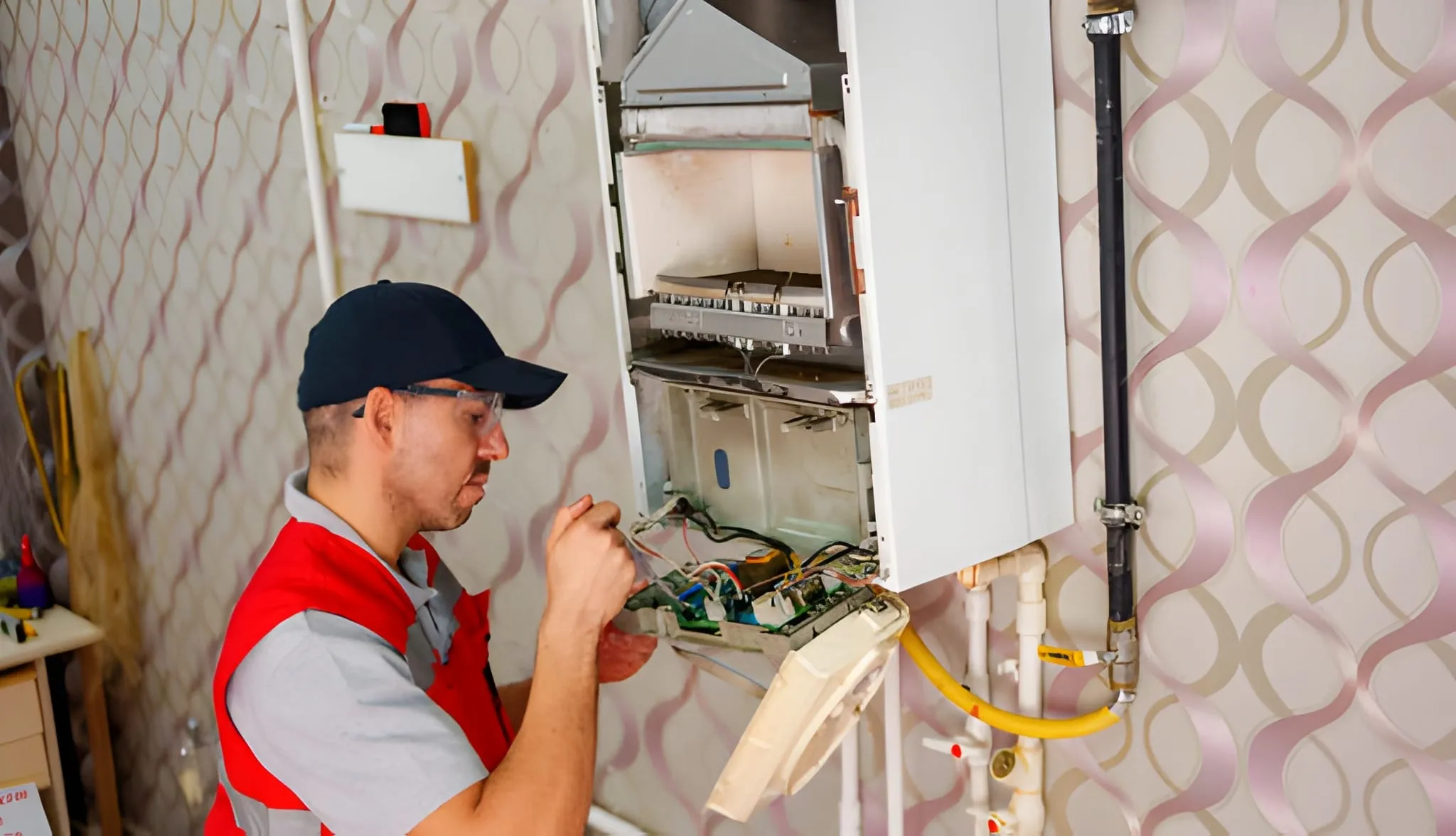
Furnace Maintenance in Arnold, MD
Keeping your furnace in reliable, efficient condition is essential for comfort and safety in Arnold, MD homes. With cold Chesapeake Bay area winters, seasonal humidity swings, and the potential for coastal salt air to accelerate corrosion, routine furnace maintenance protects your system, reduces breakdown risk during peak demand, and helps control energy costs.
Why routine furnace maintenance matters in Arnold, MD
- Improved efficiency: A properly tuned furnace uses less fuel to produce the same heat, which lowers monthly energy use during long heating months.
- Fewer unexpected breakdowns: Inspections catch small problems before they become emergency repairs on the coldest days.
- Longer equipment life: Regular cleaning and adjustments reduce wear on components, extending the useful life of your furnace.
- Safety assurance: Safety checks reduce the risk of carbon monoxide exposure, gas leaks, and flue blockages.
- Consistent comfort: Calibrated thermostats and clean burners deliver steadier temperatures throughout the home.
Common furnace issues in Arnold, MD homes
- Dirty or clogged filters causing low airflow and strain on the blower
- Soot, debris, or corrosion on burners and ignition systems that reduce efficiency
- Malfunctioning thermostats or incorrect calibration leading to temperature swings
- Cracked heat exchangers, worn belts, or failing motors from age and heavy seasonal use
- Venting and flue problems influenced by coastal moisture or debris buildup
- Short cycling from clogged filters, incorrect airflow, or improper thermostat settings
What a seasonal tune-up includes
A comprehensive furnace maintenance visit typically follows a consistent checklist to ensure performance and safety. Key tasks usually performed during a tune-up:
- Filter inspection and replacement or recommendation for the correct MERV rating based on home needs
- Burner and ignition cleaning to remove soot and deposits that inhibit combustion
- Thermostat calibration and control system checks to confirm accurate temperature management
- Combustion and ventilation inspection, including flue and vent integrity, to ensure proper exhaust and draft
- Safety inspections, including carbon monoxide testing and verification of safety interlocks and switches
- Blower assembly check, lubrication of moving parts where applicable, and belt inspection
- Electrical and connection checks for loose wiring, corrosion, or wear
- System performance measurements, including temperature rise across the heat exchanger and operating pressures where applicable
- Written service notes documenting condition, recommendations, and any observed concerns
Diagnostic approach and what technicians look for
A technician begins with a visual inspection, then runs the system to observe operation under load. They look for signs of inefficient combustion, unusual sounds or vibration, abnormal operating cycles, and evidence of moisture-related corrosion common in coastal Maryland. Diagnostics focus on root causes rather than temporary fixes. For example, if airflow is low, the tech will trace the issue from the filter to the blower and ductwork rather than just replacing the filter without confirmation.
Repairs and corrective solutions explained simply
When maintenance reveals issues, typical solutions fall into clear categories:
- Cleaning and adjustment: Removing debris from burners and adjusting airflow or fuel settings restores operating efficiency.
- Component replacement: Worn items like filters, belts, or ignition components are replaced to restore reliability.
- Safety repairs: Any signs of flue damage or heat exchanger cracks lead to focused safety work to eliminate carbon monoxide risk.
- System optimization: Thermostat recalibration, duct sealing recommendations, or airflow balancing to improve comfort and reduce run times.
All repair advice during a maintenance visit centers on safety, efficiency, and practical impact on future operating costs.
Recommended service frequency
- Annual furnace tune-up: Recommended for most homes, ideally scheduled in late summer or early fall before the heating season begins. This timing ensures the system is ready for colder weather.
- Biannual inspections: Consider twice-yearly visits if your home has an older furnace (over 15 years), heavy use, pets, or documented air quality issues.
- Filter checks: Inspect or change filters every 1 to 3 months depending on filter type, household occupants, and indoor air quality needs. More frequent changes are common in homes with pets or respiratory concerns.
- After unusual events: Schedule an inspection after significant power outages, flooding, or if you notice odors, noises, or inconsistent heating.
What a maintenance agreement typically includes
A furnace maintenance agreement provides predictable, documented care for ongoing reliability. Typical agreement features:
- Scheduled annual or seasonal visits with a consistent checklist so each tune-up is complete and traceable
- Service history documentation that helps with warranty claims and long term equipment tracking
- Reminders for recommended visits and filter changes to maintain consistent upkeep
- Detailed inspection reports that identify prioritized repairs and explain safety concerns in plain language
- Flexible filter replacement options tailored to your home and health needs
These elements make it easier to manage maintenance and ensure your system receives timely attention.
How to schedule preventative visits and what to expect
Plan preventive maintenance before the heating season, ideally in late summer or early fall. Expect the visit to take 60 to 90 minutes for most residential furnaces. A professional technician will provide a written summary of findings, recommend any repairs, and explain the impact on safety and efficiency in clear terms. For homes in Arnold, factor in higher demand during seasonal transitions and schedule early to secure a convenient appointment window.
Final considerations and routine homeowner tips
- Replace filters regularly and use the right type for your furnace and indoor air quality goals.
- Keep the area around the furnace clear and check for signs of corrosion or moisture.
- Monitor carbon monoxide detectors and replace batteries annually.
- Maintain records of inspections and repairs to track the system over time and support warranty needs.
Consistent furnace maintenance in Arnold, MD protects your investment, enhances household safety, and keeps your home comfortable through Maryland winters. Regular tune-ups reduce surprises and help your system operate efficiently for years.
Q: How often should I have my furnace inspected in Arnold, MD?
A: Annual inspections are recommended for most homes, scheduled in late summer or early fall before heating season. Older systems or homes with heavy use may benefit from biannual visits.
Q: Does maintenance really save money?
A: Yes. Routine cleaning and adjustments improve efficiency, reduce fuel use, and prevent costly emergency repairs, which lowers operating costs over the life of the furnace.
Q: What safety checks are performed during a tune-up?
A: Typical safety checks include carbon monoxide testing, inspection of the heat exchanger and flue, verification of safety switches, and checks for gas leaks or improper venting.
Q: How long does a maintenance visit take?
A: Most residential furnace tune-ups take about 60 to 90 minutes depending on system age and any issues found during inspection.
Q: Are filter replacements included in maintenance plans?
A: Many maintenance agreements include filter inspection and basic replacement or provide options for scheduled filter service tailored to your home and needs.

Service areas
