

Heat Pump Service in Washington, DC
For comprehensive heat pump service in Washington, DC, Tario HVAC is your trusted partner, expertly covering repair, installation, maintenance, and emergency support for both residential and commercial properties. We make sure our clients understand common DC-specific issues, our rigorous diagnostic standards, and our transparent, step-by-step service process—from your initial call through completion, testing, and documentation. Tario HVAC helps you weigh repair versus replacement decisions, emphasizing our maintenance plans designed to extend your system's life. We also clearly explain warranties, financing, and the significant benefits of timely service, all meticulously tailored to Washington, DC's unique local climate, building constraints, and current energy goals.
Heat Pump Service in Washington, DC
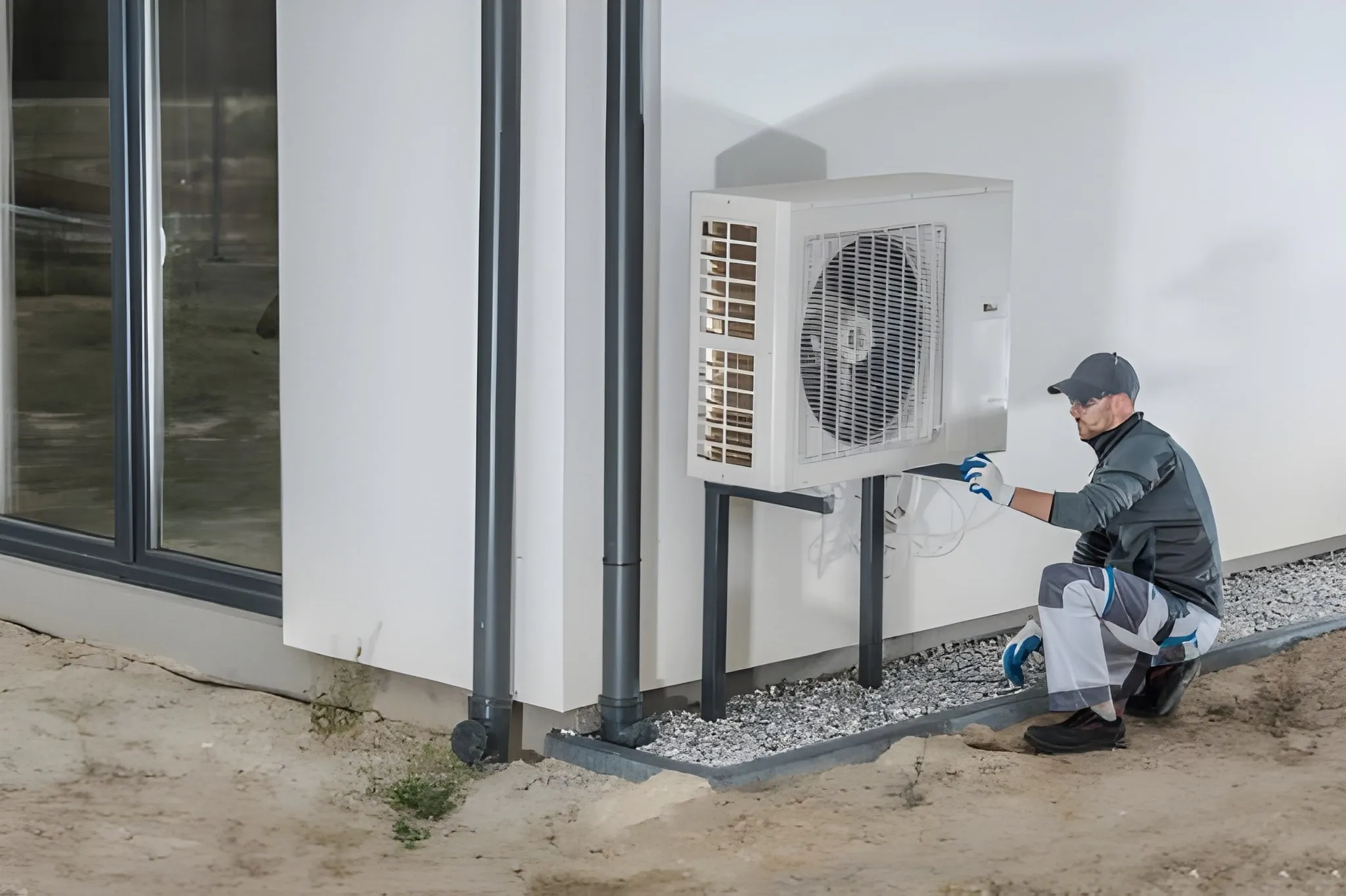
Heat pumps are an efficient, year-round solution for heating and cooling Washington, DC homes and businesses. Whether you need heat pump repair, installation, replacement, routine maintenance, or emergency support, professional heat pump service in Washington, DC ensures reliable comfort, lower energy bills, and systems that meet local building and efficiency requirements.
Why proper heat pump service matters in Washington, DC
Washington, DC experiences hot, humid summers and cold, damp winters. That seasonal swing puts unique demands on heat pumps: cooling capacity must handle high humidity, while heating performance must remain reliable during chilly spells. Many DC properties are rowhouses, older buildings, or multi-family units with limited outdoor space and strict noise or historic-preservation constraints. Proper service ensures your system is sized and configured for local climate conditions, space limitations, and efficiency goals.
Common heat pump issues in Washington, DC
Understanding typical problems helps you decide whether repair, maintenance, or replacement is right for your property:
- Insufficient heating or cooling - often caused by refrigerant leaks, compressor failure, or undersized equipment.
- Short cycling - frequent on/off cycles due to refrigerant issues, oversized systems, or thermostat problems.
- Frozen outdoor coils or defrost failures - more common in cold, wet winter conditions.
- Noisy operation or vibration - loose components, failing compressors, or poor mounting in urban installations.
- Loss of airflow - blocked ducts, dirty filters, or failing fans reduce performance.
- Electrical faults - tripped breakers, bad contactors, or capacitor failures.
- Inefficient operation and high energy bills - aging systems, lack of maintenance, or outdated controls.
Types of heat pump services offered
- Heat pump repair - diagnostics and targeted repairs for mechanical, electrical, and refrigerant issues across major makes and models.
- Heat pump installation - new system selection and professional installation for air-source, cold-climate, ductless mini-split, and packaged systems.
- Heat pump replacement - removal of old units, proper sizing and load calculations, and installation of high-efficiency replacements.
- Preventive maintenance - seasonal tune-ups, cleaning, performance checks, and adjustable maintenance plans to extend lifespan and maintain efficiency.
- Emergency support - rapid-response troubleshooting for failures that affect comfort or business operations.
The typical service process: from scheduling to completion
- Initial contact and intake - You provide system details: make, model, symptoms, and property type. For replacements, a site evaluation is scheduled.
- On-site diagnostic - A certified technician inspects indoor and outdoor units, checks thermostat settings, measures refrigerant pressures, tests electrical components, and evaluates airflow.
- Transparent assessment - The technician explains findings in plain language, outlines repair options or the need for replacement, and reviews estimated timelines and warranty coverage.
- Approval and scheduling - Once an option is agreed upon, work is scheduled with consideration for permits, access constraints, and any building requirements common in DC neighborhoods.
- Execution - Repairs are completed with OEM parts where possible. Installations include proper mounting, line set routing, condensate management, electrical connections, and system commissioning.
- Testing and walkthrough - After service, the system is tested across operating modes, and the technician demonstrates controls and preventive steps to maintain performance.
- Follow-up and documentation - Service reports, warranty details, and maintenance recommendations are provided to help you track system history.
Diagnostic standards and expertise
Technicians servicing heat pumps in Washington, DC follow a methodical diagnostic approach:
- Confirm thermostat calibration and control logic
- Inspect electrical integrity and safety devices
- Measure refrigerant charge and look for leaks
- Test compressor and fan operation
- Evaluate air distribution, filters, and ducts
- Check defrost cycles and sensors for winter performance
Technicians experienced with major brands and both ducted and ductless systems can service legacy units as well as modern inverter-driven heat pumps optimized for cold-climate performance.
Repair versus replacement: what to consider
- Age of system: most air-source heat pumps last 10 to 15 years. Performance degradation, repeated breakdowns, and rising repair costs often indicate replacement is more economical.
- Efficiency gains: new high-efficiency models with variable-speed compressors and modern refrigerants can cut energy use and improve comfort.
- Repair cost versus value: evaluate the immediate repair cost relative to expected remaining life and potential energy savings from a new system.
- Property constraints: in DC rowhouses or historic districts, ductless mini-splits or compact outdoor units may be the best replacement option to avoid major ductwork changes and reduce external impacts.
Maintenance plans and what they include
Routine maintenance preserves efficiency and prevents emergency breakdowns. Typical maintenance tasks include:
- Cleaning or replacing air filters
- Cleaning indoor coils and outdoor condensing coils
- Checking refrigerant levels and system pressures
- Inspecting electrical connections and capacitors
- Lubricating motors and checking belt integrity
- Verifying defrost operation and reversing valve function
- Calibrating thermostats and controlsA seasonal maintenance plan often includes priority scheduling, multi-point inspections, and documented service records to support warranty claims and system performance tracking.
Emergency support and commercial considerations
Emergency heat pump failures can disrupt operations for businesses and critical systems in multifamily buildings. Commercial service typically includes:
- Rapid response diagnostics for rooftop or packaged units
- Temporary solutions to restore operation while parts are sourced
- Coordination with building management and adherence to local codes and permits
- Scalable maintenance agreements tailored to multiple units and large facilities
Warranties, guarantees, and financing options
Professional heat pump service in Washington, DC commonly includes parts and labor warranties for repairs, and manufacturer warranties for new equipment. Service providers may also offer satisfaction guarantees and documented workmanship assurances. For larger replacements, flexible financing and payment plans can help manage upfront costs while capturing long-term energy savings.
Benefits of timely heat pump service in Washington, DC
- Improved comfort and consistent temperature control during humid summers and cold winters
- Lower monthly energy bills through efficient operation and proper refrigerant charge
- Longer system life and reduced risk of sudden failures
- Compliance with local building and efficiency requirements
- Better indoor air quality when filters and coils are maintained
Proper, local heat pump service protects comfort and investment in Washington, DC properties. Regular maintenance, informed repair decisions, and professionally executed installations tailored to DC climate and building constraints ensure reliable, efficient operation year-round.

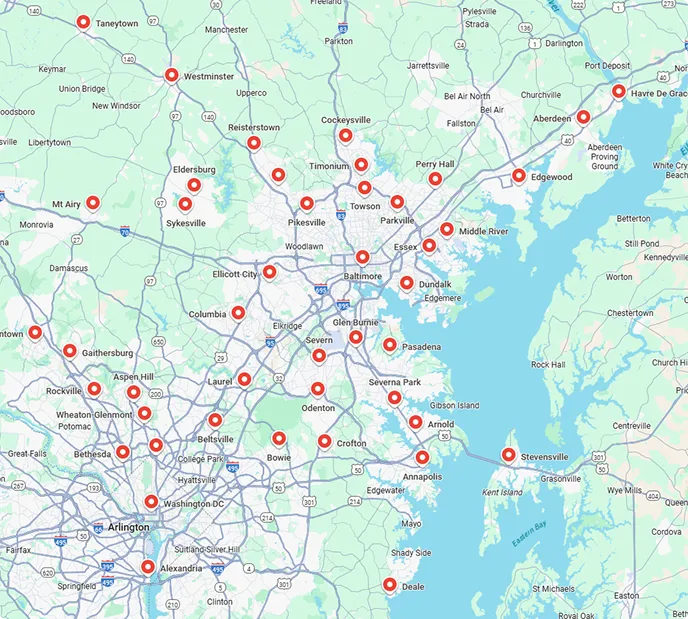
Service areas