

Heat Pump Installation in Washington, DC
For homeowners in Washington, DC, Tario HVAC provides an end-to-end heat pump installation process, covering everything from initial site assessment and load calculations to expert system selection, obtaining permits, and final commissioning. We describe common heat pump types, detailed installation steps, and ensure full code compliance, paying special attention to unique challenges like space constraints and historic properties. Our team explains thorough commissioning procedures, provides clear warranty documentation, and offers ongoing maintenance to preserve your system's efficiency, comfort, and reliability. We're dedicated to helping you meet local electrification goals and maximize long-term energy savings. With Tario HVAC, we always emphasize proper sizing, professional craftsmanship, and safeguarding your warranties.
.webp)
Heat Pump Installation in Washington, DC
Installing a heat pump in Washington, DC gives homeowners and small commercial properties a highly efficient, year-round heating and cooling solution tailored to the region’s hot, humid summers and cold winters. Whether you live in a rowhouse, townhouse, or a detached home with limited outdoor space, a properly designed and installed heat pump can reduce energy bills, improve indoor comfort, and support local electrification and clean-energy goals. This page explains the end-to-end heat pump installation process in Washington, DC, what to expect at each step, permitting and code considerations, and the long-term maintenance that preserves performance and warranties.
Why a heat pump makes sense in Washington, DC
- DC’s climate: warm, humid summers and winters that are often above the severe cold thresholds where modern cold-climate heat pumps still perform efficiently. Heat pumps deliver both heating and cooling in one system, reducing the need for separate furnace and AC systems.
- Space constraints: ductless mini-splits and compact outdoor units are well-suited to rowhomes and properties with limited yard space.
- Local priorities: Washington, DC has strong energy-efficiency goals and programs; many homeowners can benefit from local incentives and rebates for electrification and efficient HVAC upgrades.
- Year-round comfort and quieter operation compared with older systems.
Common heat pump types and common issues in Washington, DC
- Air-source heat pumps: Most common for single-family homes; use an outdoor compressor and indoor air handler. Common issues include improper refrigerant charge, poor airflow from undersized ducts, and thermostat or control setup errors.
- Ducted heat pumps: Use existing ductwork; issues often stem from unsealed or undersized ducts in older homes and rowhouses.
- Ductless mini-splits: Ideal for older rowhomes, additions, and room-specific comfort. Frequent issues are incorrect placement of indoor units, underperforming insulation, and insufficient zone planning.
Site assessment and load calculations (what happens first)A professional installation begins with a comprehensive site assessment and manual load calculation specific to your Washington, DC home. This includes:
- Measuring square footage, ceiling heights, insulation levels, window types, and infiltration.
- Evaluating existing ductwork or identifying best locations for indoor and outdoor units (critical for rowhomes and historic houses).
- Assessing electric service capacity and determining whether panel upgrades are needed.
- Performing a Manual J load calculation to size the system correctly. Correct sizing prevents short cycling, comfort problems, and reduced efficiency.
Choosing the right system for your property
Selecting the right heat pump depends on your home layout, comfort goals, and budget:
- Air-source heat pump (ducted): Best when existing ducts are in good condition. Provides whole-home comfort with minimal visible indoor equipment.
- Ductless mini-split: Best for room-by-room control, additions, or homes with no ducts. Allows installation in historic or space-restricted properties without major renovations.
- Multi-zone systems: Combine ductless indoor heads or multiple duct runs to create flexible zoning for different floors or rooms.
- Factors considered include capacity, Seasonal Energy Efficiency Ratio (SEER), Heating Seasonal Performance Factor (HSPF), sound levels, and defrost performance in colder weather.
Professional installation steps (what to expect)A professional, code-compliant installation typically follows these stages:
- Pre-install planning: Confirm permits, finalize equipment selection, and schedule work to minimize disruption.
- Site preparation: Clear space for the outdoor unit, reinforce platforms if needed, and plan refrigerant line routes for limited-exterior-space properties.
- Mounting indoor and outdoor units: Place indoor air handlers/heads for optimal airflow and outdoor compressors in locations that meet clearance and noise considerations.
- Refrigerant line and electrical connections: Run linesets, condensate drains, and dedicated electrical circuits per code. Licensed technicians handle refrigerant to EPA standards.
- Ductwork modifications (if applicable): Repair, seal, or insulate ducts to reduce losses common in older DC homes.
- Controls and thermostat setup: Program and connect thermostats and smart controls for efficient scheduling and zoning.
Permits, inspections, and code compliance in Washington, DC Heat pump installations in DC require proper permits and adherence to local building codes and electrical requirements:
- Obtain mechanical and electrical permits through the District’s permitting authority. Permits ensure work meets safety and energy-code requirements.
- Installations must comply with the local amendments to the International Mechanical Code and the National Electrical Code as adopted by DC.
- Refrigerant handling requires certified technicians and documented leak testing.
- Inspections will verify equipment placement, electrical connections, combustional safety (if replacing fossil fuel systems), and energy-code compliance. Allow time in the project schedule for permit processing and inspections.
Commissioning and performance testing
Commissioning verifies the system is configured and performing as intended:
- Refrigerant charge checks and adjustments using superheat/subcooling measurements.
- Airflow measurements, ΔT (temperature split) checks, and balancing for ducted systems.
- Electrical testing to confirm current draw and safe operation.
- Verification of heating mode at lower outdoor temperatures and proper defrost cycles.
- Software and thermostat calibration, including Wi-Fi or smart controls if installed.
- A thorough commissioning report documents test results and establishes baseline performance for warranty purposes.
Warranty registration and documentation
After installation, equipment warranties and labor guarantees should be documented and registered with manufacturers per their requirements. Expect:
- Manufacturer warranty registration for compressors and major components.
- Documentation of installation work, permits, and commissioning test results to support claims if future issues arise.
- Clear records of refrigerant charge, model and serial numbers, and component installation dates.
Post-installation support and maintenance recommendations
Routine maintenance preserves efficiency, comfort, and warranty coverage. Typical recommendations include:
- Annual professional tune-up: clean coils, check refrigerant levels, test electrical components, and verify controls.
- Replace or clean filters every 1–3 months depending on use and indoor air quality.
- Keep outdoor unit clear of debris, snow, and vegetation; maintain proper clearance in tight DC lots.
- Monitor for unusual sounds, reduced heating/cooling capacity, or increased energy use—early diagnosis prevents larger repairs.
- Maintain records of maintenance visits and any service work for warranty support.
Why timely, professional installation matters A correctly sized and expertly installed heat pump delivers consistent comfort, longer equipment life, and measurable energy savings. In Washington, DC, where building types vary from historic rowhomes to new construction, experienced installers account for tight spaces, local code requirements, and seasonal performance needs. Proper permitting, commissioning, and ongoing maintenance protect your investment and help you take advantage of available efficiency incentives.

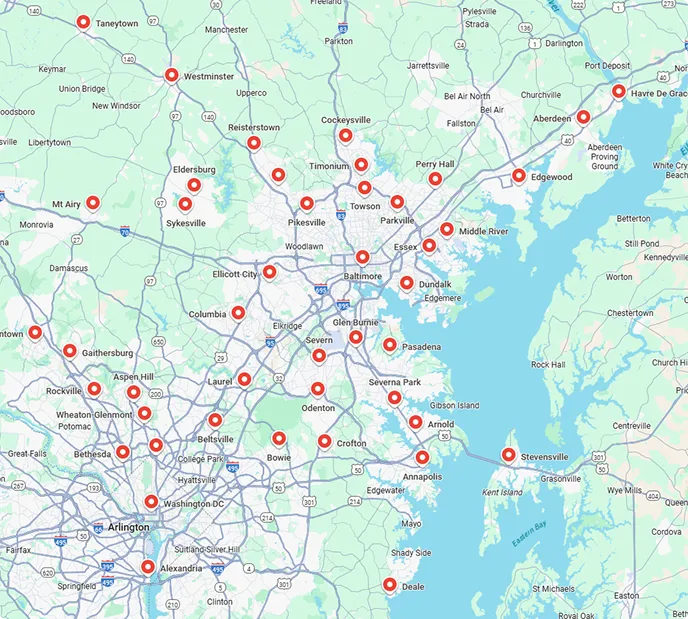
Service areas