

Heat Pump Repair in Washington, DC
Heat pump repair in Washington, DC delivers fast, expert diagnostics and reliable repairs to restore comfort and efficiency. Technicians identify noisy operation, poor heating or cooling, ice buildup, and high energy bills, then diagnose with system history, visual inspection, performance measurements, refrigerant checks, and electrical testing. Typical repairs include compressor or reversing valve work, refrigerant leak repair, electrical components, and duct or sensor adjustments. Timely decisions about repair versus replacement focus on age, repeat failures, and long-term energy savings.
.jpeg)
Heat Pump Repair in Washington, DC
Heat pumps are the primary heating and cooling choice for many Washington, DC homes because they deliver efficient year-round comfort and support transitioning away from fossil fuel heating. When a heat pump stops performing reliably — reduced comfort, rising energy bills, or strange noises — quick, knowledgeable repair is essential to restore efficiency and avoid costly damage.
Why DC homes need timely heat pump repair
Washington, DC’s hot, humid summers and cold, occasionally freezing winters put varied demands on heat pumps. High humidity and prolonged cooling seasons can lead to condenser strain and coil corrosion, while winter defrost cycles expose reversing valves and controls to extra wear. Many DC homes are older or have space constraints that rely on compact systems or ductless mini-splits — systems that benefit from fast, expert service to prevent comfort gaps and higher electric bills.
Common symptoms that indicate a problem
If you notice any of the following in your Washington, DC home, those are telltale signs a heat pump needs professional attention:
- Insufficient heating or cooling: System runs but air is lukewarm or not cold enough.
- Short cycling: System turns on and off frequently, increasing wear.
- Higher than normal energy bills: Reduced efficiency from leaks, compressor issues, or failed controls.
- Ice buildup on outdoor unit: Excessive frost or ice during cold weather beyond normal defrost.
- Unusual noises: Grinding, buzzing, clanking, or hissing from indoor or outdoor units.
- Continuous running: System runs constantly without reaching set temperature.
- Frequent defrost cycles: Reversing valve or sensor problems causing extra defrosting.
- Reduced airflow: Weak vents may indicate blower motor or duct issues in ducted systems.
Diagnostic procedures technicians use
A thorough diagnostic is the foundation of a reliable repair estimate. Typical diagnostic steps include:
- System history and symptom interview: Confirm when problems started, weather conditions, thermostat behavior, and recent service.
- Visual inspection: Check outdoor unit, coils, filters, ductwork (if applicable), and electrical components.
- Performance measurements: Measure temperature splits, suction and discharge pressures, and amp draws on motors and compressor.
- Refrigerant check: Look for signs of leaks, measure charge levels, and inspect access ports and fittings.
- Electrical testing: Test capacitors, relays, contactors, fuses, and control boards.
- Operational testing: Run system through heating and cooling cycles to reproduce faults, observe defrost operation, and evaluate reversing valve behavior.
Diagnostics in DC often include attention to humidity-related issues, outdoor coil corrosion, and proper defrost function during cold snaps.
Typical repairs and what they involve
- Compressor repairs or replacement
- Symptoms: Loud grinding, no cooling/heating, high amp draw.
- Notes: Replacing a compressor is major work; compatibility and refrigerant considerations matter.
- Reversing valve service or replacement
- Symptoms: No heat when in heating mode, frequent or failed defrost cycles.
- Notes: Reversing valve problems affect heat/cool switching and defrost timing.
- Refrigerant leak detection and repair
- Symptoms: Low charge, ice buildup, decreased efficiency.
- Notes: Repairs include locating and sealing leaks, recovering and recharging refrigerant to manufacturer specs.
- Electrical faults and controls
- Symptoms: Intermittent operation, non-start, tripped breakers.
- Notes: Replace capacitors, contactors, relays, or circuit protection devices; update wiring or control boards as needed.
- Fan and blower motor service
- Symptoms: Weak airflow, vibrating noises, overheating.
- Notes: Motor replacement, bearing lubrication, or blower wheel cleaning.
- Defrost control and sensors
- Symptoms: Excessive icing or failure to defrost.
- Notes: Replace sensors, defrost boards, or faulty thermostatic controls.
- Ductwork and refrigerant line repairs (where applicable)
- Symptoms: Uneven temperatures, reduced airflow.
- Notes: Seal ducts, repair line insulation, or fix fittings and valves.
Expected response times and emergency repair availability
- Standard repairs: Many technicians provide same-day or next-business-day service for diagnostic visits in Washington, DC, depending on scheduling and parts availability.
- Emergency repairs: Because DC residents can experience extreme heat or cold, emergency or after-hours repair options are commonly available for urgent failures that affect health or safety.
- Parts lead time: Common components (capacitors, contactors, refrigerant, thermostats, blower motors) are often stocked locally; larger items like compressors or specialized control boards may require ordering and additional scheduling.
Warranty and parts information
- Manufacturer warranties typically cover parts for a defined period; labor warranties vary by installer. Expect clarity on:
- Which parts are covered by manufacturer warranty.
- Whether labor or a service warranty is offered for repairs.
- Coverage terms for refrigerant and compressor replacements.
- For older systems, manufacturer parts may be discontinued; compatible aftermarket parts or refurbished components are alternatives that should be explained and documented.
Pricing and estimates
- Transparent estimates usually follow a diagnostic evaluation. Estimates outline:
- Labor hours and diagnostic fee (if applicable).
- Parts required and whether new or remanufactured components will be used.
- Any warranties provided on parts and labor.
- Because every home and system configuration differs — especially in Washington, DC’s mix of rowhouses, apartments, and single-family homes — flat-rate pricing rarely fits all situations; itemized estimates reduce surprises.
Repair vs replacement: clear guidance for DC homeowners
Repair is a smart choice when:
- The system is relatively new and repairs restore reliable operation.
- The repair cost is modest compared with the remaining useful life of the heat pump.
- A targeted part failure (capacitor, reversing valve, refrigerant leak) resolves inefficiency and protects system longevity.
Replacement is recommended when:
- The heat pump is older (typically 10-15 years) with multiple recent failures.
- The compressor or major components fail and replacement cost approaches the value of a new system.
- Energy bills remain high despite recent repairs, indicating fundamental inefficiency.
- You want a right-sized, energy-efficient system better suited for DC’s mixed climate and electrification goals, including options like cold-climate heat pumps and ductless mini-splits for historic or tight spaces.
Preventive maintenance and longer-term benefits
Regular maintenance extends life and reduces emergency repairs. Seasonal tune-ups should include cleaning coils, checking refrigerant charge, tightening electrical connections, testing defrost cycles, and measuring system performance. In Washington, DC, annual pre-summer and pre-winter checks help prevent humidity and cold-weather related failures.
Well-executed repairs restore comfort, improve efficiency, and reduce the risk of breakdowns during extreme weather. For DC homeowners who prioritize reliable climate control and lower operating costs, timely heat pump repair combined with planned maintenance is the most cost-effective path to long-term comfort.

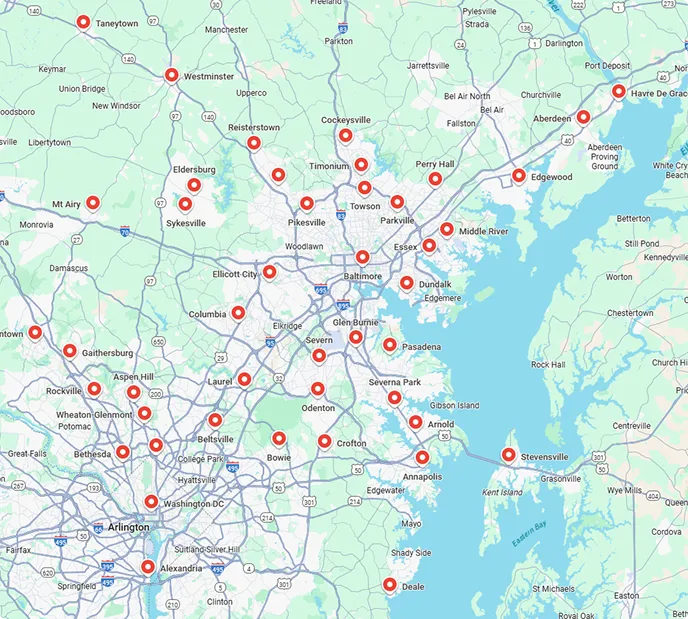
Service areas