



Heat Pump Replacement in Edgewood, MD
Edgewood homeowners seeking heat pump replacements will find a practical guide here, covering how to evaluate repair versus replacement, proper sizing, installation, and post-installation care. Tario HVAC explains when replacement is warranted based on age, performance, and costs, and outlines Manual J load calculations, SEER and HSPF considerations, and the benefits of cold-climate, high-efficiency units. We cover removal, disposal, permitting, financing, warranties, and a typical installation timeline, emphasizing thorough commissioning and reliable performance for Edgewood’s humid summers and cold winters. We ensure your comfort, efficiency, and value.
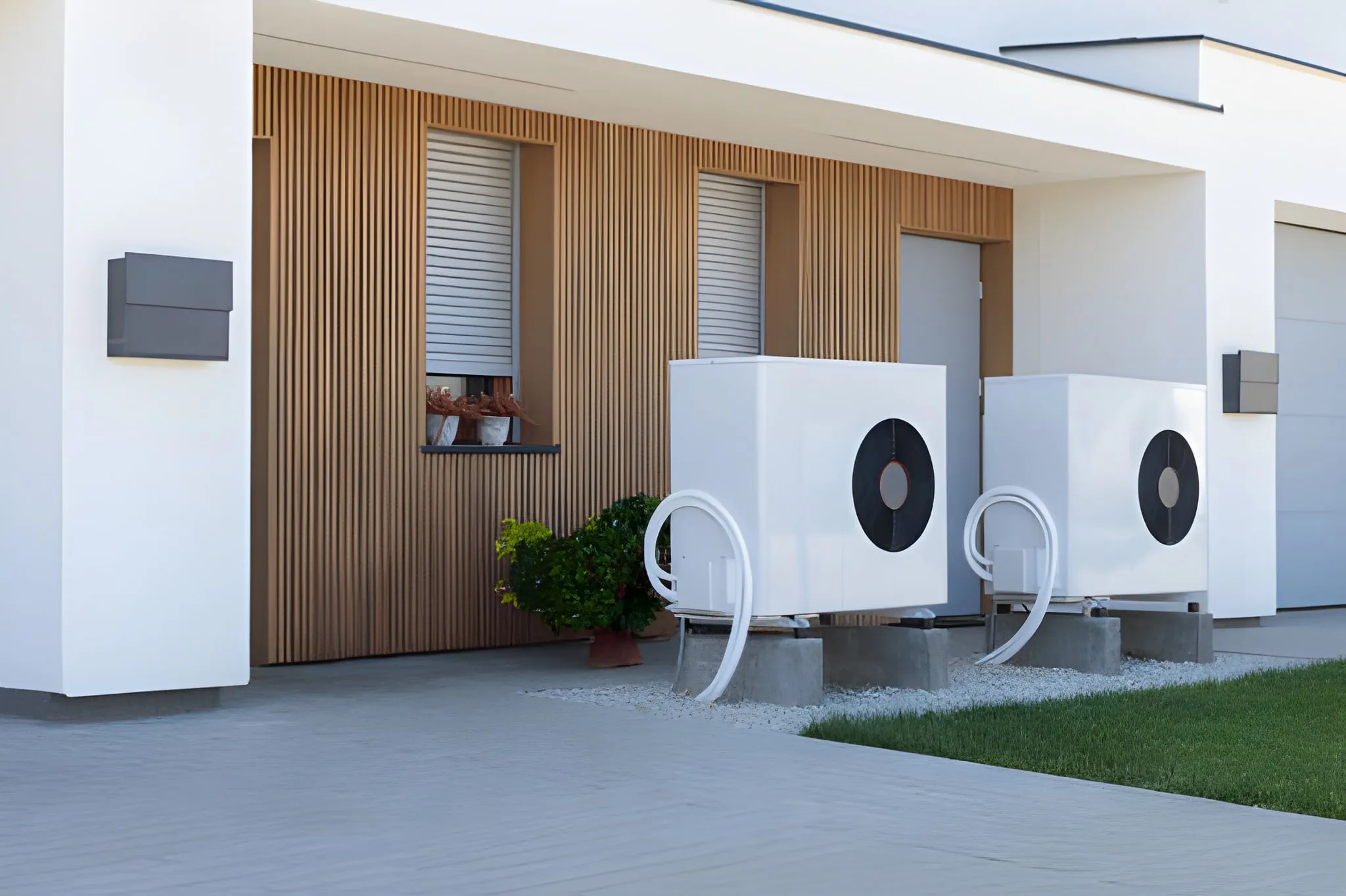
Heat Pump Replacement in Edgewood, MD
Replacing a heat pump is a major decision for homeowners in Edgewood, MD. With hot, humid summers and cold winters near the Chesapeake Bay, choosing the right replacement protects comfort, lowers energy use, and avoids repeated repair bills. This page explains how to evaluate repair versus replacement, how a proper replacement is sized and installed, what to expect during removal and disposal, and which efficiency, financing, and warranty factors matter for Edgewood homes.
When to repair vs replace: common signs in Edgewood homes
Deciding between repairing an existing heat pump and replacing it typically hinges on age, performance, and repair frequency. Consider replacement when you see one or more of these issues:
- System is older than 10 to 15 years and uses low-efficiency components.
- Frequent breakdowns or rising repair costs over the last two seasons.
- Poor heating performance on cold mornings or excessive run times in summer.
- Rising utility bills despite routine maintenance.
- R-22 refrigerant systems or signs of major compressor failure.Local climate factors in Edgewood, such as high summer humidity and occasional subfreezing temperatures, make system reliability and dehumidification performance especially important.
Common heat pump problems prompting replacement
- Diminished heating capacity in cold weather (sign of aging compressor or refrigerant issues).
- Short cycling or constant running caused by mismatched capacity or failing components.
- Corroded outdoor coils or mounting problems from salt air exposure near the bay.
- Leaky or undersized ductwork that reduces overall system efficiency.Understanding the root cause requires a diagnostic that includes performance testing and a load calculation.
How we evaluate sizing and efficiency
A proper replacement starts with a Manual J load calculation to determine the right capacity for your home in Edgewood. Factors included:
- Square footage, insulation levels, and window type.
- Orientation and sun exposure.
- Local climate patterns: humidity, average winter low temperatures, and salt-air exposure.
- Existing ductwork condition and distribution losses.
Efficiency metrics to consider:
- SEER (Seasonal Energy Efficiency Ratio) for cooling.
- HSPF (Heating Seasonal Performance Factor) for heating.
- Look for variable-speed compressors and multi-stage systems for better humidity control and steadier temperatures in our humid summers.
Choosing a correctly sized, high-efficiency unit designed for cold-climate performance will reduce runtime, improve comfort, and lower operating costs.
Recommended makes and system types
Edgewood homeowners commonly choose from reputable manufacturers known for reliability and cold-climate models:
- Trane and Carrier for robust packaged and split systems.
- Daikin and Mitsubishi Electric for ductless or multi-zone options.
- Rheem and Goodman for value-oriented, dependable choices.
- For homes with poor ductwork or room-by-room control needs, ductless mini-split heat pumps are an effective alternative.
Select a model with strong manufacturer support and long parts warranties, and prefer systems with durable outdoor-coil coatings to resist coastal corrosion.
Removal, disposal, and permitting
Heat pump replacement includes responsible removal of old equipment:
- Certified recovery of refrigerant per EPA rules.
- Proper disposal or recycling of metal, insulation, and old components.
- Permits and inspections as required by Harford County and Maryland codes.
Edgewood installations should account for neighborhood setback requirements and any Homeowner Association guidelines when placing outdoor units.
Installation process and typical timeline
A standard replacement follows these steps:
- On-site assessment and load calculation.
- Order equipment sized for the home and matched with compatible indoor components.
- Day of installation: disconnect and remove old unit, recover refrigerant, set new outdoor unit, install indoor coil or air handler, and make electrical and refrigerant connections.
- System startup, commissioning, and homeowner walkthrough.
Small split-system installations often complete in a single day. Complex replacements that require ductwork modification, new electrical circuits, or basement/attic work can take two to three days.
Post-installation testing and commissioning
Thorough testing guarantees performance:
- Verify refrigerant charge and proper pressures.
- Measure airflow and temperature split across the coil.
- Confirm correct thermostat operation and optimal control settings.
- Test defrost cycles and emergency heat operation for cold-weather use.
- Provide startup documentation including serial numbers, efficiency ratings, and recommended maintenance schedule.
A proper warranty packet will include manufacturer warranty details and any installer labor warranty.
Warranty and long-term protection
- Manufacturer warranties typically cover compressors and major components; review terms and duration.
- Installer labor warranties vary; ensure start-up and workmanship are covered.
- Routine maintenance plans extend system life and may be required to keep some warranty provisions valid.
Financing and rebate options for Edgewood residents
Heat pump upgrades often qualify for local and federal incentives designed to improve energy efficiency. Typical options include:
- Federal tax credits for qualifying high-efficiency heat pumps.
- State and utility rebates through Maryland energy programs or local utility offerings.
- Flexible financing or payment plans through lenders or third-party financing partners.
Eligibility depends on system efficiency ratings, installer certification, and current program rules. Include those documents with your replacement proposal so you know which credits or rebates apply.
Expected costs and determining value
Total replacement cost depends on:
- Equipment efficiency and type (split, packaged, ductless).
- Required ductwork repairs or replacements.
- Electrical upgrades and permitting.
- Complexity of the install location and corrosion-resistant components for coastal exposure.
Rather than focusing on headlines, compare proposals based on system capacity, projected seasonal energy savings, warranty coverage, and long-term reliability given Edgewood weather conditions.
Post-installation maintenance and tips for Edgewood homes
- Schedule annual tune-ups before the cooling and heating seasons.
- Change or clean filters monthly during heavy use.
- Keep outdoor units free from debris, landscaping, and ice buildup.
- Consider a smart thermostat to optimize run schedules and track performance.
- Address duct sealing and insulation to maximize the new heat pump’s efficiency.
Replacing a heat pump is an investment in comfort and energy savings. For Edgewood homes, prioritizing correct sizing, cold-climate performance, corrosion resistance, and thorough commissioning ensures dependable heating and cooling year-round.

Service areas
