

Heat Pump Repair in Edgewood, MD
Heat pump repair in Edgewood, MD explains common symptoms, diagnostic steps, and component-level fixes to restore comfort efficiently. It highlights why prompt service matters in coastal climates, outlines typical repair timelines and cost ranges, and discusses emergency response, warranties, and post-repair support. The guide details diagnostic methods, from visual inspections to refrigerant checks, electrical tests, and valve functionality. It also offers scheduling steps and preventive maintenance tips to reduce future breakdowns and extend system life.
.webp)
Heat Pump Repair in Edgewood, MD
When your heat pump struggles to heat or cool consistently, it affects comfort and energy bills right away. In Edgewood, MD, where cold winters and humid, salty air from the Chesapeake Bay strain equipment, timely heat pump repair keeps homes comfortable and prevents small problems from turning into costly failures.
Why prompt heat pump repair matters in Edgewood, MD
Edgewood homeowners face seasonal extremes and coastal influences. Salt-laden humidity accelerates outdoor coil and electrical corrosion. Winters can push systems into extended heating mode, exposing worn compressors and controls. Addressing issues early preserves efficiency, avoids emergency breakdowns during cold snaps, and reduces the risk of refrigerant-related hazards.
Common heat pump problems in Edgewood, MD
Homeowners frequently contact technicians for these symptoms:
- Unit runs but fails to heat or cool effectively
- Short cycling or frequent on-off cycles
- Strange noises: banging, hissing, or loud clicking
- Ice buildup on the outdoor unit in winter
- Warm air from vents when system is in heating mode
- Tripped breakers or blown fuses linked to the outdoor unit
- Visible refrigerant oil stains or decreased refrigerant pressure
These are common heat pump issues in Edgewood, MD, driven by age, salt corrosion, poor maintenance, or refrigerant problems.
How technicians diagnose heat pump problems
A structured diagnostic process isolates the cause quickly while protecting the system:
- Visual inspection of indoor and outdoor units for corrosion, debris, damaged fins, and oil stains
- Thermostat and control checks to rule out programming or sensor issues
- Electrical diagnosis including voltage, amp draw, contactor, relay, and capacitor testing
- Refrigerant pressure checks with gauges to identify leaks or undercharge
- Leak detection using electronic detectors or UV dye if refrigerant is low
- Compressor and reversing valve function checks, plus motor performance analysis
- Defrost control and sensor verification for winter icing problems
Technicians follow safety protocols such as power isolation, refrigerant recovery when required, and documented test results.
Component-level repairs and what they involve
- Compressors: Repair or replacement depending on failure mode. Compressor replacement is complex and often requires system evacuation, replacement, and recharge.
- Reversing valve: Replaces the valve that switches heating and cooling modes. Symptoms include incorrect mode operation or noisy switching.
- Refrigerant leaks: Locate and repair leaking fittings, brazed joints, or coil leaks. After repair, systems are vacuumed, leak-tested, and recharged to factory spec.
- Electrical issues: Replace failed capacitors, contactors, relays, and deteriorated wiring or terminal blocks. Clean and tighten electrical connections to prevent recurring problems.
- Defrost controls and sensors: Repair or replace faulty defrost boards, thermostats, or sensors causing ice buildup.
- Fan and blower motors: Replace bearings or motors when noisy or underperforming.
- Indoor components: Repair or replace expansion devices, reversing solenoids, and airflow components like blower wheels and filters.
Technicians use OEM or equivalent parts and document compatibility with older refrigerants such as R22 when applicable.
Typical repair timelines and cost estimates
Repair time and cost vary with the issue and parts availability. Typical estimates for Edgewood homes:
- Minor electrical repairs and controls: 1 to 3 hours; cost range approximately $125 to $450.
- Capacitor, contactor, or relay replacement: 1 to 4 hours; typical range $150 to $450.
- Refrigerant recharge for systems using current refrigerant: 1 to 3 hours; typical range $150 to $500 depending on charge amount.
- Leak detection and repair: 4 to 24 hours total; costs commonly $200 to $800 depending on location and complexity.
- Reversing valve replacement: 3 to 8 hours; cost range approximately $500 to $1,400 including parts and refrigerant work.
- Compressor replacement: 6 to 16 hours; typical cost range $800 to $2,500 depending on model and complexity.
- Major system repairs that require replacement of multiple major components or full system replacement may extend to several days.
Note about refrigerants: Older systems using R22 may incur higher costs due to limited availability. In some cases, retrofit or replacement may be more cost-effective than ongoing repairs.
Emergency response and after-repair support
For situations such as total heating loss in freezing weather or significant refrigerant leaks, emergency response options are available in many service areas to prioritize safety and restore operation quickly. Emergency calls typically focus on temporary measures to restore heat or isolate hazards followed by full repairs when parts are available.
Most reputable repairs include parts warranty coverage. Warranties vary by manufacturer and part type. Standard practice is to use OEM components when feasible, which preserves original manufacturer warranties. After-market components may carry separate warranties. Always check warranty terms and keep repair documentation for claims.
What to expect during a repair visit
- Arrival at the scheduled window with technicians who present identification and explain safety measures
- A concise walkthrough of observed issues and recommended fixes before work begins
- Clear documentation of diagnostic findings and parts required
- Repair work performed with proper refrigerant handling and electrical safety
- Post-repair testing to confirm correct operation and efficiency
- Guidance on maintenance to reduce recurrence
Straightforward steps to schedule heat pump repair in Edgewood, MD
- Gather system information: model, age, symptoms, warranty status, and any recent maintenance records.
- Note when the issue started and any patterns such as specific times or weather conditions.
- Choose your availability window and any access instructions for the technician.
- Share concerns about refrigerant types or known previous repairs so technicians arrive prepared.
- Retain repair documentation and ask for post-service recommendations to extend system life.
Preventive measures to reduce future repairs
- Schedule annual maintenance before heating and cooling seasons to catch issues early
- Change filters regularly and keep vents clear
- Keep the outdoor unit free of leaves, debris, and salt buildup; rinse coils gently if salt accumulation is present
- Maintain consistent thermostat settings and avoid short cycling
- Address minor noises or performance dips promptly
Proper diagnosis and timely repair protect comfort and energy costs. In Edgewood, MD, addressing heat pump problems early helps counteract the region-specific stresses of coastal humidity and winter demand, extending the life of your system and preserving indoor comfort.

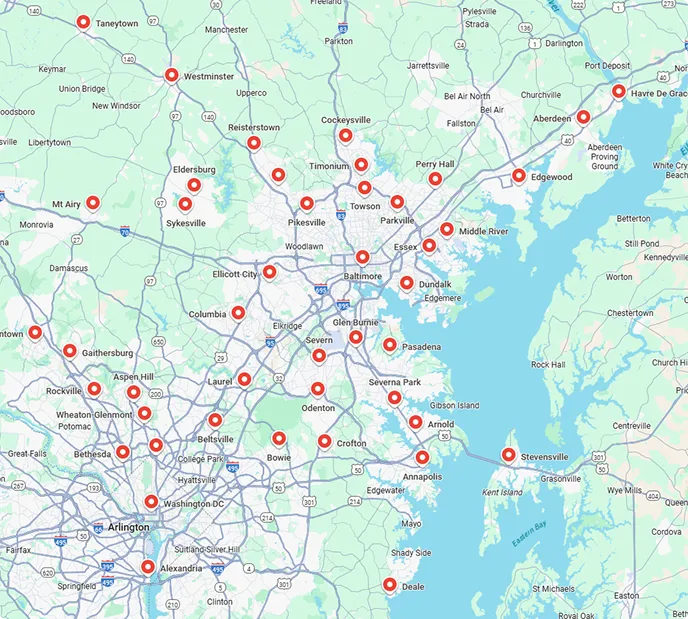
Service areas