



Heat Pump Maintenance in Edgewood, MD
Tario HVAC's heat pump maintenance in Edgewood, MD helps homeowners protect their comfort, efficiency, and equipment life through regular seasonal tune-ups, thorough inspections, and targeted cleaning. We'll outline common local issues like coil fouling, ice buildup, refrigerant leaks, and electrical faults, and explain how our professional service truly restores performance. We'll also cover recommended visit frequency, discuss our recurring maintenance plans, and share practical homeowner tips. We always highlight the immense value of proactive care in preventing breakdowns, reducing energy use, and significantly extending your system's longevity.
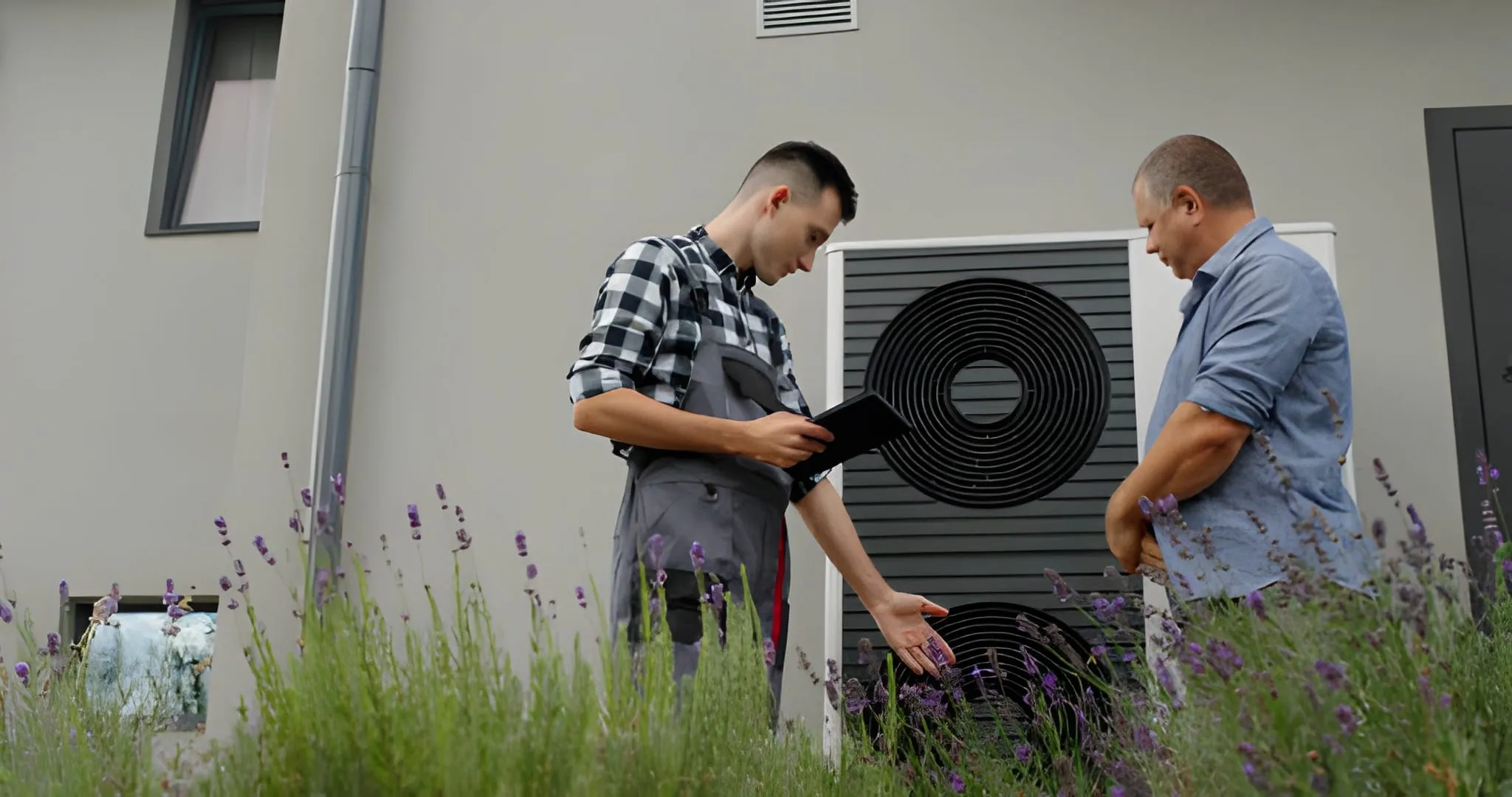
Heat Pump Maintenance in Edgewood, MD
Keeping your heat pump well maintained is one of the most effective ways to ensure reliable comfort and lower energy bills in Edgewood, MD homes. Regular heat pump maintenance addresses seasonal wear, prevents unexpected breakdowns, and preserves efficiency so your system performs well through humid summers and cold, sometimes icy, Maryland winters.
Why heat pump maintenance matters in Edgewood, MD
Edgewood sits in a coastal-influenced region with hot, humid summers and chilly winters. Those environmental factors mean:
- Higher humidity and pollen load increase coil fouling and indoor airflow resistance.
- Proximity to the Chesapeake Bay and inlet areas can accelerate outdoor unit corrosion and refrigerant line wear.
- Frequent seasonal changes place extra demand on reversing valves and controls as the system switches between heating and cooling.
Regular maintenance helps prevent corrosion-related failures, improves moisture control, and keeps your heat pump operating efficiently through seasonal extremes.
Common heat pump maintenance issues in Edgewood, MD
Homeowners in the Edgewood area often see the same predictable problems:
- Reduced airflow due to clogged filters and dirty evaporator or condenser coils.
- Frost or ice buildup on outdoor units during winter because of inadequate defrost cycles or low refrigerant.
- Leaks or low refrigerant charge causing poor heating performance and higher energy use.
- Electrical problems such as failing relays, loose connections, or worn capacitors.
- Corroded outdoor components or mounting hardware from salt and moisture exposure.
- Thermostat or control faults that cause short cycling or inconsistent comfort.
Understanding these issues helps homeowners prioritize inspections and seasonal tune-ups.
What a professional seasonal tune-up includes
A comprehensive heat pump maintenance visit typically covers these elements to restore performance and identify future risks:
- Visual inspection of outdoor and indoor units for corrosion, damage, and proper mounting.
- Filter inspection and replacement recommendations; disposable or washable filter cleaning.
- Coil cleaning - indoor evaporator coils and outdoor condenser coils cleaned to restore heat transfer.
- Refrigerant check - verify proper charge and inspect for signs of leaks.
- Electrical and safety inspection - test wiring, contactors, capacitors, and safety controls.
- Defrost cycle and reversing valve check to ensure reliable winter operation.
- Lubrication of motors and moving parts where applicable.
- Condensate drain and pan inspection and cleaning to prevent water damage or mold growth.
- Performance and efficiency testing - measure temperature differentials, airflow, and system run cycles.
- Documentation of findings with maintenance notes and any recommended repairs.
Each step targets common failure points so you get measurable improvements in comfort and efficiency after service.
Diagnostic approach and transparency
A professional maintenance visit follows a methodical diagnostic flow:
- System start-up and baseline performance measurements.
- Component-level testing and visual inspections.
- Targeted cleaning and minor adjustments.
- Re-test performance to quantify improvements.
- Clear maintenance report outlining work performed, parts inspected, and any recommended repairs.
This structured process identifies immediate fixes and items to monitor, helping you avoid surprise breakdowns.
Recommended maintenance frequency and seasonal timing
For most Edgewood homes, the recommended schedule is:
- Two professional tune-ups per year: one in spring for cooling season preparation and one in fall for heating season preparation.
- Monthly homeowner checks of filters, especially during high-use months.
- Faster follow-up if you notice changes in performance, unusual noises, increasing bills, or visible ice buildup.
Twice-yearly service ensures the heat pump is optimized for seasonal demands and prolongs equipment life.
Heat pump maintenance plans and recurring agreements
Recurring maintenance agreements simplify upkeep and provide predictable care:
- Typical plans include two annual tune-ups scheduled ahead of the season, filter discounts, service history tracking, and priority scheduling for repairs.
- Plans can be tailored for single-family homes, multi-zone or ductless systems, and properties with coastal exposure that require enhanced corrosion checks.
- Membership-style agreements reduce paperwork and help maintain consistent service intervals, which directly improves system longevity and reliability.
Enrollment processes are straightforward, and plans are structured to minimize gaps between inspections so seasonal issues are caught before they become breakdowns.
Benefits of regular heat pump maintenance
Regular maintenance delivers clear, measurable benefits for Edgewood homeowners:
- Reduced likelihood of unexpected breakdowns during extreme weather.
- Lower energy bills from improved efficiency and cleaner coils.
- Extended equipment life and delayed need for replacement.
- More consistent indoor comfort and better humidity control.
- Improved safety from corrected electrical faults and secure components.
Over time, maintenance pays for itself through reduced repair costs and energy savings.
Homeowner tips between professional visits
Simple actions by homeowners help protect your heat pump:
- Replace or clean filters every 1 to 3 months depending on usage and household factors.
- Keep at least 2 feet of clearance around the outdoor unit; trim vegetation and remove debris promptly.
- Rinse salt or road spray from the outdoor unit after storms if you live near tidal areas.
- Monitor monthly utility bills and indoor temperature consistency for gradual changes that signal issues.
- Avoid covering the outdoor unit for extended periods in winter; ensure proper drainage around the base.
These practices reduce stress on the system and help maintenance visits focus on deeper inspection and adjustments.
Signs you need immediate service
Schedule professional attention if you notice:
- Strange banging, grinding, or hissing noises during operation.
- Significant drops in heating or cooling capacity.
- Persistent ice build-up on the outdoor unit that does not clear.
- Burning smells, tripped breakers, or frequent short cycling.
- Sudden spikes in energy usage without a change in habits.
Addressing these signs promptly limits damage and repair costs.

Service areas
