



Heat Pump Repair in Arnold, MD
A heat pump repair for Arnold, MD homeowners, focusing on diagnosing and completing repairs efficiently. It covers common problems such as compressor wear, refrigerant leaks, defrost faults, electrical issues, and airflow or thermostat concerns, with diagnostics including visual inspection, electrical testing, refrigerant checks, leak detection, and control diagnostics. It explains typical repair steps and timelines, parts and labor considerations, warranty details, emergency response, plus practical homeowner troubleshooting and a clear, safety-minded service process.
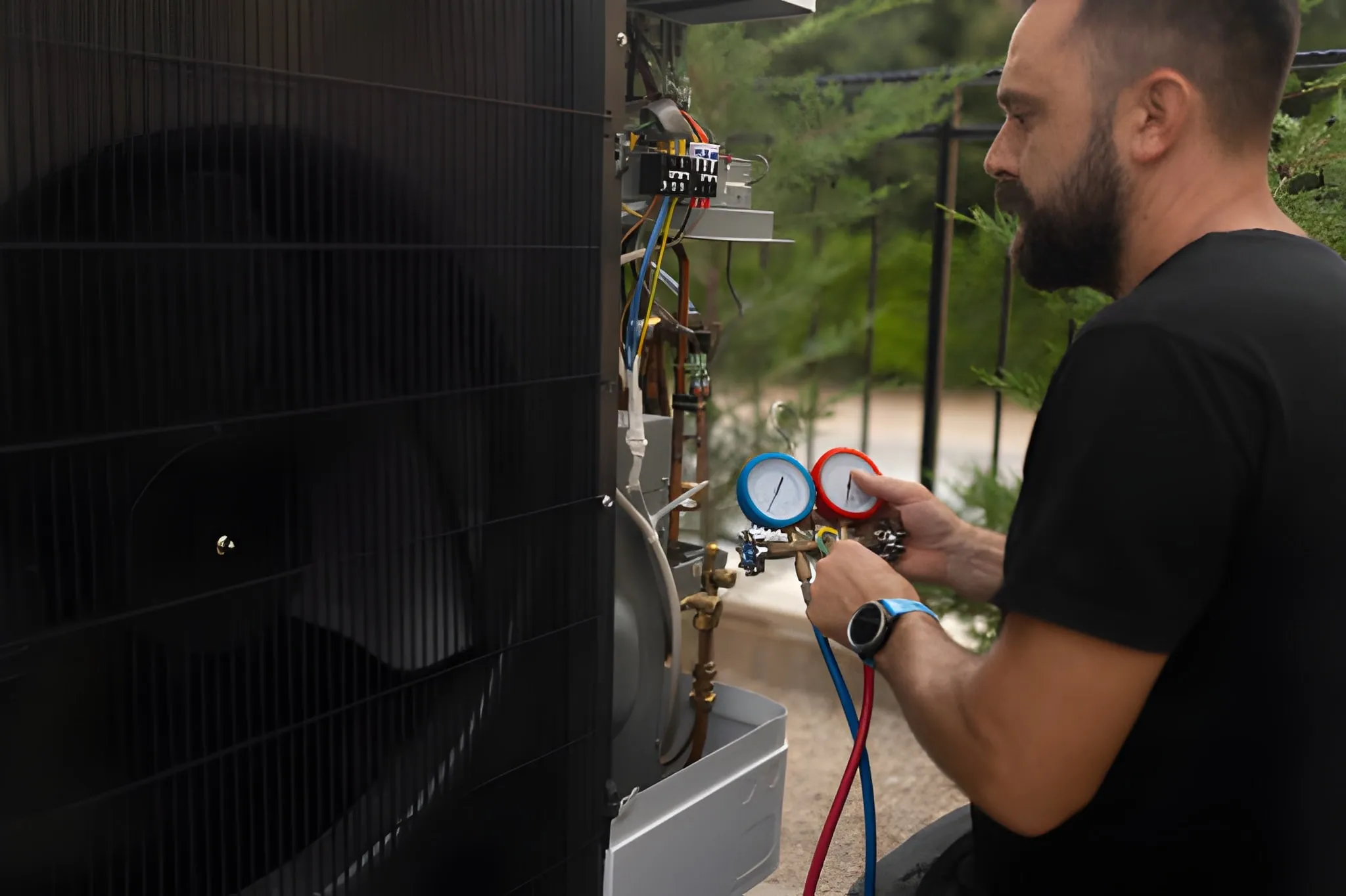
Heat Pump Repair in Arnold, MD
Heat pumps are a common and efficient choice for heating and cooling homes in Arnold, MD. Because the region combines humid summers with occasional cold snaps and coastal salt air, heat pumps here face unique stresses that can lead to compressor wear, refrigerant leaks, defrost cycle faults, and electrical corrosion.
Why timely heat pump repair matters in Arnold, MD
A malfunctioning heat pump can reduce comfort, raise energy usage, and accelerate component failure. In Arnold, higher humidity and proximity to the Bay can accelerate outdoor coil corrosion and electrical connector corrosion, so addressing small issues quickly prevents bigger failures later. Prompt repair restores efficiency, improves comfort during humid summers and cold spells, and can extend the service life of the system.
Common heat pump problems in Arnold homes
- Compressor failures – Symptoms include reduced cooling or heating capacity, high head pressures, or the unit not running. Causes range from electrical faults to long-term wear.
- Refrigerant leaks – Signs include poor performance, ice on the evaporator coil, and hissing sounds. Leaks reduce efficiency and can damage the compressor when run low on refrigerant.
- Defrost cycle problems – If the outdoor coil stays iced over or the unit runs constantly in heat mode, the defrost control, sensors, or reversing valve may be at fault.
- Electrical faults – Tripped breakers, failed contactors, or bad capacitors prevent reliable operation. Coastal salt exposure can accelerate corrosion on electrical components.
- Fan motor or blower issues – Outdoor fan motors or indoor blowers that hum, vibrate, or fail to spin will reduce airflow and system performance.
- Thermostat or controls – Communication faults, calibration drift, or wiring issues can make units behave erratically.
Diagnostic procedures technicians use
- Visual inspection of outdoor and indoor units for debris, corrosion, and visible damage.
- Electrical testing using meters to check capacitors, contactors, breakers, and control voltages.
- Refrigerant system checks with pressure gauges to evaluate charge, and calculation of superheat and subcooling to identify undercharge or overcharge conditions.
- Leak detection using electronic leak detectors, UV dye, or soap solutions where appropriate.
- Defrost and control diagnostics to evaluate sensors, defrost boards, and reversing valves.
- Airflow assessment by measuring temperatures and checking filters, ductwork, and blower function.
Diagnostics typically take one visit and 30 to 90 minutes depending on access and system complexity. A clear diagnosis guides whether a repair, part replacement, or more extensive action is necessary.
Typical repair steps and timelines
- Minor electrical or control component replacement (capacitor, contactor, relays): often completed same day, 1 to 3 hours.
- Fan motor or blower motor replacements: 2 to 4 hours depending on access.
- Refrigerant leak repair and recharge: may require trace testing and repair work; 2 to 6 hours and sometimes a follow-up visit to confirm no further leakage.
- Compressor replacement: 4 to 8 hours; in many cases replacing the compressor requires evaluation of the outdoor coil and control compatibility and can lead to recommending a full outdoor unit replacement.
- Reversing valve or major refrigeration component replacement: 3 to 6 hours, with vacuum and recharge procedures included.
- Defrost control module or sensor replacement: 1 to 3 hours.
Timelines assume standard residential access and typical parts availability. Seasonal demand can affect scheduling and part procurement.
Parts, labor, and quality considerations
- Parts used for repairs can be original equipment manufacturer (OEM) or high-quality aftermarket equivalents. OEM parts maintain manufacturer compatibility and warranty support.
- Labor for HVAC repairs requires certified technicians familiar with refrigerant handling, electrical systems, and local code requirements. Workmanship guarantees are common within industry practice and often cover labor for a limited period after repair.
- In Arnold, salt-air corrosion may make outdoor components require more frequent replacement. When multiple major refrigeration components fail, technicians may recommend system replacement as a cost-effective long-term solution.
Emergency repair response
An emergency typically includes no heating during cold periods, loud grinding or metallic noises suggesting imminent mechanical failure, burning smells, smoke, or repeated electrical trips that affect safety. For such scenarios, an emergency dispatch prioritizes safety: technicians will secure the system (isolate breakers or disconnects), provide temporary measures to restore heat where safely possible, and perform priority diagnostics to prevent additional damage. Emergency response aims to minimize unsafe conditions first, then restore operation.
Straightforward homeowner troubleshooting (safe checks)
- Verify thermostat settings and batteries where applicable.
- Check your main electrical panel for tripped breakers and the outdoor unit disconnect switch.
- Replace or clean clogged air filters to restore airflow.
- Ensure the outdoor unit is clear of debris, leaves, and vegetation; keep 2 feet clearance on all sides.
- Look for obvious signs of damage or ice accumulation on the outdoor unit. If ice is present, do not attempt to chip it off; a professional defrost and diagnostic are needed.
- Do not attempt refrigerant handling or electrical repairs yourself. These require licensed technicians.
Warranty and guarantee information
- Manufacturer warranties typically cover refrigerant circuits, compressors, and select components for defined terms. Warranty lengths vary by brand and model.
- Service warranties on parts and labor are often offered by reputable technicians for a limited period after repair. These workmanship guarantees cover the specific repair performed and expedite follow-up visits if the original problem recurs within the guarantee window.
- Maintaining a record of regular maintenance helps preserve manufacturer warranties and supports warranty claims if a covered failure occurs.
How the service process typically works
- Initial scheduling and appointment logistics are arranged based on availability; expect a diagnostic visit where a certified technician evaluates the system.
- After diagnosis, a written estimate outlines recommended repairs, parts, and expected timeline.
- Once a repair is approved, parts are ordered if not in stock and the work is scheduled. Many common repairs are completed on the first visit when parts are available.
- Post-repair, the technician will test the system, document the work performed, and explain care and any recommended follow-up.
Repair decisions balance immediate needs, long-term reliability, system age, and efficiency. In Arnold homes where coastal conditions accelerate wear, careful diagnostics and timely repairs protect comfort and investment.
If you require a repair, expect clear documentation of findings, a transparent explanation of repair options, and prioritized safety measures for emergency conditions.

Service areas
