



Heat Pump Maintenance in Arnold, MD
Keeping your heat pump running smoothly in Arnold, MD means regular, professional maintenance that's tailored for our local climate and coastal conditions. Tario HVAC helps preserve your comfort, reduce operating costs, and significantly extend the life of your equipment. A preventive maintenance agreement with us simplifies care, keeps a detailed service history, and ensures you get predictable, seasonal attention so your heat pump performs reliably year-round.
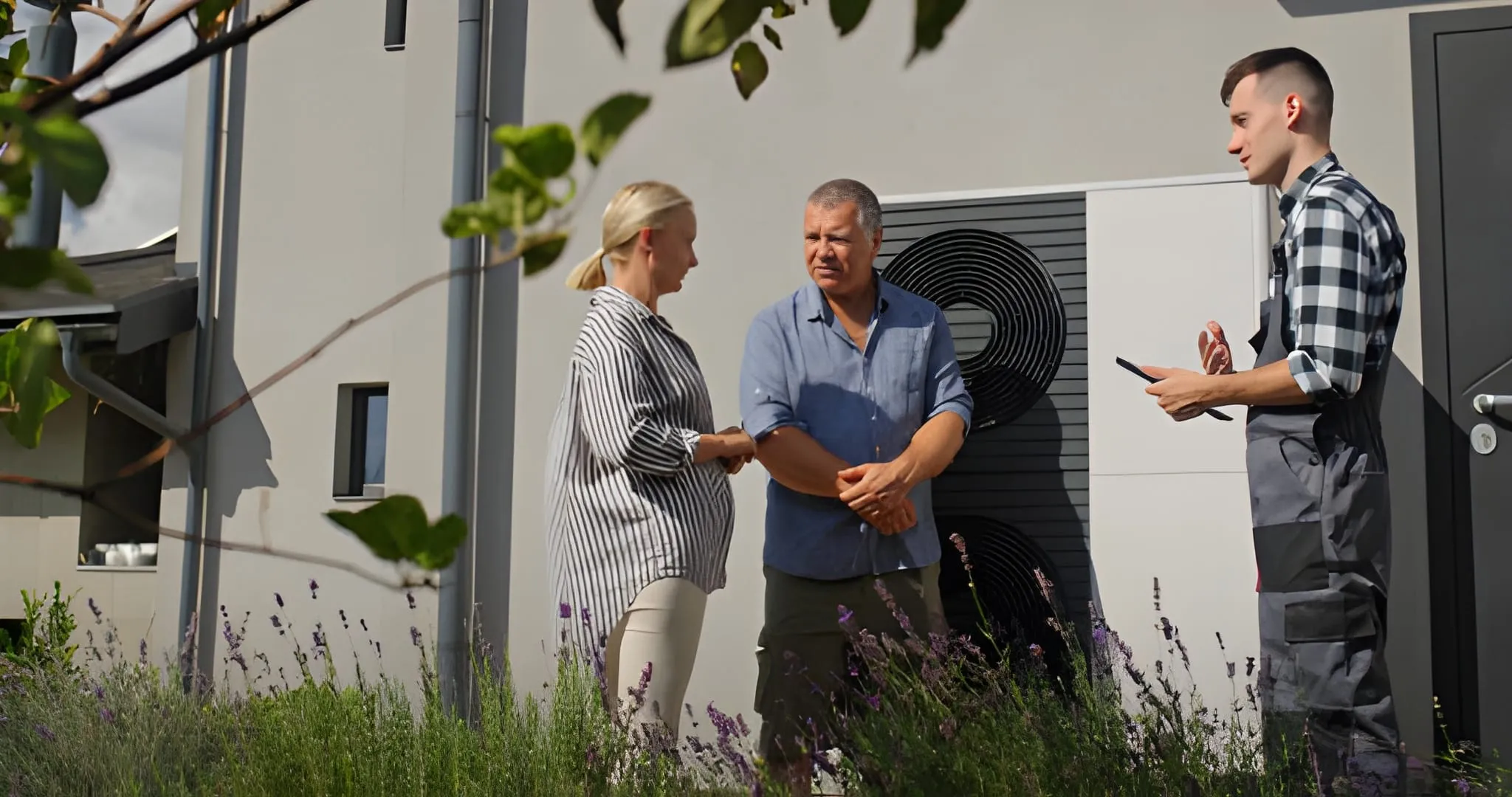
Heat Pump Maintenance in Arnold, MD
Keeping your heat pump running reliably and efficiently is critical for comfort and energy savings in Arnold, MD. With humid summers, occasional cold snaps, and proximity to the Chesapeake Bay that can accelerate corrosion, routine heat pump maintenance protects performance, reduces unexpected breakdowns, and extends equipment life. This page explains what a professional heat pump maintenance program in Arnold looks like, the seasonal tune-up checklist, the benefits of regular service, recommended intervals, maintenance plan options, the documentation you receive after service, and the simple steps to enroll in a preventive maintenance agreement.
Why routine heat pump maintenance matters in Arnold, MD
- High summer humidity increases stress on outdoor coils and indoor blower components, causing reduced airflow and lower efficiency if not cleaned regularly.
- Salt-laden air near the Bay can accelerate corrosion of coils, electrical connections, and mounting hardware, making inspections and protective treatments more important.
- Preventive maintenance identifies small issues before they become costly failures during peak heating or cooling demand.
- Properly tuned heat pumps use less electricity, keeping monthly energy bills lower during both winter and summer seasons.
Common heat pump maintenance issues in Arnold, MD homes
- Restricted airflow from clogged filters, dirty coils, or blocked return vents.
- Reduced cooling/heating capacity due to low refrigerant charge or refrigerant leaks.
- Frosting or short-cycling caused by malfunctioning defrost controls or sensors.
- Worn or loose electrical connections that can create intermittent failures or safety risks in a coastal environment.
- Thermostat miscalibration leading to uncomfortable temperature swings and inefficient operation.
Seasonal tune-up checklist (what a professional will do)
A comprehensive seasonal tune-up covers both performance and safety items. Typical tasks include:
- Indoor unit
- Filter inspection and replacement or guidance on recommended filter type and schedule.
- Blower motor and wheel cleaning to restore airflow and reduce energy use.
- Coil inspection and cleaning to remove dust and grime that impede heat transfer.
- Drain pan and condensate line cleaning to prevent backups and microbial growth.
- Thermostat calibration and control checks to ensure accurate temperature control and proper system staging.
- Outdoor unit
- Outdoor coil cleaning and fin inspection to address dirt buildup and minor fin damage.
- Fan and motor inspection for bearing wear, belt condition (if applicable), and proper operation.
- Refrigerant system check including pressure readings to verify correct charge and look for signs of leaks.
- Electrical inspection of contactors, capacitors, relays, and terminal connections for tightness and corrosion.
- Defrost cycle verification to ensure reliable heating performance in cold weather.
- System-level checks
- Performance measurements such as temperature split, current draw, and run times to assess efficiency.
- Safety device tests including high/low pressure switches and emergency controls.
- System cleaning and lubrication where applicable.
- Recommendations for repairs or parts replacement if issues are found.
What a technician will diagnose and report
Technicians use visual inspection, electrical testing tools, and performance measurements. Expect a clear explanation of:
- Observed conditions (dirty coils, failing capacitor, etc.)
- Measured values (temperatures, pressures, amperage) and how they compare to manufacturer specifications
- Recommended corrective actions and the urgency of each item
- Estimated remaining useful life considerations for major components
All findings should be explained in plain language so you understand why the work matters and how it affects comfort, safety, and operating costs.
Benefits of regular heat pump maintenance
- Improved efficiency and lower utility bills: Clean coils, correct refrigerant charge, and proper airflow reduce runtime and energy consumption.
- Longer equipment life: Routine lubrication and component checks prevent premature wear on motors and compressors.
- Fewer emergency repairs: Early detection of small problems avoids expensive mid-season failures.
- Consistent comfort: Properly calibrated controls and balanced airflow maintain even indoor temperatures.
- Preserved warranty coverage: Many manufacturer warranties require documented routine maintenance.
Recommended service intervals
- Biannual tune-ups are recommended for most heat pump systems: one in spring (pre-cooling season) and one in fall (pre-heating season).
- Homes exposed to coastal conditions, heavy pollen, or pets may need more frequent filter changes and inspections.
- If your heat pump is older than 10 years, more frequent inspections can help identify components nearing end-of-life.
Maintenance plan options (what to expect)
Maintenance agreements are usually structured into tiered plans that match different needs:
- Basic Plan: seasonal tune-ups, priority scheduling for maintenance visits, and a service report after each visit.
- Standard Plan: adds filter replacement, mid-season check, and discounts on parts and labor for repairs.
- Comprehensive Plan: includes all tune-ups, emergency priority service, diagnostic trip fee waivers, and annual performance testing with written system health reviews.
Each plan typically outlines included services, response priority, and how service visits are scheduled. Plans are designed to be flexible so homeowners can select the level of coverage that fits their equipment age, usage, and budget.
Documentation provided after service
After each maintenance visit you should receive a written or digital service report that includes:
- Date and time of service and technician name
- Checklist of tasks performed and parts replaced
- Measured performance data (temperatures, pressures, amperage)
- Any safety issues discovered and corrective actions taken
- Recommended repairs and a prioritized summary of items to watch
- Next recommended service date and plan benefits summary
This documentation helps maintain warranty compliance and provides a clear maintenance history for future buyers or service providers.
How to enroll in a preventive maintenance agreement
To enroll in a preventive maintenance agreement you typically follow these steps:
- Review the available plan options and compare included services and response priorities.
- Schedule the initial inspection and seasonal tune-up that establishes the baseline for your system.
- Complete the agreement paperwork which outlines service intervals, plan terms, and any automatic scheduling preferences.
- Receive a welcome packet or account access with details on how visits are scheduled and how to view service records.
- Maintain records and follow simple homeowner care tips like changing filters between professional visits.
Enrollment streamlines future service and ensures your heat pump receives priority scheduling during peak seasons.
Homeowner maintenance tips
- Replace or clean filters monthly during heavy use seasons; this is the single most effective homeowner task to protect efficiency.
- Keep the outdoor unit clear of vegetation and debris and rinse the coil gently when visibly dirty.
- Keep return vents and registers unobstructed to maintain proper airflow.
- Note unusual noises, odors, or reduced capacity and ask for a diagnostic inspection rather than waiting for failure.

Service areas
