

Heat Pump Installation in Arnold, MD
Heat Pump Installation in Arnold, MD requires attention to local weather patterns, coastal exposure, and older home construction. A professional installation that begins with an accurate load calculation, addresses duct and electrical needs, follows local permitting, and includes thorough commissioning will deliver the best long-term comfort and value. Proper orientation and a maintenance plan keep the system operating efficiently through Maryland’s seasonal extremes.
.webp)
Heat Pump Installation in Arnold, MD
Replacing or installing a heat pump is one of the most impactful upgrades you can make for year-round comfort and energy efficiency in Arnold, MD. With hot, humid summers and occasional cold snaps in Anne Arundel County, a correctly sized and installed heat pump provides reliable cooling, efficient heating, and improved indoor comfort. This page explains what a professional Heat Pump Installation in Arnold, MD looks like, common local issues to watch for, the step-by-step process, permitting and code considerations, expected timeline, factors that affect cost, and warranty and maintenance basics.
Why choose a heat pump for Arnold homes
- Heat pumps work well in Maryland’s climate, delivering efficient cooling in the summer and energy-efficient heating through milder winters.
- Modern heat pumps can handle cold-weather operation better than older models, making them a practical replacement for aging furnaces or window AC units.
- For coastal and bay-adjacent properties, selecting equipment with corrosion-resistant coatings and proper outdoor placement helps extend service life.
Common heat pump installation issues in Arnold, MD
- Older houses with undersized or leaky ductwork that reduce efficiency and comfort.
- Limited outdoor space or tight yards near the Chesapeake Bay, requiring careful outdoor unit placement to minimize exposure to salt air and ensure proper airflow.
- Electrical panels that lack sufficient capacity or dedicated circuits for modern heat pump systems.
- Permitting and local code requirements specific to Anne Arundel County that must be followed to avoid delays.
- Homes without existing ductwork where ductless mini-splits may be a better fit.
Site assessment, load calculations, and equipment sizing
A professional installation begins with an on-site assessment:
- Visual inspection of the home’s envelope, attic insulation, windows, and duct system.
- Manual J load calculation to determine the correct capacity. This ensures the heat pump is not oversized or undersized—both of which lead to comfort and efficiency problems.
- Review of existing electrical capacity, panel space, and required circuit breakers.
- Evaluate whether your home should use a central ducted heat pump, a ductless mini-split, or a hybrid solution.
Equipment is selected based on the load calculation and local conditions. Efficiency ratings like SEER and HSPF are considered, along with cold-climate performance and corrosion-resistant features for coastal exposure.
Ductwork and electrical requirements
- Duct inspection and sealing: Leaks, missing insulation, and improper sizing are corrected to maximize system performance.
- Duct modifications or additions are planned when necessary, including adding returns or zoning dampers if zoning is desired.
- Electrical upgrades: Many installations require a dedicated circuit, appropriate disconnects, and sometimes a service panel upgrade to support the new heat pump.
- Safety compliance with local electrical codes and ensuring proper grounding and surge protection for electronic components.
Outdoor and indoor unit placement
Correct placement affects performance and longevity:
- Outdoor unit locations prioritize airflow, clearance from vegetation, and reduced exposure to salt spray for bay-area properties.
- Mounting pads or anti-vibration bases and protective screening options are considered for noise control and corrosion protection.
- Indoor unit placement optimizes airflow patterns, reduces short-cycling, and keeps aesthetics in mind. For ductless systems, indoor heads are positioned for even room distribution and minimal disruption to living spaces.
Permitting and code compliance
Heat pump installations in Arnold must comply with Anne Arundel County and Maryland building codes:
- Permit applications commonly include equipment specs, electrical plans, and refrigerant line routing.
- Inspections may be required at various stages (electrical, mechanical, final).
- Proper refrigerant handling and EPA refrigerant regulations are observed during installation and testing.
Step-by-step installation procedures
A typical professional installation follows these stages:
- Pre-install site visit and load calculation.
- Permit submittal and scheduling inspections as required by local jurisdiction.
- Prepare the site: ductwork repairs, electrical preparations, and pad installation.
- Install indoor and outdoor units, refrigerant lines, condensate drains, and control wiring.
- Evacuate refrigerant lines, charge system per manufacturer specifications, and complete electrical connections.
- Startup, balancing, and system testing under load conditions.
- Final commissioning and homeowner orientation.
Startup, testing, and system commissioning
- Technicians verify refrigerant charge, superheat/subcooling, airflow, and electrical performance.
- System controls and thermostat settings are calibrated for efficient operation and comfort.
- Safety checks include verifying proper defrost cycles, reversing valve operation, and protective device settings.
- Performance is validated in both heating and cooling modes when possible to ensure balanced operation.
Homeowner orientation and maintenance guidance
A thorough orientation helps homeowners get the most from their new system:
- Review thermostat programming, economy modes, and recommended temperature setpoints for comfort and efficiency.
- Explain filter types and replacement intervals, condensate line care, and outdoor unit clearance requirements.
- Provide seasonal maintenance recommendations, including professional tune-ups, coil cleaning, and refrigerant leak monitoring.
- Discuss expected lifespan and signs that warrant a service call, such as unusual noise, reduced airflow, or cycling issues.
Expected timeline and cost factors
Typical timelines:
- Site assessment and quote: usually within a few days to a week.
- Permitting and scheduling: can take one to several weeks depending on county processing and inspection availability.
- Physical installation: most residential installs take 1 to 3 days for standard single-zone systems; more complex or multi-zone projects may require additional days.
- Final commissioning and walk-through: completed the same day as installation or at a scheduled follow-up.
Cost is influenced by:
- System size and efficiency level selected.
- Need for ductwork repairs, electrical panel upgrades, or additional wiring.
- Home type, accessibility, and whether a ductless solution is required.
- Local permitting and inspection fees.
- Note: Instead of listing prices, focusing on these factors helps homeowners understand what drives investment and what to include in comparisons.
Warranty and long-term protection
- Most manufacturers offer limited warranties on compressors and major components; common terms range from several years to a decade for registered equipment.
- Installer labor warranties vary; reputable professional installations typically include a workmanship warranty for a specified period.
- Regular maintenance and prompt repairs are essential to preserve warranty eligibility and system longevity.

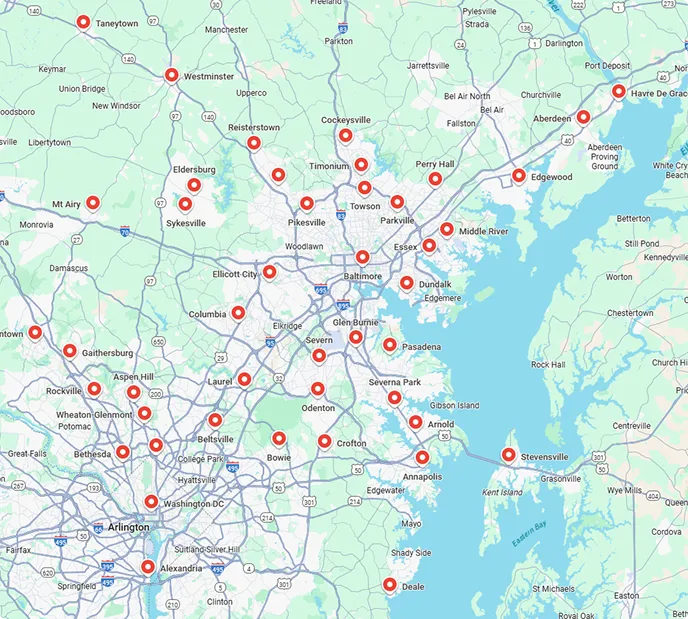
Service areas