

Heat Pump Installation in Baltimore, MD
Choosing and installing a heat pump in Baltimore, MD is an investment in year‑round comfort and energy efficiency. Proper assessment, accurate sizing, code‑compliant installation, and routine maintenance are the keys to reliable performance in Baltimore’s humid summers and cool winters. With attention to local challenges—space constraints in rowhomes, coastal corrosion, and humidity control—you can expect a system that delivers consistent comfort and long service life.
.jpeg)
Heat Pump Installation in Baltimore, MD
Switching to a heat pump is one of the most effective ways for Baltimore homeowners to improve year‑round comfort and reduce heating and cooling costs. Heat Pump Installation in Baltimore, MD requires careful evaluation of local climate factors—hot, humid summers; chilly winters; and many older rowhomes with limited space—so the right system, properly sized and installed, makes the difference between efficient performance and recurring problems. This page explains the full installation process, common local issues, selection choices, permitting, commissioning, and post‑install care so you know what to expect.
Why a heat pump makes sense for Baltimore homes
- Baltimore’s climate favors heat pumps: modern units deliver efficient cooling in summer and cost‑effective heating through fall and milder winter days.
- High summer humidity and urban heat islands mean you need proper capacity and humidity control.
- Older rowhomes and small lots often make ductless or compact outdoor units a practical choice.
- Cold‑climate heat pump models maintain output at lower temperatures, reducing the need for backup heat during cold snaps.
Common heat pump installation types and which Baltimore homes suit them
- Ducted heat pumps: Best for homes with existing, well‑sealed ductwork. Ideal when whole‑home comfort and integrated central airflow are priorities.
- Ductless mini‑split systems: Excellent for rowhouses, additions, condos, or rooms without ducts. Offer zone control and minimal disruption during installation.
- Air‑source vs cold‑climate air‑source: Cold‑climate models use enhanced compressors and refrigerants that perform better on chilly Baltimore nights.
- Single‑stage vs multi‑stage vs variable‑speed: Single‑stage is simpler and less expensive. Multi‑stage/variable‑speed delivers better humidity control, quieter operation, and more precise temperature control—useful in humid Baltimore summers.
Common heat pump installation issues in Baltimore and how they’re prevented
- Undersized or oversized systems: Both cause comfort and efficiency problems. Accurate load calculations prevent this.
- Poor ductwork: Leaky or undersized ducts reduce efficiency. Duct sealing and balancing are often required on older homes.
- Improper refrigerant charge and airflow: Leads to short cycling and poor performance. Proper charging and airflow testing are crucial during commissioning.
- Outdoor unit placement: Salt air near the harbor and limited yards can accelerate corrosion or cause noise issues. Choosing location, protective coatings, and sound‑reducing mounts addresses these risks.
- Cold‑weather performance: Selecting a model rated for Maryland winters and ensuring backup heat strategy prevents comfort gaps during deep freezes.
On‑site assessment and system selection
- Initial visit: A technician reviews your home layout, insulation levels, existing heating/cooling equipment, electrical capacity, and aesthetic or space constraints.
- Load calculations: A Manual J heat load calculation determines heating and cooling requirements. Manual D addresses duct design if ducted systems are used.
- Equipment selection: Based on load, choose between ducted vs ductless, determine single‑stage or multi‑stage, and evaluate SEER, HSPF, and cold‑temperature COP ratings. For homes near the harbor or in high‑humidity neighborhoods, factor corrosion resistance and dehumidification capability.
- Accessory recommendations: Thermostats (including smart thermostats), line‑set routing, condensate management, and potential duct sealing or insulation upgrades.
Permitting and code compliance in Baltimore, MD
- Local permits: Heat pump installations typically require permits and a final inspection by Baltimore City or County building departments. Permitting ensures electrical, refrigerant handling, and mechanical work meets local codes.
- Licensing and refrigerant handling: Work must follow Maryland HVACR regulations and EPA refrigerant rules. Licensed technicians complete required documentation for inspections and warranty registration.
- Typical timeline: Permit turnaround varies by jurisdiction and project complexity—expect a brief wait between assessment and installation start while permits are processed.
Step‑by‑step installation and commissioning
- Site preparation: Protect floors, create clear work access, and plan outdoor unit location for airflow, noise, and service access.
- Removal and disposal: Safely remove old equipment and recover refrigerant per EPA rules when applicable.
- Mounting and routing: Install condensing unit on pads or wall mounts. Run refrigerant lines, condensate drain, and electrical conduit with proper insulation and slope.
- Electrical and controls: Connect to existing service or upgrade as needed. Install disconnects, breakers, and thermostat wiring; set up any smart controls.
- Refrigerant work and vacuum: Evacuate system, charge to manufacturer specifications, and verify pressures.
- Airflow and ductwork: Balance airflow, seal penetrations, and perform any required duct modifications.
- Commissioning tests: Measure superheat/subcooling, system pressures, amperage, airflow, and run through defrost cycles. Verify controls, safety devices, and backup heat function.
- Final inspection: Coordinate with local inspector to confirm code compliance and permit sign‑off.
Post‑installation testing and homeowner orientation
- Walkthrough: The installer demonstrates thermostat operation, explains modes (heat, cool, defrost), and shows recommended temperature and scheduling strategies for energy savings in Baltimore’s climate.
- Documentation: Provide manufacturer warranty information, labor warranty terms, maintenance schedule, and any permit/inspection paperwork.
- Performance verification: Technicians typically run the system through both heating and cooling cycles, check indoor humidity behavior, and leave a checklist of what was tested.
Warranty and maintenance recommendations
- Manufacturer vs labor warranty: Confirm manufacturer limited warranty and any installer labor warranty. Register equipment promptly to protect benefits.
- Recommended maintenance:
- Annual professional inspection and tune‑up to verify refrigerant charge, clean coils, test controls, and lubricate where applicable.
- Replace or clean filters every 1–3 months depending on use and indoor air quality.
- Duct sealing and periodic leak checks for ducted systems.
- Keep outdoor unit clear of vegetation, salt spray, and debris to extend equipment life.
- Seasonal checks: Prior to cooling season, verify dehumidification and cooling capacity. Before winter, ensure defrost cycle and cold‑weather performance are operating correctly.
Typical timelines for heat pump installation in Baltimore
- On‑site assessment and proposal: 1–2 hours for the visit; proposal delivered shortly after.
- Permitting and scheduling: Permit approval can take several days to a couple of weeks depending on the jurisdiction and season.
- Installation duration: Most residential installs complete in 1–3 days. Complex ductwork changes, multi‑zone ductless systems, or modifications for historic rowhomes can extend the timeline.
- Inspection and commissioning: Typically done the same day as installation or shortly after once permits are ready.

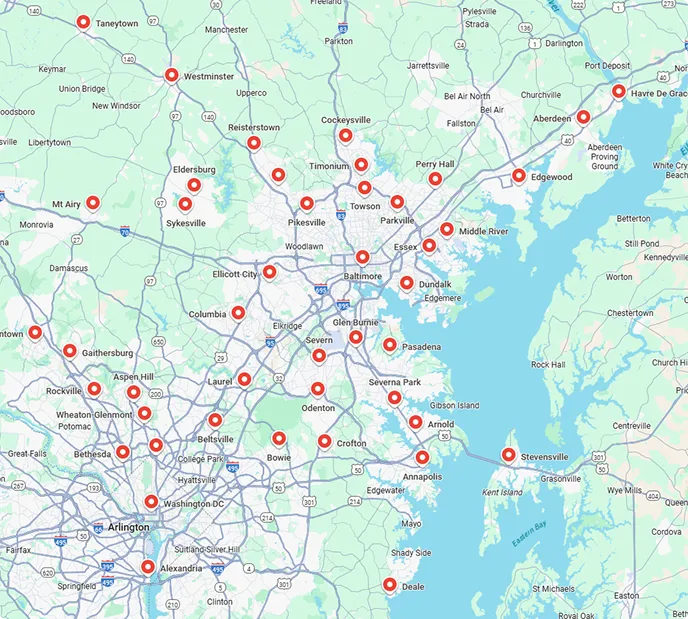
Service areas