

Water Heater Repair in Towson, MD
When your tanked water heater fails, it disrupts daily life quickly. In Towson, MD homes, issues like no hot water in cold months, leaks in older tanks, or pilot problems in gas units are common and time sensitive. Tario HVAC explains how tanked water heater troubleshooting and repair works, what diagnostics our technicians perform on gas and electric systems, typical replacement parts and labor steps, realistic service timelines, safety and efficiency checks, emergency options, and warranty considerations for homeowners in Towson.
.webp)
Common tanked water heater problems in Towson, MD
- No hot water or sudden loss of heat: Often caused by a failed heating element (electric) or burner/thermocouple issues (gas). In colder months Towson homeowners notice this more frequently due to higher demand.
- Lukewarm water or fluctuating temperature: Sediment buildup, failing thermostats, or partial element failure can produce inconsistent temperatures.
- Leaks around the tank or fittings: Minor leaks at fittings or valves can be repaired; leaks from the tank shell usually mean replacement is needed.
- Pilot light or ignition failures (gas units): Faulty thermocouple, clogged pilot orifice, or control valve problems prevent reliable ignition.
- Noisy operation: Popping, banging, or rumbling usually indicates sediment accumulation causing inefficient heating.
- Slow recovery: Heater takes longer to heat after heavy use; can be due to sediment, undersized unit, or failing elements.
Diagnostics for gas and electric water heaters
Technicians start with a structured diagnosis to isolate the problem quickly and safely.
Gas water heater diagnostics
- Verify fuel supply and confirm pilot ignition or electric ignition operation.
- Inspect burner assembly, pilot orifice, and thermocouple/thermopile.
- Check gas valve operation and control module.
- Test venting and flue for proper draft and blockages.
- Assess pressure relief valve and look for signs of internal corrosion or leaks.
Electric water heater diagnostics
- Test upper and lower heating elements and thermostats with a multimeter.
- Inspect wiring and breaker panel for tripped circuits or faulty connections.
- Check for sediment that reduces element efficiency and causes overheating.
- Evaluate the anode rod condition and tank integrity for leaks or rust.
Diagnostics typically include a visual inspection, functional tests, and basic water quality checks to identify sediment or mineral buildup common in the Baltimore metro area.
Common replacement parts and typical labor steps
Replacement parts commonly used in tanked water heater repairs
- Thermostat(s)
- Heating element(s) for electric units
- Thermocouple or thermopile for gas units
- Pilot assembly and burner components
- Gas control valve or electric control module
- Temperature and pressure relief valve (T&P valve)
- Drain valve and inlet/outlet fittings
- Anode rod to slow tank corrosion
- Dip tube for cold-water inlet replacement
Typical repair labor steps
- Turn off water and fuel/electric supply and relieve pressure.
- Drain the tank partially or fully if needed for access.
- Replace the defective component (element, thermocouple, valve, etc.).
- Refill and purge air from the tank, restore fuel/electric supply.
- Test operation for proper temperature, pressure, and leak-free performance.
- Perform safety checks and advise on further maintenance or replacement if tank condition warrants.
Many repairs are completed on site in a single visit when parts are carried or available locally.
Expected service timelines and cost expectations
- Diagnostic visit and basic tests: typically completed within one service call, often 30 to 90 minutes.
- Minor repairs (thermostat, thermocouple, pilot clean): often resolved within 1 to 2 hours.
- Heating element or dip tube replacement: 1 to 3 hours depending on tank size and access.
- T&P valve or drain valve replacement: 30 minutes to 1.5 hours.
- Full tank replacement: can take several hours to a half day depending on removal, new unit setup, venting changes, and code compliance.
Cost expectations framed without specific pricing numbers
- Minor repairs and component swaps are generally the lowest cost category.
- Element, valve, or control replacements are moderate repairs where parts and labor increase the total.
- Tank replacement or substantial venting/gas line modifications represents the largest investment due to new equipment and installation complexity.
Factors that influence cost
- Age and condition of the existing tank
- Accessibility and location of the heater in the home
- Type of unit (gas or electric) and required venting or gas work
- Local labor and code requirements in Towson and Baltimore County
- Need for permits or additional plumbing, electrical, or venting upgrades
Safety checks and energy-efficiency considerations
Safety checks performed during repair
- Confirm proper operation of the temperature and pressure relief valve.
- Verify gas connections, look for leaks, and test for proper combustion ventilation.
- Ensure electrical connections and breakers are safe and code compliant.
- Check for signs of corrosion that could indicate imminent tank failure.
Energy-efficiency improvements and upgrades
- Flushing the tank regularly reduces sediment, improves efficiency, and extends element life.
- Replacing a failing anode rod protects the tank and prevents premature replacement.
- Lowering thermostat settings to a safe, efficient temperature saves energy without sacrificing comfort.
- Installing an energy-efficient replacement unit or considering a tankless option can reduce long-term costs if the current tank is old or inefficient.
- Adding an insulating blanket to older tanks can reduce heat loss in colder months typical of Towson winters.
Emergency repair availability and warranty handling
Emergency situations
- Loss of hot water during extreme cold, active leaks, or suspected gas leaks require immediate attention and safety-first actions such as shutting off water or gas supply, ventilating the area, and evacuating if needed.
- Technicians provide emergency troubleshooting protocols and perform urgent repairs when safe to do so.
Warranty considerations
- Component-level warranties vary by manufacturer. Repairs to parts may be covered under remaining manufacturer warranties if documentation is available.
- Workmanship warranties typically cover the technician trade work for a defined period; check warranty terms before scheduling major repairs or replacements.
- Keep records of installation dates, model and serial numbers, and maintenance actions to support warranty claims.
Benefits of timely repair and maintenance
Prompt diagnosis and repair limit water damage risk, improve safety, and restore comfort quickly in Towson homes. Regular maintenance helps prevent sediment-related failures common in the region, extends equipment life, and reduces energy costs. For older tanks showing corrosion or repeated failures, replacement is often the most cost-effective long-term solution.
FAQs
Q: How can I tell if my water heater leak needs repair or full replacement?
A: Small leaks at fittings or valves are often repairable. If the tank shell is leaking, or you see widespread corrosion or rust-colored water, replacement is usually required for safety and reliability.
Q: What should I do if I smell gas near my water heater?
A: Immediately shut off the gas supply if safe to do so, leave the home, and contact emergency services. Do not operate electrical switches or appliances until the area is cleared and the leak is addressed.
Q: How often should a tank water heater be flushed in Towson?
A: Flushing annually is a good baseline; more frequent flushing may be needed if your water supply has high mineral content or sediment. Regular flushing reduces noise, improves recovery time, and extends tank life.
Q: Are there energy-saving upgrades I should consider during a repair?
A: Yes. Replacing failing thermostats or elements, installing a programmable thermostat, insulating the tank, or upgrading to a more efficient replacement unit can all improve energy performance and lower operating costs.

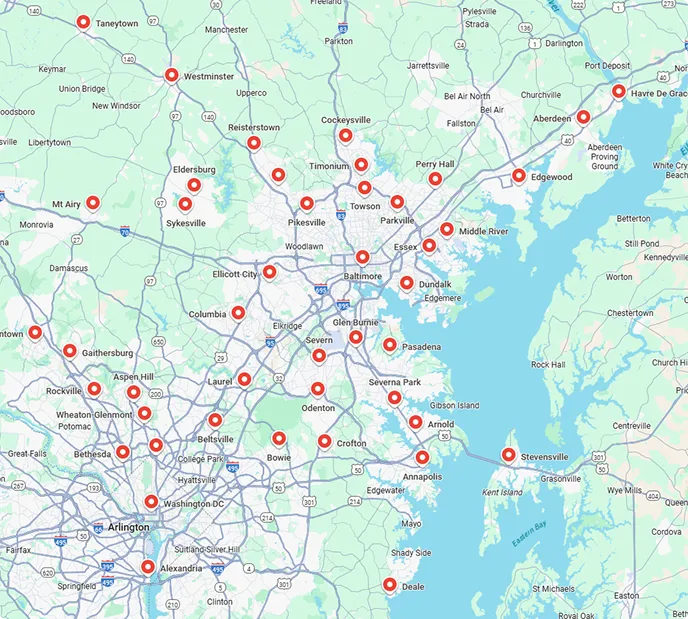
Service areas