



Sewer Cleanout in Towson, MD
Sewer backups are a homeowner's nightmare—messy, disruptive, and a real threat to your home's health and functionality. When you need a sewer cleanout service in Towson, MD, **Tario HVAC** steps in to properly identify blockages, clear mainline obstructions, and assess your pipe's condition. Our goal is to give you a lasting solution, not just a quick fix. Homes in Towson often face unique risks: think older clay or cast-iron pipes, mature tree root intrusion, and heavy seasonal storms that can easily overwhelm aging systems. We're here to help you understand common causes, explore diagnostic methods like camera inspections, and discuss effective clearing and repair options along with preventative maintenance specifically designed for Towson properties.
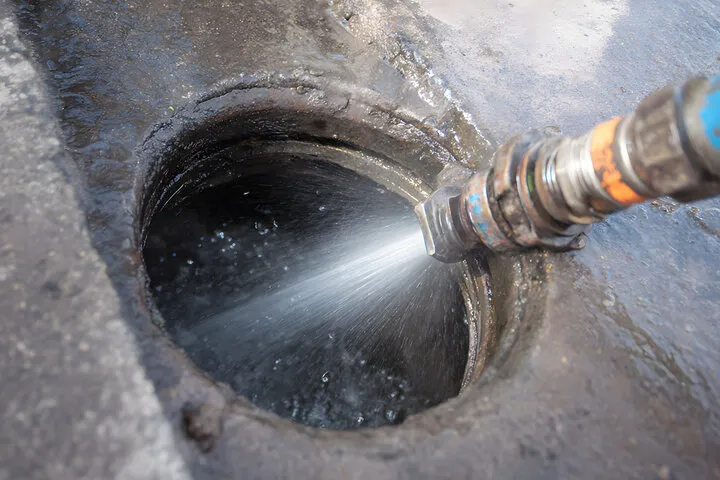
Why Sewer cleanouts matter in Towson homes
Older neighborhoods around Towson often have original lateral lines and shared systems that are more susceptible to root penetration, corrosion, and sediment build-up. During heavy rainfall, increased ground saturation can shift pipe bedding and expose joints to failure. A functioning sewer cleanout provides safe access to the mainline, lets pros locate the blockage quickly, and reduces the chance of repeated backups that lead to structural damage and mold growth.
Common sewer cleanout issues in Towson, MD
- Root intrusion: Mature trees common in Towson yards send roots through hairline cracks seeking moisture, often causing partial or full blockages.
- Grease and buildup: Household fats, oils, and scale accumulate over time and narrow the pipe diameter.
- Broken or collapsed pipe: Corrosion, shifting soils, or freeze-thaw cycles can fracture older clay or cast-iron lines.
- Foreign objects and debris: Non-flushable items, heavy sediment, and construction debris can lodge in lateral lines.
- Offset joints and bellies: Settling soil can create low spots where solids collect, leading to repeat clogs.
- Storm-related inflow: High groundwater and stormwater infiltration can overload systems and push blockages toward homes.
Diagnostic process: camera inspections and locating blockages
A clear diagnosis prevents unnecessary digging and ensures the right repair method:
- Visual camera inspection: A high-resolution sewer camera is run through the line from the cleanout to the sewer main to locate the blockage, check pipe material, identify root intrusion, and evaluate joint integrity.
- Sonde locating: If buried cleanouts or lateral lines need mapping, a transmitter (sonde) helps pinpoint the line’s depth and direction.
- Flow assessment: Technicians check how quickly water flows past the obstruction to decide if a partial cleanout or aggressive clearing is required.
- Damage documentation: Camera footage provides a record to determine whether relining, sectional repair, or replacement is needed.
Clearing methods and what each solves
- Mechanical snaking: Effective for hairline roots, small blockages, and localized obstructions in smaller-diameter pipes.
- Root cutting and milling: Specialized cutters remove roots from inside the pipe while preserving lining and clay structure when possible.
- Hydro-jetting: High-pressure water jets scour grease, biofilm, and sediment from the pipe interior and are especially useful for recurring clogs and large-diameter mains.
- Combination approach: Often snaking or root cutting is followed by hydro-jetting to restore full pipe diameter and flow.Each method is chosen based on the camera inspection to minimize damage and maximize longevity.
Repair and relining options for damaged pipes
When cleaning is not enough, repairs depend on the extent and location of damage:
- Trenchless pipe relining: A cured-in-place liner seals leaks and restores structural integrity without full-depth excavation, ideal for long segments of compromised pipe.
- Pipe patching: Localized defects or holes can often be patched from the inside, avoiding a full replacement.
- Pipe bursting or full replacement: For severely collapsed or heavily corroded lines, trenchless bursting replaces the pipe while minimizing yard disruption; open trenching may still be required where access or configuration dictates.
- Lateral reinstatement: Re-connecting or reinstalling house lateral connections at the main when misalignment or separation occurs.
Urgency guidelines and what to expect after an inspection
- Immediate response needed: Sewage backing up into the lowest drains, toilets overflowing, or strong sewage odors inside the home require urgent attention to prevent health hazards and property damage.
- Same-day service: After camera inspection, emergency clearing (snaking or hydro-jetting) is commonly scheduled same day when backup is active and accessible through the cleanout.
- Planned repairs: If relining or replacement is recommended, scheduling typically depends on permit requirements, scope of work, and seasonal constraints in Towson. Winter ground conditions can add complexity to outdoor excavations.
- Cost drivers (no pricing provided here): Material type, pipe length and depth, degree of damage, required permits, and accessibility influence the scope and timeline of repairs.
Preventative maintenance plans for Towson properties
Regular maintenance reduces the chance of major backups and extends pipe life:
- Annual or biennial camera inspections for older lines to catch early root intrusion or joint issues.
- Scheduled hydro-jetting every few years for households prone to grease buildup or mineral scaling.
- Root control strategies like targeted root cutting and chemical root treatment where allowed.
- Video documentation and maintenance logs to track changes over time and plan timely relining or replacement.
- Yard management: Replacing nuisance trees near lateral lines and installing root barriers can prevent re-infestation.
Emergency response steps for sewage backups (what to do immediately)
- Stop using water and appliances that drain to the sewer (toilets, sinks, washing machines).
- Avoid flushing toilets or running taps to limit additional sewage into the house.
- Isolate the affected area, keep children and pets away, and ventilate with windows if possible.
- Document damage with photos for insurance and repair planning.
- Do not attempt hazardous DIY sewage removal; professionals use proper protective equipment and disposal methods.
Benefits of timely sewer cleanout and maintenance
Timely diagnosis and maintenance protect your property value, prevent mold and structural damage, and reduce long-term repair costs. For Towson homeowners, addressing issues early is especially important due to older pipe materials and regional tree coverage that accelerate certain failure modes. A documented maintenance plan and camera records help make informed decisions about relining versus replacement and provide peace of mind that your sewer system is functioning reliably.
FAQ
Q: How does a camera inspection work and how long does it take?
A: A small camera is pushed through the sewer line from the cleanout; it transmits live video to identify blockages, cracks, or root intrusion. Most residential runs take 30 to 90 minutes depending on length and complexity.
Q: Will hydro-jetting damage my pipes?
A: When performed by trained technicians using the correct pressure and nozzle for the pipe material and condition, hydro-jetting is safe and restores flow without harming sound pipe. Pre-inspection ensures it is appropriate.
Q: How often should a sewer cleanout inspection be done in older Towson homes?
A: Older lines or properties with large trees should be inspected every 1 to 3 years; homes with recurring issues may require more frequent checks and proactive hydro-jetting.
Q: What signs indicate a pipe needs relining or replacement rather than cleaning?
A: Repeated collapses, major corrosion, offset joints, bellies where solids settle, or large holes observed on camera usually indicate relining or replacement is necessary.
Q: Are emergency repairs the same as permanent repairs?
A: Emergency repairs focus on clearing active backups to protect the home; permanent repair options like relining or replacement are recommended after full inspection when underlying damage is documented.
Q: Can tree roots return after removal?
A: Roots can regrow into damaged lines. Combining root cutting with periodic maintenance and, where feasible, planting modifications or root barriers reduces recurrence.

Service areas
