

Water Heater Repair in Owings Mills, MD
When your water heater fails, it interrupts daily routines and creates safety risks. In Owings Mills, MD, where cold winters and moderately hard water increase wear on storage water heaters, prompt, knowledgeable water heater repair from Tario HVAC keeps showers hot, prevents property damage, and maintains energy efficiency. We can explain common symptoms, how tank-style units are diagnosed, typical repairs, guidance on repair versus replacement, what affects cost, routine maintenance, and what to do in an emergency—all focused on the realities of Owings Mills homes.
.webp)
Common water heater problems homeowners see in Owings Mills
- No hot water — Complete loss of hot water can be an electrical, gas supply, or ignition issue.
- Insufficient hot water — Tank capacity, failed heating element, or thermostat problems are common causes.
- Leaking tank or fittings — Corrosion, failed valves, or loose connections can cause visible leaks and water damage.
- Strange noises — Popping or rumbling usually indicates sediment buildup on the tank bottom, common where water hardness is higher.
- Discolored or rusty water — A failing anode rod or internal corrosion can cause brown/red water.
- Frequent cycling or high energy bills — Thermostat or sediment problems reduce efficiency and raise operating cost.
Diagnostic steps for tank-style water heaters
Homeowners can safely check a few things, but full diagnosis should be done by a qualified technician.
Homeowner checks
- Verify breaker position for electric units or that the pilot/ignition is lit on gas units.
- Confirm thermostat setting (recommended 120°F) and check any digital displays.
- Inspect visible plumbing connections, valves, and the area around the tank for leaks.
Professional diagnostic process
- Visual inspection for corrosion, rust, and leaks around the tank, fittings, and pressure relief valve.
- Test thermostats, heating elements, and wiring on electric tanks with a multimeter.
- Inspect pilot assembly, thermocouple, gas valve, and ignition system on gas units.
- Drain a portion of the tank to assess sediment level and examine drain valve condition.
- Pressure and temperature relief (T&P) valve testing for proper operation.
- Check anode rod condition to evaluate internal corrosion risk.
Technicians in Owings Mills will factor local water quality and seasonal demand in their diagnosis—sediment and mineral scale are common contributors to impaired performance here.
Common repairs and what they involve
- Thermostat replacement or calibration — Restores correct temperature control and prevents short cycling.
- Heating element replacement (electric tanks) — A failed element leaves part or all of the tank without heat; elements are accessible and replaceable.
- Pilot assembly, thermocouple, or gas valve service (gas tanks) — Fixes ignition and combustion control problems that cause no-hot-water conditions.
- Pressure relief valve replacement — A leaking or stuck T&P valve is a safety issue and should be replaced.
- Drain valve repair or replacement — Leaky drain valves allow slow escapes of water and can be replaced quickly.
- Anode rod replacement — Extends tank life by preventing internal corrosion; recommended when significantly depleted.
- Sediment removal / tank flushing — Restores efficiency and reduces noise caused by scale; often combined with element inspection.
Repair versus replacement: how to decide
Consider repair when:
- The unit is relatively new and the problem is isolated (heating element, thermostat, or valve).
- No signs of internal corrosion or tank leaks exist.
- The repair restores reliable operation and efficiency.
Consider replacement when:
- The water heater is near or beyond its typical lifespan and problems are recurring.
- The tank is corroded or actively leaking, which indicates imminent failure.
- You need better energy efficiency, different capacity, or to upgrade fuel type or venting to meet current codes.
Local factors in Owings Mills that influence the decision include water hardness (which accelerates sediment-related wear) and winter usage patterns. Replacing an aging unit can reduce emergency repairs and improve year-round performance in this climate.
What affects expected costs
While exact figures vary, the main cost drivers are:
- Type of repair (minor component swap versus major component or tank replacement).
- Unit age, brand, and energy source (gas vs electric).
- Accessibility of the tank and any required plumbing or venting modifications.
- Local permitting or code compliance needs for replacements.
- Additional upgrades such as new insulation, expansion tanks, or water treatment to address hard water.
Discussing these factors with a technician will clarify whether repair or replacement is the more economical long-term choice for your Owings Mills home.
Maintenance recommendations to extend life and efficiency
- Flush the tank annually to remove sediment and reduce noise and inefficiency.
- Inspect or replace the anode rod every 2 to 3 years, sooner if water is very hard.
- Test the pressure and temperature relief valve yearly.
- Keep the thermostat at 120°F for safety and efficiency; lower settings reduce scale buildup.
- Insulate exposed hot water pipes and consider a tank wrap in older installations.
- If hard water is present, consider a whole-house water softener to reduce scale and extend heater life.
- Schedule routine professional inspections, especially before cold weather increases demand.
Emergency service and immediate steps to take
If you encounter a significant leak, loss of hot water with gas smell, or suspect a dangerous malfunction:
- For leaks: shut off the cold-water supply valve to the tank and isolate electrical power at the breaker or shut off the gas supply if safe to do so. Contain water to limit damage.
- If you smell gas: evacuate the area, avoid flipping switches, and call emergency gas services. Ventilate if safe.
- If electrical components are wet or there are sparks, do not touch the unit; shut off power at the breaker if accessible.
- If you have no hot water and suspect a gas issue (pilot out, smell, or venting problem), do not relight the pilot yourself if unsure—have a professional evaluate combustion safety.
Emergency repair options are important in Owings Mills, where cold snaps can make hot water essential; rapid response limits damage and restores safe operation.
FAQs
Q: How long does a water heater repair typically take?
A: Minor repairs like replacing a thermostat, heating element, or valve are often completed in a few hours; more extensive repairs or replacements can take longer depending on access, parts availability, and whether any plumbing or venting upgrades are required.
Q: Can I safely repair my water heater myself?
A: Homeowners can perform basic checks (breaker, pilot light, thermostat setting) but should not attempt electrical or gas component repairs without proper training and tools. For safety and code compliance, professional service is recommended.
Q: How long do tank-style water heaters usually last?
A: Lifespan depends on maintenance and water quality. With regular flushing and anode rod checks, many tanks last a decade or more; lack of maintenance and hard water reduce service life.
Q: How often should I flush my water heater?
A: Flush the tank at least once a year, and more often if you have hard water or notice sediment-related noise or reduced performance.
Q: What are the signs my tank needs replacing rather than repairing?
A: Persistent leaks, widespread internal corrosion, frequent failures, rusty water, and age near or beyond expected lifespan all point toward replacement as the more practical option.
Q: Is emergency repair available for weekend or night failures?
A: Emergency support is commonly available; if you face a dangerous condition like a major leak or gas smell, prioritize safety steps (shutoff and evacuation) and arrange emergency service.
Timely, expert water heater repair in Owings Mills, MD prevents damage, restores comfort, and helps you make the right decision between repair and replacement given local water conditions and seasonal needs. Regular maintenance tailored to area water quality significantly extends the life and efficiency of your water heater.

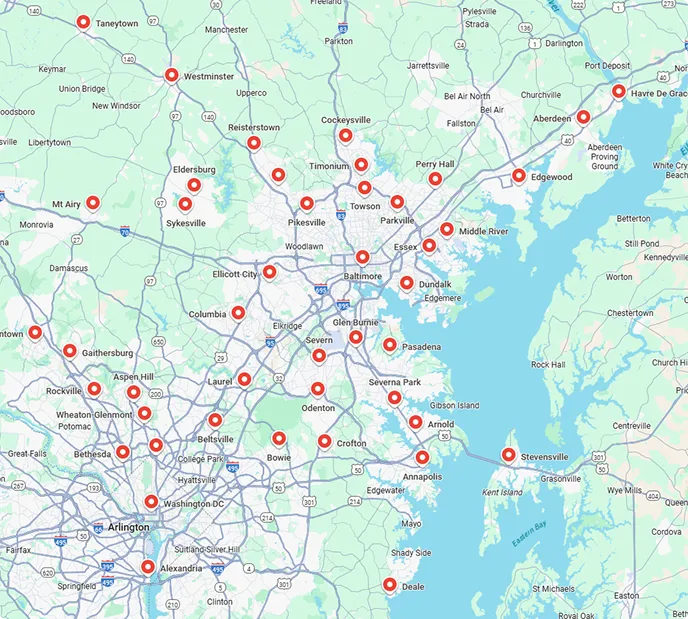
Service areas