

Sump Pumps in Owings Mills, MD
Basement flooding and water infiltration are common concerns for Owings Mills, MD homeowners, especially during heavy spring and summer storms. Proper sump pump installation, timely repairs, and routine maintenance from Tario HVAC are your most effective defenses against basement damage, mold growth, and costly equipment replacements. We'll walk you through sump pump options, installation requirements, battery backup and alarm choices, and seasonal care, focusing on the flood-prevention and warranty considerations that matter most for Owings Mills homes.
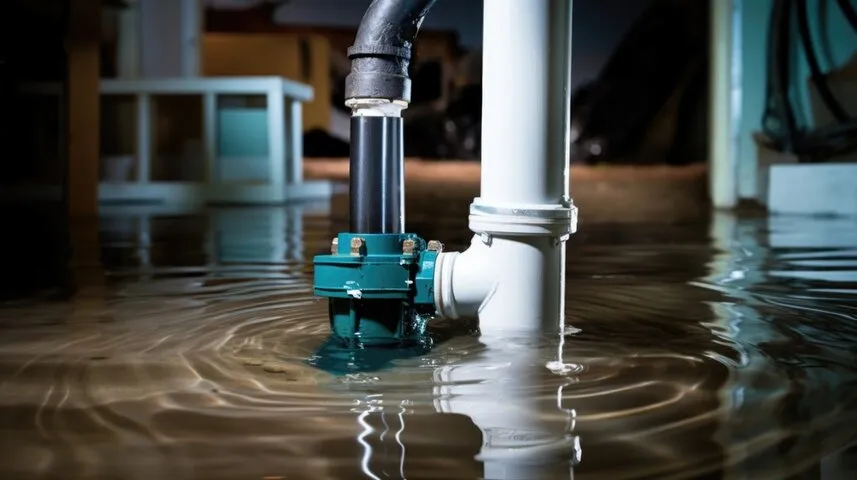
Why Sump Pumps matter in Owings Mills, MD
Owings Mills neighborhoods face a mix of clay and loam soils and seasonal high-precipitation events that increase the risk of groundwater seepage and surface runoff into basements and crawl spaces. A well-sized, properly installed sump pump system:
- Prevents standing water that damages finishes, mechanical systems, and stored belongings
- Reduces mold and mildew risk in humid Maryland conditions
- Preserves structural integrity by keeping foundation walls drier
- Provides peace of mind during storm seasons and power outages when paired with backup systems
Types of pumps: Submersible vs. Pedestal
Compare common options to match performance, noise tolerance, and maintenance needs.
- Submersible pumps
- Installed inside the sump pit, motor sealed against moisture
- Quieter and generally more powerful and efficient
- Better for deeper pits and spaces with frequent pumping needs
- Slightly higher initial cost and can be harder to service without pulling the unit
- Pedestal pumps
- Motor mounted above the pit with a long shaft and impeller at the bottom
- Easier to access for repairs and often lower cost
- Louder and more visible; motor is more exposed to humidity
- Best for cleaner pits and lighter-duty applications
For Owings Mills properties prone to heavy seasonal water, many homeowners choose submersible pumps for performance and quieter operation, sometimes paired with a pedestal unit as a backup.
Battery backup systems and alarm options
Storm-related power outages are a major cause of sump system failure. Battery backups and alarms provide critical redundancy.
- Battery backup systems
- Use a 12V deep-cycle or sealed AGM battery to operate a small pump or power a secondary pump when AC power fails
- Runtime depends on battery capacity and pump draw; typical setups provide several hours but can be extended with larger battery capacity or dual-battery configurations
- Automatic transfer switches engage backups when primary power is lost
- Generator-integrated options
- Transfer to a home generator can run primary pumps for extended periods during prolonged outages
- Alarms and remote monitoring
- High-water alarms sound when water reaches a critical level
- Remote monitoring and Wi-Fi alarm modules can notify homeowners offsite, useful for frequent travelers or rental properties
Combining a primary AC pump with a battery backup and a high-water alarm is common in Owings Mills to handle short power interruptions and fast storm pulses.
Pit sizing and installation requirements
Proper pit size and installation are essential for reliability.
- Typical basin dimensions
- Common sump basins are 12 to 18 inches in diameter and 18 to 30 inches deep; final dimensions depend on pump size, float clearance, and expected inflow
- Larger pits reduce cycling and increase capacity during heavy inflow
- Discharge and piping
- Discharge piping is commonly 1 1/4 to 2 inches in diameter; route away from foundation to prevent re-entry
- Install a vertical drop and avoid low points where water can collect; protect exterior discharge from freezing in winter
- Check valves and controls
- A reliable check valve prevents discharged water from returning to the pit and causing short cycling
- Dedicated electrical circuit with GFCI protection and adherence to local code is required for safety
- Permitting and code compliance
- Discharging to sanitary sewers is typically restricted; systems should meet local Baltimore County and state plumbing and building regulations
Common problems, diagnostics, and repairs
Understanding symptoms helps target repairs quickly.
- Pump won’t run
- Check power, circuit breaker, GFCI, and float obstructions
- If battery backup fails, test battery voltage and connection integrity
- Short-cycling (rapid on/off cycles)
- Usually caused by incorrect float adjustment, small pit capacity, or check valve leakage
- Continuous running
- Could indicate a stuck float, open check valve allowing recirculation, or excessive ground water inflow
- Noisy operation or vibration
- Debris in the impeller, worn bearings, or uneven pit mount
- Clogged discharge or frozen outlet
- Clear clogs and insulate external pipe portions to prevent freeze during Maryland winters
Timely maintenance and correct diagnosis reduce emergency repairs and extend pump life.
Testing and seasonal maintenance
Regular checks keep systems ready for Owings Mills storm seasons.
- Monthly
- Pour water into the pit to confirm pump activation and proper shutoff
- Inspect the float and float path for obstructions
- Quarterly
- Test battery backup under load; inspect battery terminals for corrosion
- Check alarm operation
- Annually
- Clean the pit and remove debris, sediment, and grit
- Inspect and test check valves, discharge lines, and electrical connections
- Consider professional inspection before spring rains and after hurricane season
Battery replacement is commonly needed every 3 to 5 years depending on usage and battery chemistry; keep records of tests and replacements.
Flood-prevention benefits and warranties
A correct system reduces property damage and long-term costs.
- Benefits
- Protects HVAC equipment, utilities, and belongings in basements
- Prevents mold remediation expenses and structural repairs
- May influence homeowner insurance assessments where flood-prevention measures are documented
- Warranties
- Manufacturer warranties vary by model; common ranges are 1 to 5 years for pumps and 1 to 3 years for batteries
- Workmanship warranties for installation can differ; verify coverage for labor and parts
When evaluating systems, review both product and installation warranty terms to ensure comprehensive protection.
FAQs
Q: How do I know if my basement in Owings Mills needs a sump pump?A: Indicators include frequent dampness, standing water after storms, musty odors, past flood incidents, or a high local water table; properties with below-grade mechanical systems or finished basements especially benefit from a sump system.
Q: Which pump type is best for Owings Mills homes?
A: For frequent or heavy-water conditions common here, a sealed submersible pump offers quieter, more reliable performance; a pedestal pump may be suitable for lighter-duty or easily accessible pits.
Q: How often should I test my sump pump and battery backup?
A: Test the primary pump monthly with a water test and check battery backups quarterly; perform a full professional inspection annually and before high-risk seasons.
Q: What size sump pit do I need?
A: Typical basins range 12 to 18 inches in diameter and 18 to 30 inches deep; final sizing should match the pump, float clearance, and expected inflow rate assessed at installation.
Q: Can I run my sump pump during a power outage?
A: Only if you have a battery backup, generator hookup, or water-powered backup; battery backups provide hours of runtime depending on battery size and pump draw.
Q: What regular maintenance prevents premature pump failure?
A: Monthly water tests, pit cleaning annually, check valve inspection, battery testing and timely replacement, and verifying float freedom and electrical connections all help extend pump life.

Service areas