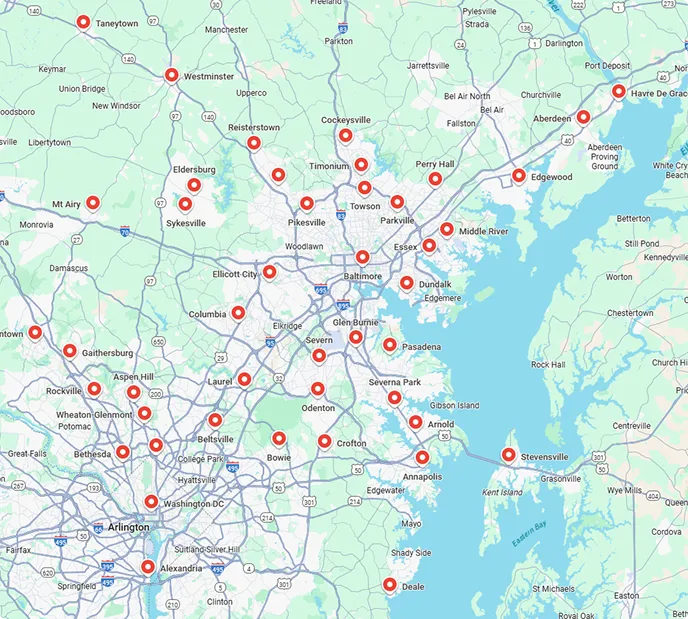


Water Heater Repair in Deale, MD
Keeping reliable hot water is essential for comfort and day to day tasks in Deale, MD. Salt air, seasonal demand swings, and moderately hard water in the Chesapeake Bay region create specific wear patterns on water heaters. Tario HVAC helps homeowners understand common electric and gas water heater problems in Deale homes, how our technicians diagnose and repair them, what to expect from repairs and emergency service, and provides practical preventative maintenance and warranty considerations to extend equipment life.
.webp)
Why prompt Water Heater repair matters in Deale
Loss of hot water or persistent leaks can cause property damage, increase energy use, and interrupt household routines. In coastal Deale, external corrosion and faster anode depletion are common, so addressing problems early reduces the chance of sudden tank failure and costly water damage. Timely repair restores efficiency and safety for both electric and gas units.
Common water heater problems in Deale, MD
- No hot water
- Electric: tripped breaker, failed heating element, faulty thermostat.
- Gas: pilot outage, faulty thermocouple, gas control valve failure.
- Insufficient heat or short hot water supply
- Sediment buildup reducing tank capacity and element efficiency, failed dip tube, undersized unit for household demand.
- Leaks
- Loose plumbing connections, failing pressure relief valve, corroded tank bottom, tank seam failure.
- Pilot light or ignition problems (gas units)
- Pilot will not stay lit, intermittent ignition, or weak flame due to burner blockage.
- Strange noises or banging
- Sediment hardening on the bottom of the tank causing popping and reduced heat transfer.
- Rapid corrosion in coastal environments
- External rust and accelerated anode consumption from salt air exposure.
How we inspect and diagnose water heater problems
Inspections focus on safety, identifying the root cause, and recommending the most durable solution. Typical diagnostic steps:
- Visual inspection of the unit, venting, and nearby plumbing for corrosion, leaks, and improper clearances.
- Safety checks: confirm power is off for electric units, confirm gas shutoff and inspect combustion for gas units.
- Thermostat and heating element testing with multimeter for electric heaters.
- Pilot assembly, thermocouple, gas valve, and burner inspection for gas heaters.
- Water tests for pressure and temperature, and inspect the dip tube and sacrificial anode.
- Check TPR (temperature and pressure relief) valve operation and drain valve condition.
- Evaluate sediment level by partially draining the tank if safe and practical.
- Diagnostic summary that explains cause, repair options, and recommended timeline for service.
Diagnostics emphasize minimal disruption while giving clear options: repair components, improve efficiency, or replace the tank when repair is no longer reliable.
Typical repair and replacement procedures (what to expect)
- Heating element replacement (electric)
- Drain the tank to below the element, replace element gasket and element, refill, and test.
- Thermostat replacement and calibration
- Swap faulty thermostat, set temperature to recommended levels, and confirm proper cycling.
- Thermocouple, pilot, and gas valve service (gas)
- Clean or replace thermocouple and pilot assembly; inspect and replace gas control components if needed.
- Sediment flush and dip tube replacement
- Flush tank to remove sediment, replace dip tube to restore cold water flow to the tank bottom.
- Pressure relief valve replacement
- Replace TPR valve and test operation to ensure safe pressure management.
- Leak repair vs tank replacement
- Minor source leaks (connections, valves) are repaired. Tank leaks from corrosion typically require replacement because internal failure is likely to recur.
- Anode rod replacement
- Inspect and replace sacrificial anode to extend tank life, especially important in Deale due to coastal corrosion risk.
Repairs focus on restoring safe, efficient operation and recommending replacements when parts fail repeatedly or the tank is compromised.
Emergency hot water repairs and safety steps
Emergency conditions include major leaks, no heat in cold weather, or gas smell. Safe immediate actions:
- For leaks: shut off the cold water supply to the tank and power source.
- For gas smell: do not operate electrical switches, ventilate the area, and shut off the gas supply at the meter if safely accessible.
- For no heat in cold months: check breakers and pilots; prolonged outages may require expedited service to prevent frozen pipes.
Emergency service prioritizes safety, temporary mitigation (shutoffs, isolation), and fast diagnostics to stabilize the home before permanent repairs.
Preventative maintenance tailored to Deale homes
Routine maintenance reduces failure risk and improves efficiency. Recommended schedule:
- Annual inspection and flush to remove sediment and check components.
- Anode rod inspection every 12 to 24 months in coastal installations; replace as needed.
- Test and exercise the TPR valve annually.
- Check for external rust and venting issues twice a year.
- Consider a water softener or scale control if hard water is present to protect heating elements and reduce sediment.
- Insulate exposed hot water pipes and tank surfaces to reduce heat loss and recovery time during cold snaps.
- For seasonal or vacation properties: winterize by draining and shutting off water if the home will be unoccupied for extended periods.
These steps extend service life and improve energy usage.
Warranty and service guarantee considerations
- Parts warranty: replacement parts commonly carry manufacturer warranties. Keep records of part numbers and installation dates.
- Workmanship guarantee: reliable services provide a defined workmanship warranty period that covers installation-related failures.
- Documentation: request written descriptions of repairs performed, replaced parts, and any recommended follow up.
- Proactive recommendations: in coastal areas like Deale, expect advisories for more frequent anode replacement and corrosion inspections; document these in service records to support warranty claims when applicable.
Maintaining a history of inspections and repairs helps with warranty coverage and decision making when evaluating repair versus replacement.
Q: How long will a typical repair take?
A: Most common component repairs such as replacing elements, thermostats, or valves are completed in a few hours. More extensive work like tank replacement requires a half day to a full day depending on access and plumbing changes.
Q: Can a leaky water heater be repaired or must it be replaced?
A: Minor leaks at fittings, valves, or the drain can often be repaired. Leaks from the tank itself due to corrosion or seam failure are usually signs that replacement is the most reliable option.
Q: How often should a Deale home flush its water heater?
A: Annual flushing is recommended, and more often if you notice sediment, noisy operation, or reduced capacity. Coastal homes may benefit from more frequent checks due to faster anode consumption.
Q: Is it safe to relight the pilot on a gas heater if it goes out?
A: Follow the manufacturer instructions on the unit. If you smell gas, do not relight; instead follow safety steps to ventilate and shut off the gas. If you are unsure, a professional diagnostic is recommended.
Q: Will regular maintenance reduce my energy bills?
A: Yes. Removing sediment, replacing failing heating elements or thermostats, and maintaining correct temperatures all improve efficiency and lower energy use over time.

Service areas