

Sump Pumps in Deale, MD
Keeping basements and crawlspaces dry is essential in Deale, MD, where coastal weather, a high water table, and heavy seasonal rains increase basement flooding risk. Tario HVAC provides professional sump pump installation, replacement, and repair to ensure your home manages groundwater and storm runoff reliably. We address common problems, guide you through sizing and pit installation, discuss backup and alarm choices, and offer routine testing and maintenance plans to prevent basement flooding, along with emergency repair procedures and typical warranty considerations tailored to Deale homes.
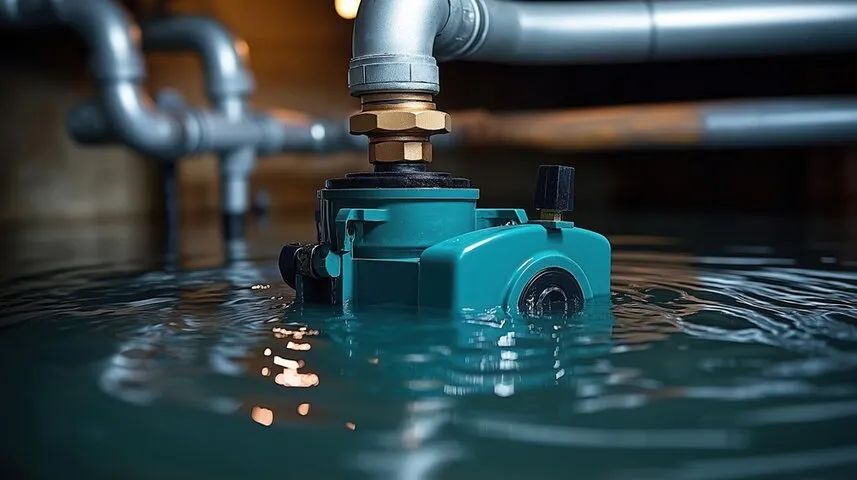
Why a Sump Pump matters in Deale, MD
Deale sits near the Chesapeake Bay, meaning homes experience higher groundwater levels, periodic tidal influence, and intense rain events during tropical systems or Nor'easters. These conditions make a working sump pump more than a convenience: it is a primary defense against water intrusion, mold growth, structural damage, and electrical hazards in below-grade spaces. Salt air and humid conditions also increase mechanical wear, so material selection and maintenance matter.
Common sump pump issues in Deale, MD
Homeowners in the area commonly face:
- Float switch failures from debris or corrosion causing pumps to not start.
- Power outages during storms that disable primary pumps without a backup.
- Clogged intake screens and pit buildup from silt and leaves from saturated soil.
- Corroded components due to salt-laden air in coastal neighborhoods.
- Frozen discharge lines in late winter that prevent proper outflow.
- Oversized or undersized pumps that short-cycle or fail to move needed volume.
Recognizing these early helps prevent basement flooding and costly repairs.
Types of pumps and how they differ
Understanding pump types helps choose the right solution for your property needs.
- Pedestal pumps
- Motor sits above the pit with a long shaft to the impeller.
- Easier to service and usually less expensive.
- Best for shallower pits or when submersible access is difficult.
- More exposed to humidity and salt air risk.
- Submersible pumps
- Motor is sealed and designed to sit inside the pit.
- Quieter, more powerful, and better for deeper pits and higher flow demands.
- Generally more resistant to clogging and more space efficient.
Consider local conditions: submersible units are often preferred in Deale because they handle higher inflow rates from groundwater and are better sealed against humid, salt-influenced air.
Battery backup and alarm options
Storm-driven power outages are common during coastal storms. Adding a battery backup and alarm system provides layered protection.
- Battery backup systems
- Provide temporary pumping capacity when grid power fails.
- Battery capacity and inverter sizing determine runtime; choose based on expected outage duration.
- Regular battery testing and replacement cycles are essential.
- Alarm systems
- Float-activated alarms alert when water reaches a set level in the pit or when the primary pump fails.
- Some alarms link to remote monitoring systems; others are audible-only.
- Alarms are inexpensive insurance that lets you act before water escapes the sump.
Choosing the right combination depends on risk tolerance for power loss and how quickly you can respond during storms.
Recommended sizing and pit installation
Proper sizing and a correctly installed pit are critical to pump performance.
- Sizing considerations
- Match pump capacity to inflow rates: consider soil type, depth to groundwater, roof runoff, and sump pit recharge rate.
- Avoid undersizing (won't keep up) or oversizing (short cycling and wear).
- Pit installation basics
- Pit diameter and depth should allow the pump and float switch to operate without obstruction.
- Install a durable, corrosion-resistant pit liner and a secure, vented cover.
- Locate discharge plumbing to carry water away from foundation and avoid re-entry due to high tides or saturated ground.
- Include a check valve to prevent water from returning to the pit between cycles.
Local installers often recommend routed discharge to daylight above high tide lines and away from neighboring properties.
Testing and maintenance plans to prevent basement flooding
Routine maintenance dramatically reduces failure risk. A practical plan for Deale homes includes:
- Monthly checks
- Inspect pit for debris and remove sediment.
- Manually lift the float to ensure the pump starts and stops properly.
- Verify the discharge line is clear and directing water away.
- Quarterly tasks
- Test battery backup by running the pump on battery power for a short period.
- Check the check valve and discharge fittings for leaks or corrosion.
- Annual professional inspection
- Clean the pit and intake screens, inspect impeller and seals.
- Measure amp draw and flow to assess pump health.
- Replace worn float switches, seals, or bearings before failure.
- Confirm compliance with any local code or permit requirements.
Record maintenance dates and any parts replaced to support warranty claims and to track service intervals.
Emergency repair procedures
If you suspect imminent flooding, act quickly and safely:
- Check power: ensure the pump is plugged in and that the circuit breaker has not tripped.
- Inspect the float switch for debris or entanglement; gently free it if obstructed.
- Look for visible blockages in the pit and discharge line; clear if safe to do so.
- If the pump does not run but power is present, do not attempt complex repairs; power to a wet environment is hazardous.
- For immediate water removal, a portable wet/dry vacuum or a temporary external pump can reduce risk until a full repair is arranged.
- Arrange for emergency service from a licensed technician if basic checks do not restore operation.
Safety note: avoid standing in floodwater near electrical equipment; prioritize turning off power at the breaker if water is rising around electrical boxes.
Typical warranties and what to expect
Warranties vary but understanding typical coverage helps set expectations.
- Manufacturer warranties
- Most pumps come with a manufacturer warranty covering defects in materials and workmanship, commonly from one to several years depending on model and brand.
- Battery backups and electronics may carry separate warranty terms.
- Installation or workmanship warranties
- Many installers provide limited warranties on labor and installation for a specified period after service.
- Warranties rarely cover damage from neglect, improper maintenance, or acts of nature, so following recommended maintenance is essential.
Always register equipment with the manufacturer, keep receipts, and document maintenance to streamline any warranty claims.
Final considerations for Deale homeowners
Given Deale’s coastal exposure and higher groundwater potential, choosing the right sump pump setup and maintaining it regularly reduces flooding risk and long-term repair costs. Emphasize corrosion-resistant materials, consider battery backup for storm season, and establish a routine maintenance schedule to keep your system dependable when you need it most.
FAQ
Q: How often should I test my sump pump?
A: Test the pump monthly by lifting the float to ensure it starts and stops correctly; run a battery backup test quarterly and schedule an annual professional inspection.
Q: Do I need a submersible pump in Deale, MD?
A: Submersible pumps are commonly recommended in Deale due to their higher capacity, quieter operation, and better sealing against humid, salt-influenced conditions; however, property specifics can make a pedestal pump appropriate in some cases.
Q: What causes a sump pump to stop working during a storm?
A: Common causes include power outages, float switch jamming, clogged intake or discharge lines, tripped breakers, and battery backup failure.
Q: How long do sump pump batteries last?
A: Battery life depends on usage and type; typical sealed lead-acid batteries used in backups often need replacement every 3 to 5 years under normal conditions.
Q: Will my homeowner insurance cover basement flooding?
A: Coverage varies by policy and cause of flooding; review your policy terms for groundwater or sewer backup coverage and keep maintenance records to support claims.

Service areas