

Water Heater Repair in Columbia, MD
A failing water heater can disrupt daily routines fast. In Columbia, MD homes, fluctuations in seasonal use and local water conditions make timely water heater repair from Tario HVAC essential to restore comfort, prevent property damage, and avoid higher replacement costs. We'll explain how to recognize common signs of tank-style water heater failure, describe what a professional diagnostic looks like, detail typical repairs and timelines, discuss safety considerations, emergency options, and provide practical maintenance and warranty/financing information tailored to Columbia homeowners.
.webp)
Common signs of Water Heater failure in Columbia, MD
Recognizing problems early reduces repair scope and cost. Watch for:
- No hot water or very limited hot water
- Inconsistent temperature (hot one minute, cold the next)
- Visible leaks around the tank, fittings, or drain valve
- Strange noises (popping or rumbling from sediment buildup)
- Discolored or rusty water from the hot tap
- Smell of gas or pilot light problems on gas units
Columbia’s seasonal cold snaps increase demand during winter, and many local households dealing with moderately hard water may experience more sediment-related issues, which show up as noise, reduced efficiency, and early element failure.
Typical diagnostic steps for tank-style heaters
A structured diagnostic isolates the root cause without unnecessary replacements:
- Visual inspection of tank, pipes, and T&P (temperature and pressure) valve for leaks and corrosion
- Verify power source: check electrical breakers for electric units or gas supply and pilot/ignition for gas units
- Test thermostat settings and perform a continuity test on heating elements (electric)
- Assess pilot light, thermocouple, gas control valve, and ignition assembly (gas)
- Check for sediment buildup by inspecting the drain for cloudy discharge; test dip tube condition if cold water is mixing
- Measure output temperature and recovery rate to confirm performance issues
A thorough diagnostic typically takes 45–90 minutes depending on accessibility and whether multiple components need testing.
Common repairs for tank-style water heaters
After diagnosis, common repairs include:
- Thermostat replacement or recalibration — fixes incorrect temperature control
- Heating element replacement (electric models) — restores heating capacity
- Dip tube replacement — resolves premature cold water mixing and short hot water supply
- T&P valve replacement — addresses leaks or pressure relief failures
- Anode rod replacement and sediment flush — combats corrosion and extends tank life
- Pilot assembly, thermocouple, or gas control valve repairs (gas units) — resolves ignition and gas supply issues
- Drain valve replacement or tank patching — for localized drips, although significant tank corrosion often requires replacement
Most standalone component repairs are straightforward. An element or thermostat swap is usually complete in 1–2 hours; more involved tasks like replacing a dip tube, flushing heavy sediment, or installing a new gas control can take 2–4 hours.
Estimated costs and timelines
Cost ranges depend on parts, labor, and the specific issue. Typical ballpark ranges for Columbia, MD homeowners:
- Minor electrical or thermostat repairs: low-to-mid hundreds
- Heating element replacement or dip tube replacement: mid hundreds
- T&P valve, drain valve, or anode rod replacement: low-to-mid hundreds
- Gas control valve or ignition assembly repair: mid-to-high hundreds
- Complete tank replacement (if required): higher range depending on capacity and installation complexity
Repairs usually complete same day for simple fixes; more complex jobs or parts orders may extend to 1–3 business days. Emergencies can sometimes be addressed the same day depending on technician availability and part stock.
Safety considerations
Safety is critical with water heater repair. Important precautions:
- If you smell gas, evacuate immediately and contact the gas utility—do not operate electrical switches or appliances
- For electric units, turn off the breaker before inspecting or touching components
- Shut off the water supply and drain the tank before performing repairs that require opening the system
- Ensure proper venting and combustion air for gas units to prevent carbon monoxide risks
- Always allow hot water components to cool before working to avoid scald injuries
These practices reduce risk during both diagnostics and repair, and they help prevent secondary damage to surrounding floors and walls.
Emergency repair options and immediate steps
In urgent situations—active leak, no hot water during winter, or suspected gas leak—take these steps:
- For leaks: shut off the cold water inlet to the tank and place a bucket under the leak; open a hot water tap to relieve pressure
- For electrical hazards: switch off the circuit breaker feeding the heater
- For gas concerns: evacuate and report the odor to the gas company; do not attempt to relight pilot or operate the unit
- Consider temporary alternatives: electric kettle, point-of-use electric heater, or using municipal or gym facilities for hot water while repairs are scheduled
Emergency response times vary. Many Columbia-area service providers offer after-hours or same-day emergency response for life-safety or major water damage risks.
Maintenance tips to extend service life
Regular care prevents most common failures and stretches the life of a tank-style water heater:
- Flush the tank annually to remove sediment; more often if water hardness is high
- Check and replace the anode rod every 3–5 years depending on corrosion rate
- Set temperature to 120°F to reduce scald risk and lower energy use
- Insulate exposed hot water pipes and the tank (if not already factory-insulated)
- Test the T&P valve annually for proper operation
- Install a water softener or targeted filtration if your home has hard water to reduce mineral buildup
Consistent maintenance can add years to a tank’s service life and improve efficiency—especially important in Columbia where seasonal demand spikes occur.
Warranty, financing, and scheduling information
Warranty: Most manufacturer warranties on tank water heaters cover the tank and key components for a term that commonly ranges from 3 to 12 years for the tank and shorter for parts; labor warranties from repair shops typically run 30 days to 1 year. Always check the original manufacturer paperwork and any extended service plans for specifics.
Financing: For larger repairs or replacement, homeowners often use in-home financing plans with HVAC/ plumbing lenders, unsecured personal loans, or credit options offered by service providers. Financing terms and availability vary; reviewing multiple options before committing is prudent.
Scheduling: Diagnostic appointments usually take 1 hour in-home. Simple repairs are often completed same day if parts are in stock; more complex repairs requiring special parts may take 1–3 days. Emergency service scheduling depends on provider availability and the severity of the issue.
Frequently asked questions (FAQs)
Q: How long does a typical water heater repair take in Columbia, MD?
A: Most straightforward repairs (elements, thermostats, valves) take 1–3 hours. More complex fixes or parts orders can extend to 1–3 business days.
Q: Can I flush my tank myself to reduce noise and improve performance?
A: Yes, homeowners can perform a basic tank flush by shutting off power/gas, connecting a hose to the drain valve, and flushing until clear. For heavy sediment or corrosion concerns, professional flushing is safer.
Q: When is replacement better than repair?
A: Replacement is usually recommended when the tank is heavily corroded, leaks are from the tank shell, repair costs approach the value of a new unit, or the unit is near the end of its expected life (typically 8–12 years for tank heaters).
Q: Is it safe to relight a pilot light on a gas water heater?
A: If you smell gas, do not relight and evacuate the home. If there is no odor and you are comfortable following the manufacturer’s relight instructions, it can be relit safely; otherwise, have a qualified technician handle it.
Q: How much can routine maintenance save me?
A: Regular maintenance improves efficiency, reduces emergency repairs, and can extend tank life by several years—potentially saving hundreds to thousands over time compared with premature replacement.
Q: Do warranties cover damage from hard water or lack of maintenance?
A: Manufacturer warranties generally do not cover damage caused by poor maintenance or normal mineral/sediment buildup. Keeping records of annual maintenance helps preserve warranty rights.

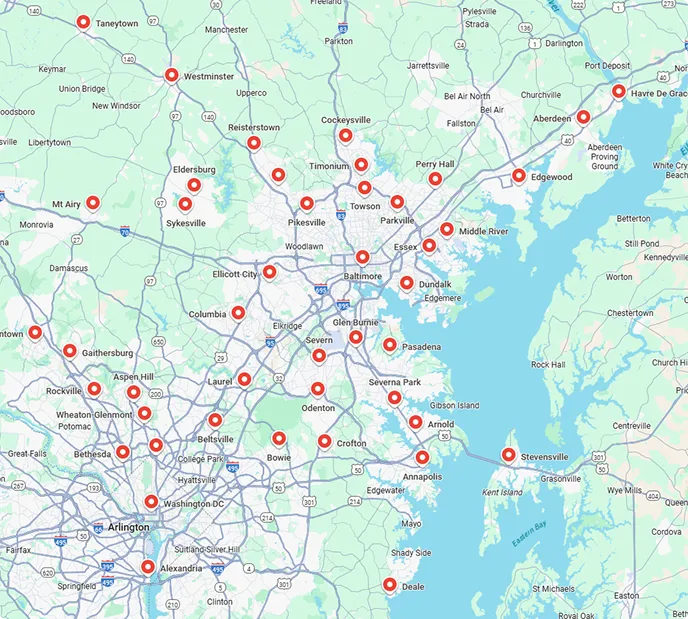
Service areas