



Sump Pumps in Columbia, MD
In Columbia, MD, a reliable sump pump is arguably one of the best defenses against basement flooding and crawlspace moisture. Our humid summers, heavy spring storms, and even occasional tropical remnants can all elevate groundwater levels, putting Columbia homes at a higher risk of water intrusion. Proper sump pump installation, timely replacement, and routine repair are crucial for protecting finished basements, stored belongings, HVAC equipment, and maintaining good indoor air quality by preventing standing water and mold. **Tario HVAC** can walk you through service options, common issues specific to Columbia homes, inspection and maintenance plans, typical installation steps and timelines, emergency response considerations, seasonal preparedness tips, and what to expect regarding warranties.
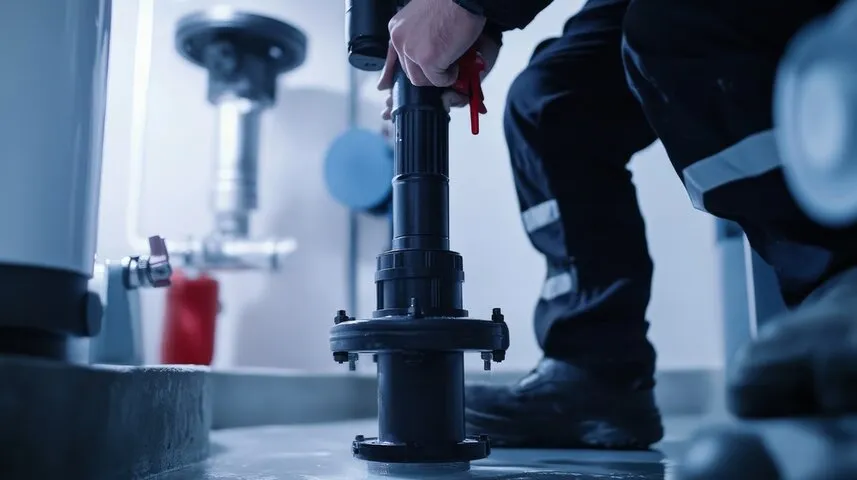
Common Sump Pump problems and service types
Homeowners in Columbia commonly need one or more of the following services:
- New sump pump installation for basements and deep crawlspaces where a pit will collect groundwater.
- Sump pump replacement when motors fail, units are outdated, or capacity no longer meets a property’s needs.
- Repair and troubleshooting for failed motors, jammed or stuck float switches, clogged discharge lines, or broken check valves.
- Battery-backup and secondary systems: installation and testing of battery backup or water-powered backup units to protect against power outages during storms.
- Basin cleaning and debris removal to restore reliable float operation and prevent premature pump failure.
- Inspection and maintenance plans including seasonal checks and annual professional inspections.
Diagnosing the problem: what technicians check
When assessing a sump pump issue, expect a straightforward diagnostic process:
- Inspect the sump basin for debris, sediment, or scale that could impede the float.
- Test the float switch and motor by manually lifting the float to verify activation.
- Check the discharge line for blockages, frozen segments, or improper slope.
- Verify the check valve position to prevent pump cycling and backflow.
- Evaluate pump capacity relative to local groundwater rise and property drainage needs.
- Confirm electrical supply, GFCI protection, and condition of battery backup systems if present.
These diagnostic steps identify whether repair, replacement, or an upgraded system is the right solution for your home.
Primary vs battery-backup systems: pros and tradeoffs
- Primary (electric) sump pumps are the baseline solution for continuous removal of groundwater when power is available. They are efficient and cost-effective for households with reliable power.
- Battery-backup sump pumps provide critical protection during power outages that often accompany severe storms. They run off a dedicated battery and should be sized and tested regularly to ensure runtime during extended outages.
- Water-powered backups use municipal water pressure to operate when electricity fails. They do not need batteries, but performance depends on water supply and local codes.
In Columbia, where storm-related power interruptions are possible, a primary pump paired with a battery-backup or water-powered secondary unit significantly reduces flood risk.
Typical installation procedures and timelines
A standard installation or replacement generally follows these steps:
- Site assessment to confirm pit location, discharge options, and clearance needs.
- Preparation and any concrete coring if an existing slab must be penetrated.
- Basin placement and leveling, pump sizing and assembly, and float switch configuration.
- Electrical hookup to a dedicated circuit with GFCI protection.
- Discharge piping routing with proper slope and check valve installation to prevent backflow.
- System testing under simulated high-water conditions and final cleanup.
Typical timeline:
- Standard replacement in an existing pit: most jobs are completed within 3 to 6 hours.
- New installations that require excavation or slab work: often 1 day, sometimes 1 to 2 days depending on access and complexity.
- Battery-backup or secondary system add-ons: usually a few additional hours for mounting, connections, and battery setup.
Permits may be required depending on the scope and local code; planning for permit timelines can affect the schedule.
Inspection and maintenance plans
Routine maintenance extends pump life and keeps protection reliable:
- Monthly: visually inspect the pit, remove debris, and run the pump to verify activation.
- Quarterly: test battery backup systems and clean vented battery enclosures.
- Annually: professional inspection to check motor amperage draw, float switch operation, check valve condition, discharge integrity, and electrical safety.
- After major storms: inspect for sediment buildup, displaced discharge piping, or malfunction following high flow events.
A documented maintenance plan helps identify issues before they become failures and can be important for insurance or warranty considerations.
Emergency response and typical repair actions
During active flooding or pump failure, immediate remedies minimize damage:
- Deploy temporary pumps to remove standing water and reduce pressure on foundations.
- Clear discharge lines and remove debris from the basin to restore normal operation.
- Replace failed motors, floats, or check valves when repair is not feasible.
- Dry and dehumidify affected spaces to prevent mold growth and secondary damage.
Expect emergency technicians to prioritize water removal, secure a temporary pumping solution if needed, and present options for permanent repairs or upgrades.
Cost considerations and factors that influence price
Instead of specific figures, focus on the factors that determine cost:
- Unit type and capacity: higher flow rates and heavy-duty motors cost more.
- Backup systems: battery or water-powered backups add equipment and labor.
- Complexity of installation: excavation, slab cutting, or long discharge runs increase labor and materials.
- Permits and code compliance: local requirements can add time and fees.
- Accessibility and required electrical work: hard-to-reach pits and new circuit work raise labor costs.
Understanding these factors helps homeowners compare quotes and align system choices with risk exposure.
Seasonal preparedness for Columbia homes
Columbia’s seasonal patterns create predictable preparation steps:
- Spring and storm season: test pumps and backups before the high rainfall period; clear gutters and downspouts to reduce surface runoff into basements.
- Late summer and hurricane remnants: ensure discharge lines are clear and secure; verify battery backups are fully charged.
- Winter: protect exposed discharge lines from freezing by insulating or adding heat trace where permitted; periodically run pumps to ensure float freedom.
- Year-round: maintain positive grading away from the foundation and keep landscaping and irrigation directed away from the house.
These seasonal actions reduce the chance of unexpected failures when storms hit.
Warranty and reliability expectations
Manufacturer warranties vary by model and typically cover defects for a limited term. Standard motor and component warranties commonly range from 1 to 5 years depending on brand and model. Workmanship warranties from service professionals may cover installation-related issues for a defined period. Recording maintenance and registering equipment with the manufacturer often preserves warranty coverage and simplifies future service.
FAQs
Q: How often should a sump pump be replaced?
A: Most sump pumps last 5 to 10 years depending on usage, water conditions, and maintenance. Heavy sediment, frequent cycling, or increased demand from changing groundwater patterns can shorten lifespan.
Q: Is a battery-backup necessary in Columbia, MD?A: Battery-backup is strongly recommended for homes at risk of flooding, especially in Columbia where storms can cause power outages during heavy rains. It provides protection during the most vulnerable times.
Q: How long does an installation usually take?
A: Replacing an existing sump pump typically takes half a day. New installations that require excavation or slab work can take a full day or longer depending on complexity.
Q: What maintenance is included in inspection plans?
A: Typical maintenance covers basin cleaning, float and motor testing, discharge line checks, check valve inspection, backup battery testing, and a written report with recommended repairs.
Q: Can a sump pump cause high electric bills?
A: Running a properly sized sump pump only during high-water events has minimal impact on utility costs. A pump that cycles frequently due to poor drainage or a failing float will increase energy use and should be addressed.
Q: What should I do during a sump pump failure in a storm?
A: Prioritize water removal with temporary pumps or wet vacuums, protect valuables, and start drying the area. If safe, clear visible debris in the basin. Professional emergency services can provide temporary pumping and permanent repairs to prevent further damage.

Service areas
