

Water Heater Repair in Bowie, MD
A failing water heater disrupts daily life fast. In Bowie, MD homes, the combination of cold winters, humid summers, and variable water hardness increases wear on both tank and tankless systems. Tario HVAC can guide you on how to recognize when a water heater needs repair, what our technicians check during diagnostics, common fixes, safety inspections, realistic timelines, maintenance steps to extend system life, and what to expect for emergency service and warranty coverage — all tailored for Bowie residents.
.webp)
Why prompt Water Heater repair matters
No hot water or an intermittently working heater is more than an annoyance. Untreated problems can lead to higher energy bills, more costly breakdowns, or water damage from leaks. In Bowie, where winter demands can push systems harder, early diagnostics and repairs preserve comfort and help avoid midwinter failures.
Common water heater problems in Bowie homes
- No hot water at all (electric or gas)
- Inconsistent temperature or short hot-water runs
- Visible leaks around the tank, fittings, or pipes
- Strange noises from the tank (popping, rumbling) from sediment buildup
- Discolored or metallic-smelling water indicating corrosion or anode depletion
- Pilot light issues or burner problems on gas units
- Scale buildup and reduced flow on tankless units, especially with harder local water
Diagnostic steps - tank water heaters
Technicians follow a methodical approach to pinpoint issues:
- Visual inspection for leaks, rust, and obvious damage around the tank and plumbing connections.
- Confirm power or gas supply and check circuit breakers, fuses, or gas valves.
- Measure temperature at the faucet and thermostat setting to identify thermostat or element failures.
- Listen for unusual noises; popping usually indicates sediment buildup needing flushing.
- Test the temperature and pressure (T&P) relief valve for proper operation.
- Check the sacrificial anode rod and interior condition if tank access is possible.
- For gas systems, inspect pilot light, thermocouple, and burner operation.
These steps identify whether the issue is repairable or if replacement is more economical given the unit age and condition.
Diagnostic steps — tankless water heaters
Tankless systems have different failure modes and checks:
- Scan diagnostic codes on the unit’s control panel to narrow causes.
- Check inlet and outlet water filters for debris.
- Test flow sensors and ignition components on gas-fired units.
- Inspect heat exchanger for scale buildup, especially after hard water exposure.
- Verify proper gas pressure and venting for combustion safety.
- Confirm electrical supply and control board function for electric tankless models.
Tankless units in Bowie are vulnerable to mineral scale if not on a water softener or without regular descaling.
Common repairs explained
- Heating element replacement (electric tanks): Faulty elements are a frequent cause of no hot water. Replacing elements is a straightforward repair when the tank interior is in good condition.
- Thermostat replacement or recalibration: Incorrect settings or failed thermostats cause inconsistent temperatures.
- Pressure and temperature relief valve service: A leaking or stuck T&P valve is a safety hazard and must be repaired or replaced.
- Leak repairs: Minor leaks can be repaired at pipe fittings, inlet/outlet connections, or valves; tank ruptures typically require replacement.
- Sediment flush and anode rod replacement: Flushing removes sediment that causes noise and reduces efficiency. Replacing a spent anode rod prevents corrosion and extends tank life.
- Gas control, pilot, and burner repairs: For gas units, issues with ignition or burners are common and repairable when venting and gas supply are intact.
- Heat exchanger descaling and sensor or control board replacement on tankless units: Scale management and electronic component repair restore performance on many models.
Safety checks technicians perform
- Confirm gas connections and venting are secure and meet safety standards.
- Test T&P relief valve operation and check for deposits or blockages.
- Verify electrical connections and grounding on electric systems.
- Inspect for signs of overheating, corrosion, or structural tank weakness.
- Ensure combustion air supply and carbon monoxide safety measures are proper for gas heaters.
Safety checks are essential before any repair is completed to protect occupants and property.
Estimated timelines and cost factors
Timeframes depend on the problem and unit type:
- Basic diagnostics usually take 30 to 90 minutes.
- Common repairs like element or thermostat replacement, valve swaps, or flushing often are completed in 1 to 3 hours.
- Complex work such as heat exchanger service, major leak repairs, or replacements can take several hours to a full day and may require scheduling based on part availability.
Cost is influenced by unit age, part availability, accessibility, whether the unit is gas or electric, and whether the repair uncovers hidden damage. In Bowie, older homes with aging tanks or hard-water conditions may require more extensive service. For tankless systems, descaling frequency and control board replacement can be significant cost factors.
Maintenance recommendations to extend service life
- Annual inspection and flushing for tank systems to remove sediment and check the anode rod.
- Regular descaling for tankless units, typically every 6 to 12 months depending on local water hardness.
- Install or maintain a water softener or point-of-entry filtration if mineral content is high to reduce scaling and corrosion.
- Test T&P relief valve annually and replace when signs of wear appear.
- Keep the area around the heater clear for ventilation and access.
- Replace aging tanks proactively; most tanks approach end of useful life at around 8 to 12 years depending on maintenance and water quality.
Routine maintenance prevents emergency failures and helps units operate efficiently in Bowie’s seasonal climate.
Emergency repair service and warranties
Emergency service is important when leaks or loss of hot water threaten property or safety. Technicians should prioritize leaks that risk water damage, gas smell or suspected carbon monoxide, and total loss of hot water in freezing conditions. When arranging repairs, review the unit’s original manufacturer warranty and any extended warranties from installation. Warranty coverage can affect whether a repair or full replacement is recommended. Keep records of regular maintenance, as warranty claims often require proof of proper servicing.
Q: How can I tell if my water heater needs repair or replacement?
A: Look at age, frequency of repairs, water discoloration, persistent leaks, rust on the tank, or frequent loss of hot water. A tank older than about 10 years or a tankless unit showing repeated failures may be better replaced than repeatedly repaired.
Q: How often should a tank water heater be flushed?
A: Flush at least once a year in Bowie to remove sediment; more often if you have hard water.
Q: Are tankless water heaters better for Bowie homes?
A: Tankless units provide on-demand hot water and can be more efficient, but require routine descaling in areas with mineral-rich water and may have higher upfront costs and specific venting needs.
Q: What immediate steps should I take if I find a leak?
A: Turn off the power to electric units or shut off the gas supply for gas units if you smell gas. Shut off the cold-water supply to the heater to limit water damage and arrange for service.
Q: Will maintenance reduce my energy bills?
A: Yes. Removing sediment, maintaining thermostats, and ensuring efficient burner or element performance keeps units operating closer to rated efficiency and reduces energy waste.

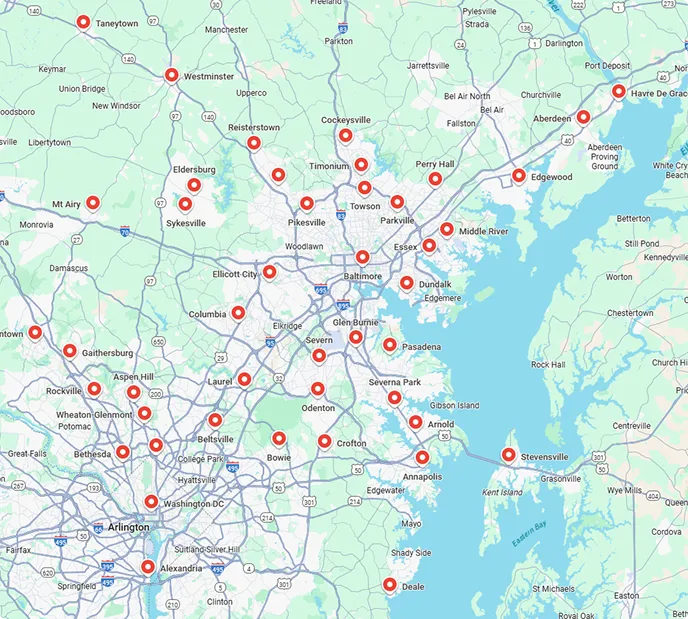
Service areas