

Sump Pumps in Bowie, MD
A reliable sump pump is one of the most effective defenses against basement flooding and water damage in Bowie, MD homes. With Mid-Atlantic weather patterns - spring thaws, heavy summer storms, and occasional hurricane remnants - properties here can face rapid runoff, high groundwater, and clogged exterior drains. At Tario HVAC, our professional sump pump installation, replacement, and repair services ensure your basement stays dry, your finished spaces are protected, and expensive structural or mold problems are avoided.
Common Sump Pump issues and service types
- New installation: Installing a properly sized primary pump and, when needed, a battery-backup or water-powered backup to meet your home’s risk profile.
- Replacement: Upgrading older or undersized pumps, switching to more energy-efficient or higher-capacity units, or adding redundancy.
- Repairs: Fixing motors, floats, impellers, check valves, or control switches after wear, clogging, or electrical failure.
- Battery-backup systems: Adding or replacing backup batteries, chargers, and inverter systems for power-outage protection.
- Sump pit construction and retrofit: Cutting and lining sump pits, installing pit covers, and creating correct pit depth and diameter for pump performance.
- Discharge and drainage work: Running discharge piping, installing check valves and air gaps, and choosing compliant discharge methods to prevent backup or icing.
- Alarm and monitoring systems: Installing high-water alarms, wireless notifications, or IoT-enabled monitoring to warn of pump failure or high water levels.
- Basement waterproofing integration: Coordinating sump pumps with interior perimeter drains, French drains, exterior drainage improvements, and dehumidification systems.
How technicians size systems and select units
Proper sizing balances flow (gallons per minute) and head (vertical lift) so a pump can move water from your lowest basement point to the approved discharge location. Technicians measure pit depth, calculate total head (vertical lift plus friction from piping), and estimate expected inflow during heavy storms. Selection criteria include:
- Pump type: submersible for quieter, enclosed operation vs pedestal for easy maintenance in shallow pits.
- Capacity: matching GPM and head to basement size and local groundwater risk.
- Durability: corrosion-resistant materials and mechanical seals for frequent use.
- Backup needs: battery-backed units with sufficient runtime or secondary pumps for redundancy.
- Energy and noise considerations for finished basements.
Technicians in Bowie will also recommend equipment based on local conditions: higher-capacity units in areas with a high water table, and backup systems in neighborhoods prone to power outages during storms.
Sump pit installation and discharge options
A correctly installed sump pit ensures pump longevity and reliable operation. Best practices include:
- Pit size and liner: using an adequately sized pit (diameter and depth) with a durable liner to prevent collapse and allow proper float movement.
- Pit location: lowest point in the basement or interior perimeter drain termination.
- Pit cover and access: sealed covers reduce humidity and odors; easy access for maintenance is maintained.
- Discharge routing: piping should direct water away from foundations to a safe point. Options include daylighting (to yard), connection to a storm sewer (where permitted), or a dry well. All discharge routes must comply with Prince George’s County and Bowie regulations and HOA rules.
- Check valves and freeze protection: installing one-way check valves to prevent backflow and insulating or routing lines to prevent freezing in winter.
Repair, replacement, and emergency response
When a pump fails, timely, skilled response prevents major damage. Typical emergency steps:
- Rapid diagnosis: checking power, breakers, float operation, impeller blockage, and discharge obstructions.
- Temporary mitigation: using temporary pumping or drain hoses to remove standing water.
- Onsite replacement or repair: swapping motors, floats, or entire pump assemblies when needed; replacing failed check valves and resealing pipe joints.
- Backup activation: ensuring battery backups or secondary pumps engage when primary units fail.
- Post-failure checks: verifying discharge clearances, testing alarms and backups, and recommending further waterproofing if repeated failures occur.
Technicians will prioritize safe, code-compliant repairs and provide clear explanation of causes (clogs, motor burnout, age, power loss), and durable solutions tailored to Bowie’s seasonal risks.
Maintenance plans and seasonal checks
Regular maintenance extends pump life and reduces emergency service calls. A comprehensive maintenance plan includes:
- Quarterly or annual inspections of pump operation, float movement, seals, and electrical connections.
- Battery checks and load testing for backup systems ahead of storm seasons.
- Cleaning the sump pit and removing debris, sediment, and buildup that can jam floats or impellers.
- Testing check valves and discharge lines to ensure water flows freely and doesn’t re-enter the pit.
- Alarm testing and monitoring system verification.
- Pre-winter checks to prevent freeze-related issues and pre-storm checks during hurricane season.
Technicians can schedule routine visits and provide inspection reports that document system condition and expected remaining service life.
Basement waterproofing integration and added protections
Sump pumps are most effective when combined with a broader waterproofing strategy:
- Interior perimeter drains channel water to the sump pit.
- Exterior grading and gutter/downspout management reduce runoff near the foundation.
- French drains and proper landscaping keep surface water away from the house.
- Vapor barriers and dehumidifiers help control moisture in finished basements.
- Alarms and remote monitoring add an extra layer of protection and peace of mind.
Integrating these elements creates a layered defense against water intrusion and mold growth common after repeated moisture events.
Timeline expectations and what to expect on-site
- Diagnostic visits typically last 30 to 60 minutes and identify immediate fixes or replacement needs.
- Repairs can often be completed the same day depending on parts and access.
- Standard installations and pit retrofits usually take a full day; more complex waterproofing integrations or multiple-pump systems may require two days or more.
- Backup system additions and alarm installs are usually shorter projects but include battery testing and verification.
Technicians will explain each step, required permits (if any), and regulatory considerations applicable in Bowie and Prince George’s County.
FAQ
Q: How often should I test my sump pump and backup system?
A: Test the pump and backup system monthly during high-risk seasons and at least quarterly year-round; do a full battery load test and pit cleaning annually.
Q: Do I need a battery backup or a secondary pump?
A: If your home is prone to power outages, frequent storms, or has a finished basement, a battery backup or redundant pump is strongly recommended for added protection.
Q: What causes a sump pump to fail?
A: Common causes include power loss, clogged intake, failed float switches, burned-out motors from frequent cycling, frozen discharge lines, and age-related wear.
Q: Can a sump pump discharge be routed to the street or storm drain?
A: Discharge options depend on local codes and HOA rules; many areas permit daylighting or storm sewer connections but require compliance with county regulations.
Q: How long does a sump pump installation take?
A: Typical installations take one day for a standard system; more extensive work like pit retrofits or integrated waterproofing can take longer depending on scope.

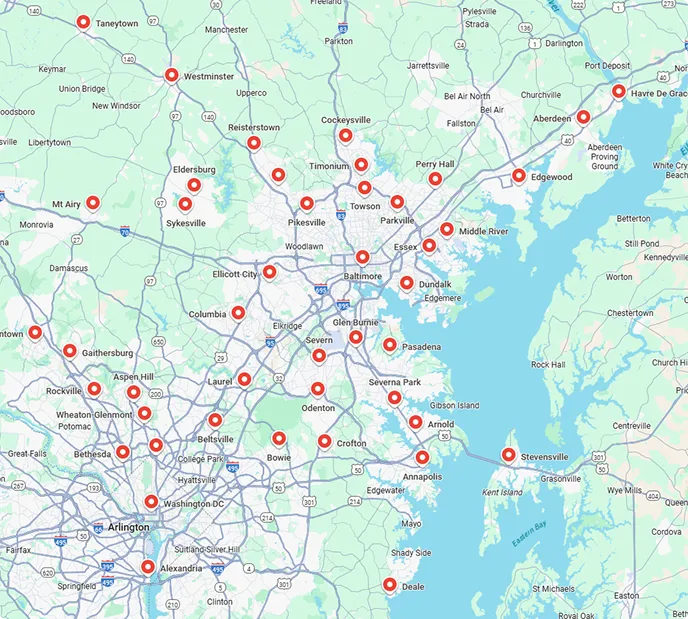
Service areas