

Water Heater Repair in Beltsville, MD
A failing water heater disrupts daily life fast. Whether you wake to no hot water on a cold Beltsville morning, hear banging from the tank, or find a slow leak under your unit, prompt and informed action prevents damage and restores comfort. At Tario HVAC, we can help you understand clear signs of water heater failure, explain how gas and electric units are diagnosed, outline common repairs, provide guidance on repair versus replacement, discuss typical timelines and cost ranges, review safety precautions, and clarify what to expect from emergency repairs specifically for Beltsville, MD homes.
.webp)
Recognize Common Water Heater issues in Beltsville homes
- No hot water at all. Often caused by a failed element, tripped breaker, or interrupted gas supply.
- Inconsistent temperature. Cold spikes or swings usually point to thermostat, dip tube, or sediment buildup.
- Slow recovery or not enough hot water. Common in colder months when incoming groundwater in the Mid Atlantic is colder and demand rises.
- Leaks at the tank or connections. Leaking at fittings can be repaired; a leaking tank usually means replacement.
- Strange noises - popping, rumbling, or banging. Mineral scale and sediment accumulation create noises and reduce efficiency.
- Discolored or foul-smelling water. Corrosion or bacterial issues can cause odor and discoloration.
- Pilot light or ignition failure on gas units. Drafts, bad thermocouple, or gas valve issues are common causes.
Beltsville’s seasonal temperature swings and mineral content in local water can accelerate scale and sediment issues. Homeowners who skip maintenance often see failures sooner.
Diagnostic checks for gas and electric units
Technicians follow a systematic checklist to identify the root cause:
- Confirm power and fuel supply. For electric units check breakers and wiring; for gas units confirm gas valve, pilot, and venting.
- Inspect thermostat settings and differential. A malfunctioning thermostat or wiring fault can cause inconsistent heat.
- Test heating elements and continuity with a multimeter on electric tanks.
- Evaluate pilot assembly, thermocouple, and ignition system on gas heaters.
- Check the temperature and pressure relief valve and overflow piping for leaks.
- Assess sediment levels by inspecting the drain and measuring recovery performance.
- Examine anode rod condition. A depleted anode accelerates tank corrosion.
- Look for signs of corrosion or hairline leaks on the tank shell; these typically require replacement.
Homeowners can safely check breakers, pilot light presence, and visible leaks. Anything involving gas lines, internal wiring, or tank penetration should be left to trained technicians.
Common repairs and what they involve
- Thermostat replacement. Quick swap on most electric models; restores temperature control when faulty.
- Heating element replacement. Electric elements are replaceable; process typically takes 1-3 hours.
- Pilot assembly, thermocouple, or gas valve repair. Common on gas units; fixes ignition or flame stability problems.
- Pressure relief valve replacement. Replaces a faulty safety device and prevents overpressure; usually a 30-90 minute job.
- Drain and flush to remove sediment. Improves efficiency and reduces noises; recommended annually or more in hard water areas.
- Anode rod replacement. Prevents corrosion; inspection and replacement can add years to a tank.
- Dip tube replacement. Restores hot water delivery to fixtures.
- Tank repair vs. replacement. Small fittings and elements are repairable; a leaking or heavily corroded tank usually needs replacement.
Typical timelines: most common repairs complete in 1-4 hours. Full tank replacement can require a half day to a full day depending on access, fuel type, and permitting.
Expected cost ranges (typical ballpark for Beltsville area): minor repairs and parts often fall in the lower hundreds, more involved part replacement in the mid hundreds, and full tank replacement can range from several hundred to a few thousand depending on capacity and whether you choose gas, electric, or tankless. These ranges vary by model and job complexity.
Repair vs replacement: how to decide
Consider replacement when any of the following apply:
- Age of the unit is 10 to 15 years or older.
- Active leak from the tank shell.
- Repeated repairs that cumulatively approach replacement cost.
- Poor efficiency raising energy bills, especially with higher winter demand in Beltsville.
- Significant corrosion on the tank interior or compromised anode rod.
Repair is reasonable when the issue is isolated (element, thermostat, valve) and the tank is otherwise in good condition. For homes with high mineral content in the water, consider options like upgrading to a higher-efficiency tank, adding a water softener, or evaluating a tankless system for long-term savings.
Safety considerations
- If you smell gas, evacuate the home and notify emergency services. Do not operate electrical switches or pilot lights.
- For electric units, shut off the breaker before inspecting or working near the tank.
- A leaking tank can cause major water damage. Shut off the cold water supply to the heater immediately and open a hot faucet to relieve pressure.
- Carbon monoxide risk is real with vented gas models. Symptoms such as headaches or dizziness warrant immediate inspection and detector checks.
- Never attempt internal gas or complex electrical repairs yourself. A licensed technician should handle gas valves, venting, and wiring.
Emergency repair services in Beltsville, MD
Emergency scenarios include sudden major leaks, complete loss of hot water in winter, or a suspected gas leak. Emergency responders typically isolate the fuel or power source, provide temporary fixes to prevent property damage, and assess whether a safe short-term repair or full replacement is required. Depending on availability and severity, response times may range from the same day to within 24 hours. Expect technicians to prioritize safety first: shutoff, containment, temporary heating alternatives, and an actionable repair plan.
Preventive maintenance tips for Beltsville homeowners
- Flush the tank annually to reduce sediment and noise.
- Check the anode rod every 2 to 3 years, more often with hard water.
- Set water temperature to 120 F to reduce scald risk and lower energy use.
- Insulate the first few feet of hot and cold pipes and consider a tank blanket for older heaters.
- Install or service carbon monoxide detectors if you have a gas unit.
- Schedule a professional inspection before winter to ensure reliable performance in colder months.
FAQs
Q: How long does a typical repair take?
A: Most common repairs such as replacing elements, thermostats, or valves take 1 to 4 hours; tank replacement may take half a day to a full day depending on complexity.
Q: Can I safely replace a heating element myself?
A: If you are experienced with electrical work and shut off power at the breaker, you can perform element replacement, but hiring a professional is safer and ensures proper testing and wiring.
Q: When should I replace rather than repair my water heater?
A: Replace when the unit is older than 10 to 15 years, the tank is leaking or corroded, or repair costs approach replacement cost. Frequent failures are also a sign to replace.
Q: Are tankless systems a good option in Beltsville?
A: Tankless systems offer continuous hot water and energy savings for some households, but initial cost and installation complexity are higher. Consider water quality and household hot water demand when evaluating.
Q: What immediate steps should I take if my water heater is leaking?
A: Turn off the cold water supply to the heater, shut off electricity or gas to the unit, open a hot water faucet to relieve pressure, and contain water to limit damage until a technician arrives.

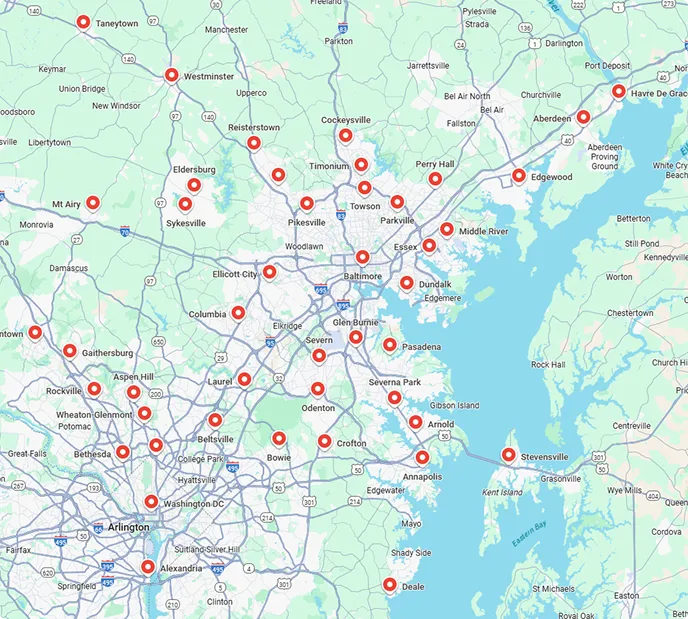
Service areas