

Tankless Water Heater Installation in Beltsville, MD
Upgrading to a tankless water heater in Beltsville, MD delivers immediate, practical benefits for homeowners who want more efficient hot water, space savings, and long-term reliability. In a region with hot, humid summers and cold winters, choosing the right tankless system means accounting for seasonal inlet water temperatures, local fuel availability, and Prince George’s County permit and inspection requirements. We'll walk you through what to expect during a professional tankless water heater installation from Tario HVAC, how to choose and size the right unit, code and site-prep considerations, maintenance needs, warranty differences, and how to estimate payback — all tailored to Beltsville homes.
.webp)
Why Choose Tankless in Beltsville
- Energy efficiency: Tankless units eliminate standby heat loss from a storage tank and deliver heat only when you need it, reducing overall energy used for water heating.
- Endless hot water: On-demand systems supply continuous hot water for simultaneous showers, laundry, and dishwashing when sized correctly.
- Space savings: Wall-mounted units free up basement, garage, or utility closet space — helpful in older Beltsville homes with limited mechanical room.
- Longer service life: Properly maintained tankless systems typically last longer than conventional tanks.
Common Tankless Water Heater types and local suitability
- Gas (natural gas or propane) tankless: Often preferred in Beltsville because of higher flow capacity and faster recovery; requires correctly sized gas piping and combustion venting or direct vent routing.
- Electric tankless: Simpler venting but may require significant electrical service upgrades in many homes; better suited for point-of-use or low-flow households.
- Condensing vs non-condensing gas units: Condensing models are more efficient and generate cooler exhaust that requires corrosion-resistant venting and a condensate drain.
Sizing and fuel-type selection
- Sizing is based on two factors: required flow rate (gallons per minute, GPM) during peak use and the temperature rise needed (difference between incoming ground/well water temperature and desired output temperature).
- Typical fixture flow rates to estimate peak GPM: shower (1.5–2.5 GPM), dishwasher (1–2 GPM), washing machine (1–2 GPM). Add simultaneous uses to determine peak demand.
- Consider colder winters in Beltsville: colder inlet water increases the required temperature rise, so you may need a higher-capacity unit or multiple units to maintain flow at winter temperatures.
- Fuel choice depends on existing infrastructure: homes already piped for natural gas usually get the best balance of performance and cost. Electric models avoid gas work but may need service panel upgrades.
Site preparation requirements for Beltsville homes
- Gas line: Verify existing gas capacity and piping size. Some installations require upgrades to meet the unit’s BTU demand.
- Venting: Determine whether the unit uses direct venting, power venting, or condensing venting. Condensing units produce acidic condensate and need an appropriate drain and corrosion-resistant venting materials.
- Electrical: Most gas tankless units need 120V for controls; electric models require dedicated high-amperage circuits and may demand a service panel upgrade.
- Water supply: Install inlet filters or sediment screens where the water quality requires it. Install isolation valves and a recirculation or tempering valve if needed.
- Physical clearances: Maintain manufacturer-recommended clearances from combustibles and ensure space for maintenance access.
Step-by-step installation process
- Site assessment and measurements: Confirm venting runs, gas capacity, water line routing, and clearances.
- Pre-install permit and plan: Submit required documents to local permitting authority if needed.
- Remove old system (if applicable): Properly disconnect and dispose of the old tank per local codes.
- Gas and electrical work: Upgrade or install gas lines and electrical circuits per unit specifications and code.
- Mount and connect unit: Secure the wall-mounted unit, connect water, gas, electrical, venting, and condensate drains as required.
- Safety devices and controls: Install pressure relief, expansion tanks, tempering valves, or recirculation pumps if part of the system design.
- Startup and performance testing: Leak testing, combustion analysis for gas models, flow testing to verify temperature rise and GPM, and teach-briefing on operating controls.
- Final inspection: Schedule and pass local building and gas inspections.
Permit and code considerations in Prince George’s County
- A building permit and gas permit are commonly required for fuel-burning equipment or major alterations. Installers must follow local plumbing, mechanical, and fuel gas codes.
- Manufacturers’ venting and clearances are enforceable through inspections; condensate disposal and backflow prevention may be addressed by local inspectors.
- Always ensure installations comply with county inspection requirements and that the installer files necessary documentation.
Maintenance needs and longevity
- Annual or biennial descaling/flush: Hard water in many Maryland areas can cause scale buildup; regular flushing with vinegar or a descaling solution keeps heat exchangers efficient.
- Filter and inlet screen cleaning: Check and clean sediment filters every few months if your water contains particulates.
- Combustion and vent checks: For gas units, periodic inspection for proper combustion and vent integrity prevents safety issues.
- Expected service life: With routine maintenance, tankless units often last 15–20 years. Warranties vary by model and part.
Cost factors and payback guidance (how to estimate)
- Upfront investment depends on unit type (electric, non-condensing gas, condensing gas), capacity, installation complexity (new gas line, venting modifications, electrical upgrades), and whether multiple units are needed.
- To estimate payback: calculate annual energy savings by comparing current water-heating energy consumption and the expected efficiency improvement of a tankless system. Then use:
- Payback years = (Installed cost minus rebates and incentives) divided by annual energy savings
- Key variables affecting payback: household hot water usage patterns, energy prices in Maryland, local incentives, and the difference in efficiency between your current tank and the new tankless system.
Available models and warranties
- Entry-level units: Often non-condensing gas or smaller electric models suitable for modest demand or point-of-use applications.
- Mid-range: Single high-capacity gas units with modulating burners and better heat exchangers for whole-house use.
- Premium condensing models: Highest efficiency, suited for homeowners prioritizing long-term energy savings and reduced environmental impact.
- Warranties: Heat exchanger warranties typically range from several years up to 10–15 years on higher-end models; parts warranties commonly range from 1–5 years. Check manufacturer specifications for exact coverage.
Financing and rebates for Beltsville homeowners
- Maryland and local utility programs periodically offer rebates or incentives for high-efficiency water heaters. Energy-efficiency loans and manufacturer financing can spread the cost of upgrades over time.
- Rebates often have eligibility requirements related to model efficiency, installation by licensed professionals, and proof of purchase and installation. Check current Maryland and Prince George’s County programs as part of your planning.
Benefits recap and practical tips for Beltsville homes
- Matching capacity to the colder winter inlet temperatures in Beltsville avoids performance shortfalls.
- Consider a whole-house condensing unit if you have high simultaneous demand and want the highest efficiency.
- Plan for water quality mitigation where hard water is present: a water softener or regular maintenance extends unit life.
- Keep documentation, manuals, and warranty registration in a safe place for inspections and future service.
Q: What size tankless water heater do I need?
A: Size by calculating your peak simultaneous hot water demand in GPM and the temperature rise needed in winter. Choose a unit whose rated GPM at the required temperature rise meets or exceeds your peak demand.
Q: Will I need a new gas line or electrical panel?
A: Possibly. Gas units require gas piping sized to the unit’s BTU input; electric models often need new high-amperage circuits. A site assessment will identify required upgrades.
Q: How often should a tankless unit be serviced?
A: Typically an annual or biennial flush and inspection is recommended, with more frequent attention in areas with hard water.
Q: Are there rebates for tankless water heaters in Beltsville?
A: Rebates and incentives vary by utility and state program. Eligible rebates typically require specific high-efficiency models and licensed installation. Check current Maryland and local utility incentive programs for details.

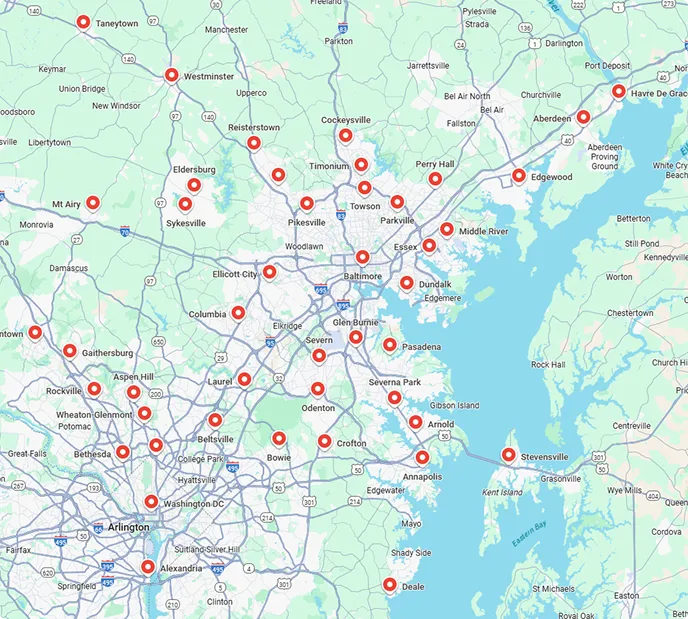
Service areas