

Water Heater Repair in Annapolis, MD
A reliable water heater is essential for comfort and health in Annapolis homes. Whether you have an older tank-style heater in a historic house near Ego Alley or a newer tankless model in a modern condo, problems like no hot water, inconsistent temperatures, leaks, and strange noises interrupt daily life and can cause property damage. At Tario HVAC, we understand these issues and can help you make an informed decision. We'll walk you through common symptoms, diagnostic steps, typical repairs and part replacements, expected timelines, safety and local code considerations, and maintenance recommendations tailored to Annapolis, MD homeowners.
.webp)
Common Water Heater problems in Annapolis homes
- No hot water or only lukewarm water — common for both electric and gas units.
- Inconsistent or fluctuating water temperature — could be thermostat, dip tube, or mineral buildup.
- Slow recovery — unit takes too long to reheat after use, often due to a failing heating element or sediment.
- Leaks from tank, valves, or connections — water at the base, pressure relief valve discharge, or plumbing joints.
- Strange noises — popping or rumbling often indicates sediment buildup; hissing can signal a leak or gas issue.
- Pilot light or ignition failures on gas models — pilot will not stay lit or electronic ignition fails.
- Discolored or rusty water — corrosion inside tank or failing sacrificial anode rod.
- Frequent cycling or short heating cycles — thermostat or control problems.
Annapolis-specific factors: older homes in the historic district often have aging water heaters and older pipe runs, and coastal humidity and salt air can accelerate metal corrosion. Water hardness in the region can increase sediment and scale buildup, reducing efficiency and lifespan.
Diagnostic steps technicians use
Diagnosis focuses on isolating the component causing the symptom and verifying safe operating conditions.
- Visual inspection: check for obvious leaks, corrosion, venting condition, and proper clearances.
- Confirm fuel and power: verify gas supply, pilot light or ignition status, or electrical breaker and voltage for electric units.
- Thermostat and control checks: measure tank temperature and test thermostat operation.
- Heating element tests (electric models): use a multimeter to test element continuity and resistance.
- Burner and flue inspection (gas models): examine burner flame quality, venting, and flue for combustion products.
- Pressure relief valve and drain checks: test TPR valve operation and examine drain valve for leaks.
- Sediment and anode inspection: check for heavy scale, sediment level, and condition of the sacrificial anode.
- Leak source tracing: determine whether leaks come from plumbing connections, tank seams, or valves.
Diagnostics in Annapolis may also include checking venting routes for condensation and ensuring vent terminations meet local placement practices common to older building layouts.
Common repairs and part replacements
- Thermostat replacement or recalibration for temperature control issues.
- Heating element replacement on electric water heaters.
- Burner, thermocouple, or ignition assembly repair or replacement for gas units.
- Pressure relief valve replacement and relief pipe repair.
- Drain valve replacement and full tank flush for sediment removal.
- Anode rod replacement to slow internal corrosion and extend tank life.
- Tank patching is rare and temporary; most tank leaks require tank replacement.
- Dip tube replacement when cold water mixes into hot supply.
- Tankless system descaling and replacement of faulty ignitors or flow sensors.
Parts chosen depend on model, age, and availability. For older units common in Annapolis historic homes, technicians often recommend replacing obsolete components with modern equivalents that meet current safety expectations.
Expected timelines and what affects repair duration
- Simple diagnostic and minor repairs (thermostat, element, valve) typically take a few hours.
- Gas burner or ignition system repairs and venting corrections may require half a day to a full day, depending on access and parts availability.
- Sediment removal and tank flushing usually take a few hours; severe scale can extend service time.
- Complex jobs like tank replacement, vent rework, or retrofit in tight historic spaces can take a full day or multiple days when permitting or additional plumbing work is needed.
Factors that affect timelines: unit location and accessibility in older Annapolis homes, parts availability for vintage models, extent of corrosion or damage, and whether additional plumbing or venting work is required to meet current code.
Safety and local code compliance
Safety is critical with both gas and electric water heaters. Key considerations include:
- Proper venting and combustion air for gas heaters to prevent carbon monoxide hazards.
- Correct electrical connections, grounding, and breaker sizing for electric units.
- Functioning temperature and pressure relief valve and correctly routed discharge piping.
- Installation clearances and seismic or strapping requirements where applicable.
- Using parts and techniques that comply with Maryland and Anne Arundel County codes and permitting when a replacement or major alteration is performed.
In Annapolis, many homes in older districts have unique venting and clearance constraints. Ensuring code compliance often requires an inspection of vent terminations, combustion air sources, and proper combustion product exhaust. When in doubt, follow local code requirements and have a qualified professional verify compliance.
Maintenance recommendations to extend service life
Regular maintenance reduces emergency failures and extends water heater life, especially in coastal and hard-water areas like Annapolis.
- Annual flush to remove sediment that reduces efficiency and causes noise.
- Replace the sacrificial anode rod every 2 to 5 years depending on corrosion rate.
- Test the temperature and pressure relief valve yearly.
- Inspect for signs of corrosion or leaks around fittings and the tank.
- Set temperature to a safe, efficient level (typically 120 F) to reduce scald risk and limit corrosion.
- For gas units, annual burner and flue inspection improves efficiency and safety.
- For tankless systems, regular descaling using manufacturer-recommended procedures, especially in hard-water zones.
These preventive steps are especially important in Annapolis where mineral content and coastal conditions can accelerate wear.
Emergency vs scheduled service expectations
Emergency service addresses active leaks, no hot water during extreme conditions, gas smell or suspected carbon monoxide, and other safety concerns that pose immediate risk. Emergency responses prioritize isolating hazards, stopping leaks, and restoring safe operation.
Scheduled service is appropriate for non-urgent issues: intermittent temperature problems, routine maintenance, planned part replacements, or efficiency upgrades. Scheduled visits allow for proper diagnostics, parts ordering when necessary, and coordination with building access in historic neighborhoods.
Prepare for any service visit by noting your heater model, age, recent symptoms, and whether you have an electric or gas unit. That information helps a technician diagnose more quickly and identify likely parts.
Age, condition, and frequency of repairs determine whether a repair or full replacement is the best option. Tanks older than 8 to 12 years with corrosion or leaking seams typically warrant replacement. Repeated part failures, poor efficiency, or costly repairs compared to replacement cost also favor replacement. In Annapolis, consider the constraints of historic homes, energy efficiency goals, and local climate when comparing repair or replacement options.
Frequently asked questions
Q: How can I tell if my water heater is leaking or a nearby plumbing joint is the problem?
A: Inspect the source of water when the unit is running and when cold. Leaks from tank seams or the base typically indicate tank failure. Leaks near valves or pipe connections are usually plumbing-related. Tracing the water path and drying the area before rechecking helps locate the origin.
Q: Is it safe to relight a pilot on a gas water heater if I smell gas?
A: No. If you smell gas, evacuate the area, ventilate if safe, and do not attempt to relight a pilot. A persistent gas smell or suspected leak is an emergency safety concern.
Q: How often should I flush my water heater in Annapolis?
A: Annually is a good baseline. If your home has hard water or heavy sediment, consider flushing every six months or installing a water softening solution to reduce scale buildup.
Q: Will replacing the anode rod stop rusty water?
A: Replacing a heavily corroded anode rod can reduce rusty water and slow tank corrosion. If the tank itself is rusted internally, replacement may be necessary.
Q: What should I have available for a scheduled repair visit?
A: Know the unit type (gas or electric), make and model, age, and a clear description of symptoms. Ensure access to the unit and any relevant basement or utility room keys to streamline diagnostics.

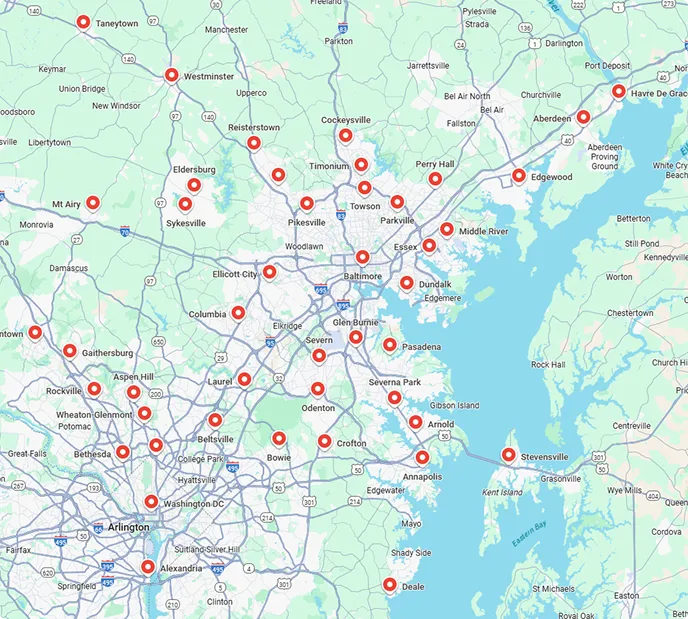
Service areas