



Sump Pumps in Annapolis, MD
Basement flooding is easily one of the most damaging and stressful problems an Annapolis homeowner can encounter. Given our coastal storms, high tides, and the naturally high water table in many neighborhoods, a correctly specified and well-maintained sump pump isn't just a luxury—it's essential for protecting finished basements, mechanical equipment, and your home's overall value. **Tario HVAC** offers a full range of sump pump services common to Annapolis homes, including installation, replacement, repair, and routine maintenance. We're here to help you navigate model choices, understand inspection procedures, troubleshoot issues, know the expected service life, consider warranty details, and take practical steps to reduce water intrusion.
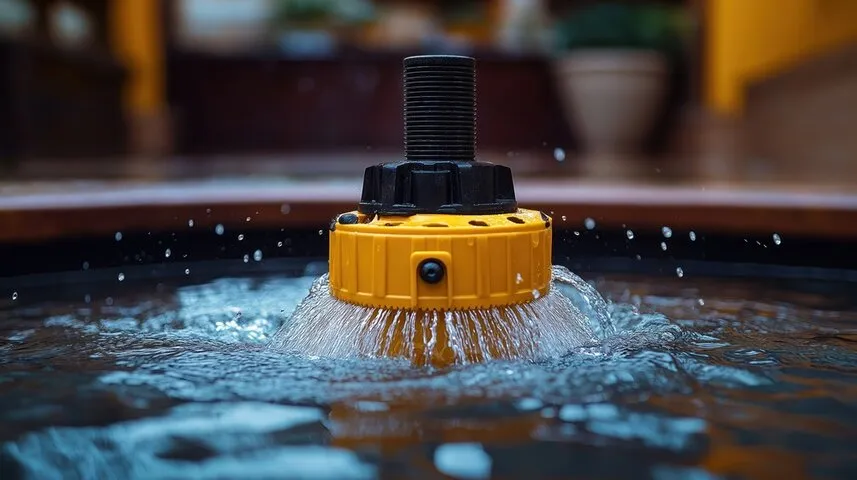
Why a Sump Pump matters in Annapolis, MD
Annapolis sees heavy rain events, nor’easter impacts, and occasional storm surge that can raise groundwater levels quickly. Many older homes have shallow foundations or basements that sit close to the water table. A sump pump keeps groundwater from accumulating in the pit and flooding your basement by ejecting water away from the foundation. In coastal conditions, choosing corrosion-resistant components and backup power is especially important because power outages often accompany storms.
Common sump pump services
- Installation: Sizing the pump to your home’s inflow rate and pit geometry, selecting discharge routing and check valve placement, sealing the pit and hooking up alarm systems or battery backup.
- Replacement: Upgrading an undersized or aging unit, switching from pedestal to submersible (or vice versa), adding backup power or a second pump for redundancy.
- Repair: Fixing electrical failures, replacing float switches, clearing clogs, repairing or replacing failed impellers, and addressing worn bearings or seals.
- Routine maintenance: Cleaning the sump pit, testing float operation, verifying discharge and check valve function, testing battery backups, and performing seasonal inspections.
Pedestal vs. submersible pumps and battery backup options
- Pedestal pumps: Motor sits above the pit and a long shaft extends to the impeller. Pros: easier to service without removing water, typically lower cost to repair. Cons: louder operation, exposed motor may be more vulnerable in humid coastal basements.
- Submersible pumps: Motor and impeller are sealed in a unit that sits inside the pit. Pros: quieter, more compact, generally higher flow rates and better for deeper pits. Cons: when service is needed the pit may need to be drained and the unit removed.
- Battery backup and alternate power: Battery backup systems power the pump during outages and are critical in Annapolis where storms can cut power. Options include sealed lead-acid batteries or lithium systems sized to run the pump for several hours, and water-powered or natural gas-driven backups where available.
Choose materials rated for wet, salty air when possible (stainless steel fasteners, coated motors) to reduce corrosion risks near the Chesapeake Bay.
Typical inspection and testing procedures
Regular inspections catch problems before they cause flooding. A technician or informed homeowner should perform the following:
- Visual check: Look for debris in the pit, corrosion on components, and secure discharge piping.
- Power check: Verify the pump is receiving dedicated power and that breakers and GFCI outlets are functioning.
- Float test: Manually lift the float or pour water into the pit to ensure the pump activates and shuts off correctly.
- Discharge test: Confirm water exits the discharge line freely and check the check valve to prevent backflow.
- Alarm and backup test: Trigger the high-level alarm and simulate a power outage to ensure the battery backup engages and sustains operation.Frequency: monthly quick checks by homeowners, and a full professional inspection annually or before storm season.
Troubleshooting common failures
- Pump does not run: Check power at the outlet, reset any tripped breakers or GFCI, inspect float for jamming, and test the motor. If the motor hums but does not pump, the impeller may be stuck or the motor may be failing.
- Runs continuously: Often caused by a stuck float, a failed check valve allowing recirculation, or the pump being undersized for high inflow. Clear floats, repair or replace the check valve, or upgrade pump capacity.
- Short cycling (rapid on/off): Usually due to an oversized pit with a small volume between off and on float levels, a misadjusted float, or a float switch wearing out.
- Noisy operation: Air trapped in the system, worn bearings, or loose mounting can cause noise. Submersible pumps are quieter; excessive noise often indicates impending failure.
- Failure during power outage: Either no backup installed or the backup battery is dead. Battery backups require regular load testing and periodic battery replacement.
When diagnosing, use safe electrical practices and avoid entering the pit unless trained. Many failures are resolved by replacing the float switch, clearing blockages, or installing a larger pump or secondary unit for redundancy.
Expected service life and warranty considerations
- Expected life: Typical service life ranges from about 5 to 15 years depending on model, workload, water quality, and maintenance. Submersible pumps often last around 7 to 12 years in average conditions; pedestal units can sometimes last longer with periodic servicing but may be more exposed to humidity-related issues.
- Life factors: Frequency of run cycles, sediment and debris in the pit, power stability, and proper sizing have the biggest impact.
- Warranties: Manufacturer warranties commonly range from 1 to 5 years for pumps; batteries typically 1 to 3 years. Extended warranty options and maintenance agreements can provide additional protection. Read warranty terms for requirements such as professional installation or annual inspections.
Recommendations to prevent water damage in Annapolis homes
- Install a properly sized sump pump with a high-quality check valve and consider a secondary pump or split duty setup if flow demands are high.
- Add a battery backup or alternative power source to handle outage scenarios common during coastal storms.
- Keep gutters and downspouts clean and extend downspouts at least several feet away from the foundation to reduce surface runoff near the sump pit.
- Grade soil away from the foundation and inspect exterior drainage regularly, especially after heavy storms and tidal events.
- Consider supplemental solutions: interior perimeter drains, French drains, foundation sealing, and a high-water alarm that alerts you before the pit overflows.
- Maintain the pit: remove sediment, test floats monthly, and schedule professional maintenance annually.
A correctly specified and maintained sump pump system reduces the risk of costly basement damage, mold growth, and disruption to your home life. In Annapolis, where storm-driven groundwater and occasional power outages are reality, choosing corrosion-resistant components, ensuring adequate capacity, and including reliable backup power makes the difference between a protected basement and an emergency cleanup.
FAQs
Q: How often should I have my sump pump serviced?
A: Perform a quick test monthly and have a full professional inspection and service at least once a year, and before storm season.
Q: Should I choose a pedestal or submersible pump for an Annapolis home?
A: Submersible pumps are quieter and often better for deeper pits, while pedestal pumps are easier to service. For coastal environments, prioritize corrosion-resistant components and consider a submersible unit with a robust motor if noise is a concern.
Q: How long will a sump pump last?
A: Typical lifespans range from about 5 to 15 years depending on model, usage, water conditions, and maintenance. Regular servicing extends life.
Q: Is a battery backup necessary?
A: Battery backup is highly recommended in Annapolis because storms that cause flooding often coincide with power outages. Backups provide critical protection during outages.
Q: What causes a sump pump to run constantly?
A: Common causes are a stuck or misadjusted float, failed check valve allowing recirculation, undersized pump for the inflow, or a very high water table.

Service areas
