

Tankless Water Heater Installation in Severna Park, MD
Upgrading to a tankless water heater in Severna Park, MD means enjoying hot water on demand, reclaiming valuable basement or closet space, and significantly cutting down on wasted energy that traditional tanks often lose. For homes here in Severna Park—especially with those cold winters driving up heating demand and coastal humidity potentially impacting equipment—it's vital to pick the right tankless system. Tario HVAC ensures it's installed perfectly, guaranteeing reliable performance, a long equipment life, and real, measurable energy savings for your household.
.webp)
Why choose a Tankless system for Severna Park homes
- Reliable hot water on demand for showers, dishwashers, and laundry without running out during peak times when incoming groundwater is colder.
- Lower operating costs over time because tankless units eliminate tank standby losses and heat water only when needed.
- Smaller footprint and flexible placement that can free utility room or basement space in older Anne Arundel County homes.
- Longer service life when professionally installed and maintained, which is especially valuable in humid, coastal-adjacent environments.
Common tankless types and typical issues
- Whole-house (point-of-entry) systems sized to supply multiple fixtures simultaneously.
- Point-of-use systems for a single bathroom, kitchen, or remote fixture to shorten wait time and reduce distribution losses.
- Common installation challenges: undersized units for household demand, insufficient venting or improper vent routing, inadequate gas supply or electrical service, and scale buildup in areas with mineral-rich water.
Sizing and fuel considerations: how to pick the right system
Proper sizing hinges on two factors: required flow rate and temperature rise.
- Flow rate (GPM): Add up the simultaneous fixtures you expect to run (shower, washer, dishwasher). Whole-house systems are sized for peak simultaneous demand; point-of-use units are sized for a single fixture.
- Temperature rise: The colder the incoming water, the greater the temperature rise required. Winters in Severna Park mean a higher required rise compared with summer months, so sizing for winter conditions prevents performance shortfalls.
- Gas vs. electric:
- Gas-fired units generally provide higher flow rates and are a common choice for larger homes. They require proper venting and often a gas-line capacity check or upgrade.
- Electric units can be simpler to vent and are a good fit for smaller demands or point-of-use installations but may require substantial electrical service or dedicated high-amp circuits for whole-house setups.
- Choosing the right fuel depends on current utilities at the home, expected simultaneous demand, and whether the site can accommodate required venting or electrical service upgrades.
Site assessment and professional installation process
A certified technician will perform a full site assessment before installation to identify constraints and prepare accurate recommendations.
Assessment includes:
- Load calculation (flow and temperature rise) based on fixtures and Severna Park seasonal temperatures.
- Location review for equipment placement, venting paths (out the sidewall or roof), condensate drainage, and proximity to gas/electrical services.
- Inspection of existing gas line sizing or main electrical service capacity to determine necessary upgrades.
- Evaluation of water quality to determine if a water softener or regular descaling is needed.
Typical installation steps:
- Secure required permits and schedule inspections with local authorities—permits are commonly required for gas and electrical changes.
- Prepare the mounting area, install condensation management if installing a high-efficiency condensing unit.
- Run and connect venting per code, or install safe electrical connections and dedicated circuits for electric units.
- Upgrade/resize the gas line if necessary, or arrange electrical service upgrades.
- Connect water piping, install pressure/temperature relief devices if required, and install a sediment filter or softener as recommended.
- Commission the system: test for proper firing, flow, temperature stability, and leak-free operation. Provide documentation for permits and warranty registration.
Expected costs and energy savings (what to expect)
Upfront costs are influenced by:
- Unit type and capacity (whole-house vs point-of-use).
- Fuel type and whether significant venting work, gas line upgrades, or electrical panel/service work is required.
- Complexity of mounting and routing venting in tight or multi-story homes.
- Any pre-installation water treatment recommended for scale-prone systems.
Energy and lifecycle benefits:
- Tankless systems reduce energy waste from standby heat loss and often deliver meaningful energy savings for households with moderate to high hot water use.
- Typical households see reduced water-heating energy consumption versus older storage tanks; actual savings depend on hot water use patterns and local utility rates.
- Tankless units usually have a longer useful life than storage tanks when properly maintained, offering improved lifetime value.
Maintenance and warranty options
Routine maintenance keeps performance steady and protects warranty coverage.
- Annual or semi-annual descaling/flush is important in areas with mineralized water to prevent efficiency loss and premature wear.
- Inspect venting and condensate drains yearly, and check gas connections or electrical connections during service visits.
- Most manufacturers offer limited warranties on heat exchangers and parts; extended warranty and labor coverage is often available and worth considering for coastal-area corrosion risk and hard-water conditions.
Rebates, incentives, and financing
Federal, state, and local utility incentives may be available for high-efficiency tankless water heaters. Homeowners in Maryland should explore state energy programs and local utility offerings for rebates or low-interest financing that can reduce net installation cost. Proper documentation at time of installation and professional permit compliance is commonly required to qualify for incentives.
Q: How do I know if a tankless system can replace my existing tank?
A: A professional load calculation and site assessment will confirm whether a tankless unit can meet your household’s peak demand and whether venting, gas, or electrical service upgrades are needed for a safe replacement.
Q: Will a tankless heater work in Severna Park’s cold winters?
A: Yes—when sized for winter temperature rise. Because incoming groundwater is colder in winter, technicians account for that in the sizing calculation to ensure consistent hot water.
Q: How often does a tankless unit need maintenance?
A: In many Severna Park homes, an annual flush and inspection is recommended; homes with harder water may need descaling more frequently to maintain efficiency and warranty compliance.
Q: Do I need a permit for installation?
A: Yes. Gas, venting, and electrical work typically require permits and inspections through local permitting authorities in Anne Arundel County.
Q: Are there durability differences between gas and electric units?
A: Gas units generally handle higher flow rates for whole-house use, while electric units have fewer venting requirements. Both types can be durable when properly installed and maintained; component warranties and maintenance practices affect longevity.
Q: What reduces the chance of cold spots or insufficient hot water?
A: Correct sizing for peak simultaneous demand, proper installation, and, if necessary, installing multiple units or point-of-use systems to supply high-demand fixtures eliminate common shortfalls.

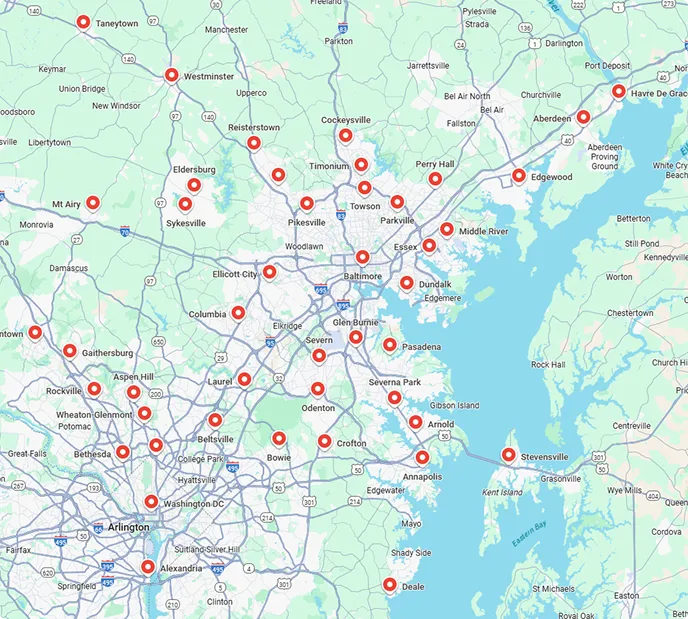
Service areas