



Sump Pumps in Severna Park, MD
Basement flooding and persistent groundwater are genuine risks for Severna Park homes. Located near the Chesapeake Bay with a relatively high water table, heavy seasonal rain and coastal storm events significantly increase the likelihood of water intrusion. A properly selected, installed, and maintained sump pump system from Tario HVAC reduces property damage, mold risk, and long-term structural problems. We'll explain how sump pumps work, what types are best for Severna Park conditions, how installation and replacement are handled, backup and alarm options for power outages, routine maintenance and testing, emergency service considerations, typical cost ranges, and provide sizing and service-plan recommendations tailored to the local area.
How Sump Pumps work and why they matter in Severna Park
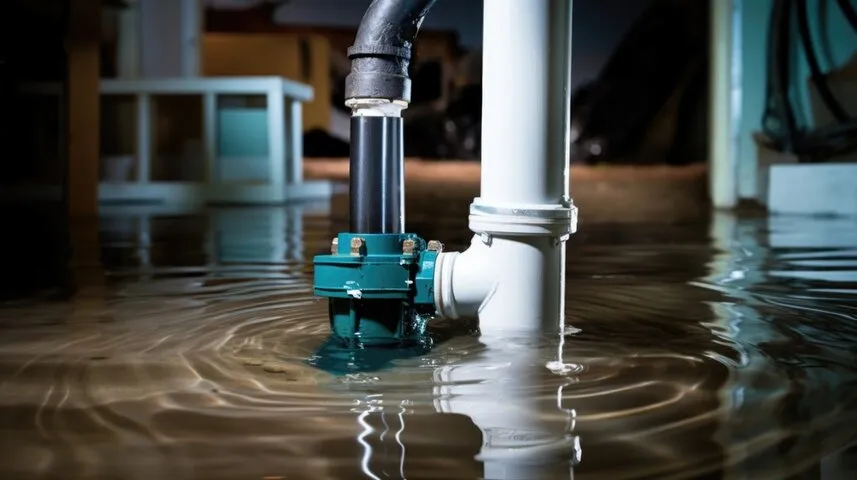
A sump pump sits in a pit at the lowest point of a basement or crawl space and automatically pumps accumulated water away from the home through a discharge line. In Severna Park, frequent rainstorms, rising groundwater, and occasional tidal-driven backup can overwhelm surface drainage. A reliable system keeps water out of living spaces, protects mechanical systems and finishes, and reduces mold and structural risk.
Types of sump pumps and which to choose
- Submersible pumps
- Pros: Quiet, hidden in the pit, effective for deeper pits and higher flow.
- Cons: More difficult to service, typically costlier up front.
- Pedestal pumps
- Pros: Easier to service, motor stays above water, lower initial cost.
- Cons: Noisier and more visible; less suited to deep pits.
- Water-powered pumps
- Pros: Work without electricity by using municipal water pressure.
- Cons: Depend on reliable water supply and can increase water use.
- Battery backup systems
- Pros: Keep the pump running during power outages common with storms.
- Cons: Battery life is limited and requires replacement over time.
- Combination systems
- Pros: Primary electric pump with a battery or water-powered backup for redundancy.
Choose based on pit size, expected flow (GPH - gallons per hour), head height (vertical distance to discharge), and space constraints.
Common sump pump issues in Severna Park homes
- Clogged intake or discharge lines caused by sediment, roots, or debris.
- Switch failures from stuck floats, corrosion, or misalignment.
- Overworking or short cycling when the pump is oversized, undersized, or the pit is too small.
- Motor failure from age, rust from salt air near the bay, or electrical problems.
- Power outage vulnerability during coastal storms or thunderstorms.
- Backflow from improper discharge routing or lack of a check valve.
Symptoms include constant running, no running when water rises, unusual noises, wet basement or musty odors, and visible leakage at the discharge.
Installation and replacement process
- Inspection and assessment: Evaluate pit condition, existing discharge routing, electrical supply, and local site drainage. In Severna Park, consider proximity to tidal influence and municipal storm lines.
- Basin selection and preparation: Size the pit and basin to match expected inflow and float switch movement.
- Pump selection and sizing: Match pump horsepower and GPH to the head height and expected inflow. Sizing should account for seasonal high groundwater and storm events.
- Discharge routing: Install rigid or high-quality flexible piping with proper slope, a check valve to prevent backflow, and an anti-siphon loop if required. Extend discharge far enough away from the foundation and into appropriate drainage.
- Electrical connections and controls: Use dedicated circuits and GFCI protection where applicable. Install transfer switches for battery backups.
- Final testing: Simulate a high-water event, verify operation, check flow, and confirm alarms. For replacements, clean out or replace the basin and inspect for damage to surrounding foundation or drains.
Check local Anne Arundel County codes and HOA rules for permit requirements or prescribed discharge locations.
Battery backup and alarm options for power outages
- Battery backups
- Sealed lead-acid or advanced lithium options are common. Battery capacity influences runtime; systems typically offer automatic transfer to battery power when grid power fails.
- Backup units can be dedicated batteries for the secondary pump or integrated into a combination system.
- Expect limited runtime under continuous heavy inflow; select capacity based on likely outage duration and storm severity.
- Alarms and remote alerts
- Audible float alarms signal pump failure or high water. Smart or WiFi-enabled alarms can send notifications to phones.
- Redundant alarms are recommended in areas prone to power loss so an audible alarm plus remote notification improves response.
- Corrosion protection
- Given the coastal environment, choose components with corrosion-resistant materials and sealed electrical connections.
Maintenance and testing procedures
- Monthly visual checks: Verify the sump pit is clean, the float moves freely, and discharge line is unobstructed.
- Seasonal testing: Pour a bucket of water into the pit to confirm automatic activation and pump-out speed. Test alarms and backup functionality.
- Annual professional inspection: Check motor amp draw, switch condition, check valve operation, electrical connections, and battery health. Clean out silt and sediment in the basin.
- Battery care: Replace lead-acid batteries every 3 to 5 years depending on usage; follow manufacturer guidance for lithium options.
- Record keeping: Log tests, battery replacements, and service to anticipate end-of-life and schedule proactive replacements.
Emergency sump pump service and flood prevention strategies
- Emergency service expectations
- Rapid assessment to determine whether repair, temporary pump, or replacement is required.
- Water removal, temporary pumping solutions, and stabilization to minimize immediate damage.
- Advice on next steps to prevent recurrence, including temporary sealing and routing.
- Flood prevention strategies for Severna Park homes
- Ensure proper grading and positive drainage away from foundations.
- Keep gutters and downspouts clear and extend downspouts well away from the foundation.
- Install or maintain interior and exterior drains, French drains, and window well covers.
- Add or upgrade backwater check valves for sewer line protection.
- Maintain landscaping and soil compaction to prevent water pooling near the house.
Typical cost ranges
- Basic pedestal pump installation or replacement: lower range.
- Submersible pump installation or replacement: moderate to higher range depending on pit work and discharge routing.
- Battery backup systems: additional cost dependent on capacity and whether integrated or standalone.
- Alarm systems: modest additional cost; smart alarms higher.
- Emergency repairs or temporary pumps: vary by urgency and required materials.
- Annual maintenance plans: typically a predictable annual fee covering inspection and basic service.
Note: Exact costs depend on home layout, pit condition, required electrical work, permit needs, and severity of site conditions.
Sizing and service-plan recommendations for Severna Park homes
- Sizing recommendations
- Many Severna Park basements are best served by 1/3 HP to 1/2 HP pumps for typical residential drainage; larger properties, frequent heavy inflow, or long discharge runs often require 3/4 HP or 1 HP units.
- Confirm pump GPH at the calculated head height rather than just horsepower.
- Service plan recommendations
- Annual professional inspection plus seasonal homeowner checks.
- Include battery testing and scheduled battery replacement in the plan.
- Consider a plan that includes priority emergency response, parts discounts, and documentation for insurance purposes.
- Redundancy
- Due to storm-related power outages and heavy rains in the region, a primary pump with a battery backup or a secondary pump provides valuable redundancy.
Q: How long does a typical sump pump last?
A: Most electric sump pumps last 7 to 10 years with regular maintenance. Heavy use, high sediment, or frequent storm events can shorten lifespan.
Q: Is a battery backup necessary in Severna Park?
A: Yes. Frequent storm-related power outages and coastal storm risk make battery backup strongly advisable to avoid failures when you need the pump most.
Q: Can I install a sump pump myself?
A: Homeowners can handle simple installations if they have plumbing and electrical experience, but professional installation ensures proper sizing, discharge routing, check valves, and compliance with local codes.
Q: How fast will a sump pump remove water?
A: Removal speed depends on pump GPH at the actual head height and the size of the pit. Choose pumps rated for the worst-case head and inflow you expect.
Q: Do I need a permit to install or replace a sump pump in Severna Park?
A: Permit requirements vary by project scope and local code. Check Anne Arundel County guidelines and any HOA rules before beginning work.
Q: Will a sump pump affect my homeowner insurance?
A: A functioning sump pump can reduce water damage claims and may be a factor in coverage; insurers may require documentation of installation and maintenance for certain protections.

Service areas
