

Tankless Water Heater Installation in Parkville, MD
Switching to a tankless water heater can be one of the most effective upgrades for comfort and energy efficiency in Parkville, MD homes. We'll explain the benefits of tankless systems, and at Tario HVAC, we'll show you how we size and select the fuel type, detail the step-by-step installation process (including permits, ventilation, and plumbing changes), discuss expected timelines, suitable brands and models, maintenance needs, and local incentive considerations tailored to Parkville and Baltimore County conditions.
.webp)
Why choose a tankless water heater in Parkville, MD
Tankless (on‑demand) water heaters deliver hot water only when you need it, eliminating standby losses associated with storage tanks. In Parkville’s seasonal climate — cold winters and humid summers — tankless systems offer consistent hot water performance and can reduce energy waste, especially for households with variable hot water use patterns. They are also compact, freeing up utility closet or basement space in older Parkville homes that may have limited room for renovations.
Common installation types and typical reasons homeowners upgrade
- Replacement of an old storage tank near end of life
- New construction or major remodel where space savings matter
- Retrofit to improve energy efficiency and reduce utility usage
- Demand for endless hot water for multi-bath families or added appliances
Common problems that lead homeowners to consider tankless solutions include inconsistent hot water during peak use, high energy bills from standby heat loss, and limited space for a traditional tank.
Sizing and fuel‑type selection process
Proper sizing is the most important step for reliable performance.
- Flow rate (GPM): We estimate peak simultaneous hot water demand by adding the flow rates of fixtures you expect to use at once (showers, dishwasher, laundry). This determines the required gallons per minute capacity.
- Temperature rise: We account for the incoming groundwater temperature during Parkville winters and your desired output temperature. Colder incoming water increases the required temperature rise and affects unit selection.
- Fuel type: Natural gas or propane tankless units commonly offer higher flow rates and lower operating costs in gas‑served areas. Electric units are simpler to install where gas isn’t available but require sufficient electrical service (dedicated 240V circuits and high amperage). In Parkville, many homes have access to natural gas through Baltimore Gas & Electric (BGE), which often makes gas tankless systems the practical choice for larger households.
- Condensing vs non‑condensing: Condensing units extract extra heat from exhaust gases and are more efficient, but they require corrosion‑resistant venting and a condensate drain.
Step‑by‑step installation overview (permits, ventilation, plumbing modifications)
Installation integrates plumbing, gas, and electrical work and typically follows this sequence:
Assessment and planning
- Evaluate existing utility connections, gas line capacity, electrical service, venting routes, and space for the equipment.
- Determine required permits and inspections under Baltimore County plumbing and mechanical codes.
Permits and scheduling
- Obtain local permits for water heater replacement or new installation. Inspections are usually required at completion to verify code compliance.
Demolition and prep
- Remove old tank (if present), cap existing connections appropriately, and prepare mounting or floor space for the new unit.
Utility upgrades
- Gas installations: Verify gas line size and pressure; many tankless units require larger gas supply lines or dedicated regulators. Venting for gas units must meet manufacturer and code requirements (direct vent, power vent, or common vent clearances).
- Electric installations: Ensure main service and panel can handle additional load; install dedicated circuits and disconnects as required.
Mechanical installation
- Mount unit, connect water lines with appropriate fittings, add isolation valves and a pressure relief device as required.
- Install venting system for combustion gases (for gas units) or routing for electrical conduit (for electric units).
- For condensing units, route and slope condensate drains to an appropriate drainage point.
Commissioning and inspection
- Startup, test for leaks, verify gas pressure and combustion (if applicable), check water temperatures and flow, and confirm controls and safety features.
- Schedule and pass required municipal inspections.
Expected timelines
Installations vary by project scope:
- Straight replacement with no utility upgrades: often completed within a single day.
- Retrofit requiring gas line upsizing, vent rework, or electrical panel changes: commonly takes one to several days, depending on permitting and complexity.
- New construction or major remodel integrations: scheduled into the overall timeline and may take longer.
Permitting and inspection schedules with Baltimore County can affect the overall timeline; planning for permit processing is an important part of project scheduling.
Brands and models commonly recommended
Reliable manufacturers with proven performance in Maryland climates include:
- Rinnai (condensing and non‑condensing, strong service network)
- Navien (high‑efficiency condensing units)
- Rheem (both gas and electric options; broad model range)
- Bosch (compact designs and multiple fuel types)
- Takagi (specialized tankless products and compact gas models)
Choose models based on required GPM, condensing vs non‑condensing needs, space constraints, and long‑term serviceability in the Parkville area.
Energy savings and maintenance requirements
Tankless systems typically operate at higher efficiency than storage tanks because they heat only on demand. In practical terms for Parkville households, that means better fuel utilization and lower standby energy loss during periods of low usage.
Maintenance best practices:
- Flush and descale annually or more frequently if you have hard water. Hard water common in parts of Maryland can cause mineral buildup that reduces performance.
- Clean or replace inlet filters periodically.
- Inspect venting and condensate drains (for condensing units) each year.
- Have combustion and heat exchanger checks performed by a qualified technician on a regular schedule.
With routine maintenance, tankless units can provide reliable service for many years and maintain efficiency.
Local rebates, incentives and financing considerations
Homeowners in Parkville may be eligible for federal energy incentives, state programs through Maryland energy initiatives, or utility rebates from providers such as Baltimore Gas & Electric (BGE). Incentive availability and eligibility requirements change over time, and many programs require pre‑approval or specific equipment efficiency ratings. Financing options are commonly available through lenders or program administrators to help manage upfront costs.
Q: How long does a tankless water heater installation in Parkville usually take?
A: A direct replacement can often be completed in a single day; projects that require gas or electrical upgrades or new venting commonly take one to several days plus any time needed for permits and inspections.
Q: Will my gas line or electrical panel need upgrades?
A: Possibly. Gas‑fired tankless units frequently require larger gas supply piping and proper ventilation. Electric units need sufficient circuit capacity and amperage. A site assessment determines necessary upgrades.
Q: How often do tankless units need maintenance in Parkville’s water conditions?
A: Annual descaling and filter cleaning are typical, with more frequent attention if your home has hard water. Regular maintenance preserves efficiency and longevity.
Q: Are condensing units better for Maryland homes?
A: Condensing units are more efficient and can offer greater energy savings, but they require appropriate venting and a condensate drain. They are often a strong choice where efficiency and long‑term operating costs matter.
Q: Can I expect energy savings after switching to tankless?
A: Most homeowners see reduced energy wasted on standby heating and improved hot water delivery. Actual savings depend on household hot water use, fuel costs, and system sizing.

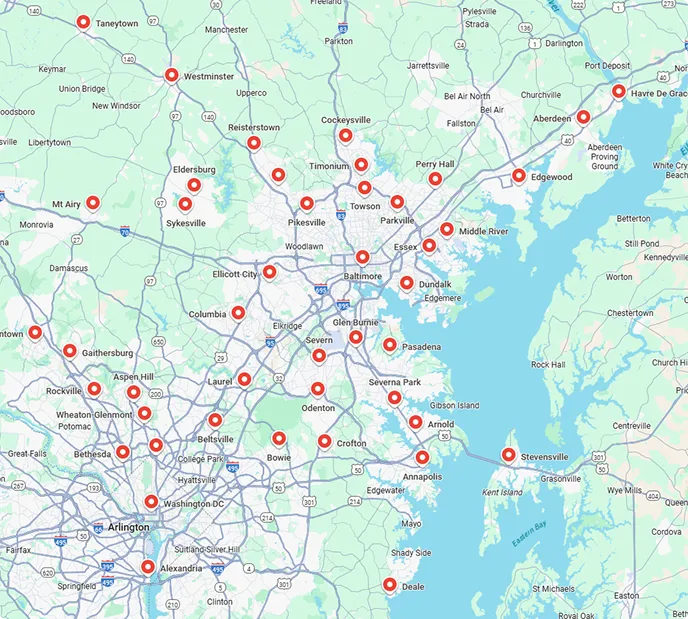
Service areas