


Sump Pumps in Parkville, MD
Sump pump installation, replacement, and repair are critical services for Parkville, MD homes, especially when heavy rains and a high water table threaten basements. A properly installed and maintained sump system from Tario HVAC keeps groundwater out, protects your finishes and belongings, and significantly reduces mold and structural damage risk. We'll explain options for primary and battery-backup systems, guide you on sizing a sump pit, identify common failure signs, provide preventative maintenance, and outline emergency response procedures and practical flood-prevention strategies tailored to Parkville homes.
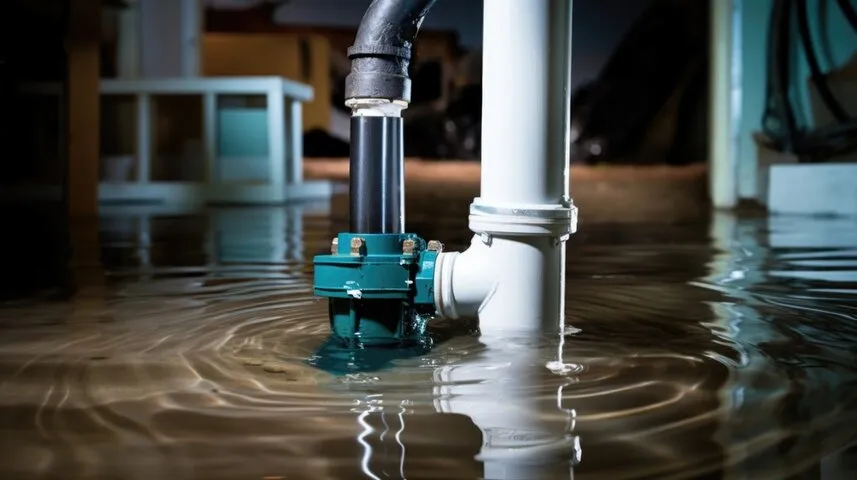
Common Sump Pump services and typical problems in Parkville
- New installation - Installing a submersible or pedestal primary pump with appropriate pit, discharge piping, and check valve. Many Parkville houses with older foundations need upgraded discharge routing to prevent icing or water backflow.
- Replacement and upgrades - Replacing worn pumps, upgrading horsepower, or adding a battery-backup or dual-pump setup to handle heavier inflow during storms.
- Repairs and diagnostics - Fixing float switches, clogged intakes, failed check valves, motor or electrical issues, and frozen or blocked discharge lines.
- Battery-backup installation - Adding a battery-based backup or secondary pump to maintain protection during power outages, which are common during summer storms and winter nor’easters in the Baltimore area.
- Preventative maintenance - Seasonal inspections, pit cleaning, and system testing to prevent failures when storms hit.
Types of pumps and backup options
- Submersible pumps - Installed inside the pit and out of sight. They are quieter and handle higher flow rates, making them a common choice for finished basements or homes with significant water intrusion.
- Pedestal pumps - Motor remains above the pit and can be easier to service, though they are louder and less visually appealing.
- Battery-backup systems - Provide power for a secondary pump or the primary pump during outages. Battery run time depends on battery capacity and pump workload; expect several hours to over a day with larger batteries or staged operation.
- Dual-pump systems - Two pumps in one pit (primary and secondary) provide redundancy and higher combined capacity for neighborhoods with rapid runoff.
- Water-powered backups - Use municipal water pressure as a backup. These can be effective where allowed by local rules but consume potable water and require adequate pressure.
How to size a sump pit and choose pump capacity
- Pit diameter and depth - For most single-pump Parkville homes, a pit 18 to 24 inches in diameter and 18 to 24 inches deep is standard. For larger basements, high inflow, or dual-pump systems, a 24 to 30 inch diameter and 24 to 36 inch depth is safer.
- Float clearance - Ensure the pit depth allows full travel of the float switch without the pump running dry or the float becoming trapped by debris.
- Pump horsepower and capacity - Typical homes use 1/3 to 1/2 HP pumps for average inflow. Homes with chronic high inflow, large basements, or steep discharge elevations should consider 1/2 to 1 HP units or dual pumps. Match pump GPM to expected inflow and head (vertical lift).
- Discharge piping - Use appropriately sized piping and minimize bends. Install a reliable check valve to prevent backflow, and route discharge to daylight at least 10 feet from the foundation. In Parkville winters, route pipes so exposed sections are insulated or buried to reduce freezing.
Preventative maintenance checklist
- Test the pump monthly by pouring water into the pit until the float activates and the pump discharges.
- Inspect and clean the pit and inlet screen every 6 months; remove debris, gravel, and sediment that can jam the float or clog the pump.
- Check the discharge line for obstructions, ice formation, or roof runoff infiltration. Ensure the check valve functions and is installed properly.
- Test battery-backup systems monthly and keep replacement batteries available; replace batteries every 3 to 5 years based on type and usage.
- Inspect electrical connections and circuit breaker/GFCI protecting the pump. Replace corroded wiring or components promptly.
- Confirm the pit cover fits snugly to reduce odors, prevent items falling in, and limit evaporation that can attract pests.
Common failure signs and diagnostics
- Pump runs constantly - Could indicate a stuck float, undersized pump, or excessive inflow. Check float path and pit inflow rates.
- Pump will not start - Check power at the breaker/GFCI, inspect battery backup status, test manual activation of the float, and listen for motor noise indicating mechanical failure.
- Frequent on/off cycling - May be caused by a float switch issue, small pit volume, or short cycling due to high groundwater surges.
- Unusual noises or vibrations - Bearings or impellers may be failing. Vibrations often signal imminent motor failure.
- Water remains after pump runs - Check for clogged intake, damaged impeller, or check valve failure allowing backflow.
Emergency response procedures for Parkville homeowners
- If you discover a failed sump pump during a storm, first check power: confirm breakers and GFCI outlets are on. Do not touch electrical components while standing in water.
- If power is out, verify battery backup operation if installed. If battery backup is not available or fails, remove valuables from the basement and use a portable pump or a heavy-duty wet/dry vacuum if safe and available.
- For rapidly rising water, prioritize safety: shut off electricity to basement circuits if you can do so safely from dry ground. Move stored items and electronics to higher floors.
- After the event, document damage, dry and disinfect affected areas, and inspect carpets and drywall for signs of contamination or mold. Have the sump system fully inspected before resetting or relying on it again.
Flood-prevention strategies and warranties
- Exterior solutions: grade soil away from the foundation, extend downspouts at least 6 to 10 feet from the house, and maintain gutters free of debris to minimize roof runoff.
- Interior solutions: install perimeter French drains, seal foundation cracks, and consider a dual-pump system with battery-backup and an audible alarm for added protection.
- Plumbing protections: install a backflow preventer on sewer lines to prevent sewage backup during municipal overflows.
- Warranties and expected lifespans: typical sump pump manufacturer warranties range from 1 to 5 years; batteries have separate warranties. Realistic service life for a sump pump is roughly 7 to 15 years depending on usage, quality, and maintenance. Keep proof of purchase and register equipment to ensure warranty coverage.
Q: How often should I test my sump pump in Parkville, MD?
A: Test the pump monthly by pouring water into the pit until the float activates. Inspect the pit and discharge line every 6 months and test battery backups monthly.
Q: Do I need a battery backup for my sump pump in Parkville?
A: Battery backup is strongly recommended in Parkville because severe storms and winter outages can coincide with high runoff. Backups provide hours to days of protection depending on battery capacity.
Q: What size pit and pump should I install for a finished basement?
A: For most finished basements, a pit 18 to 24 inches in diameter and 18 to 24 inches deep paired with a 1/3 to 1/2 HP submersible pump is common. Larger or high-inflow basements may need larger pits and higher capacity pumps.
Q: What are the first things to check if my sump pump stops working during a storm?
A: Verify power at the breaker and GFCI, test the float switch, check battery backup charge, and inspect the discharge line for blockages or ice. Avoid handling electrical parts while standing in water.
Q: How long do sump pumps typically last and what affects lifespan?
A: Typical life is 7 to 15 years. Lifespan depends on quality, frequency of cycling, maintenance, sediment in the pit, and whether a backup system reduces stress on the primary pump.

Service areas