

Tankless Water Heater Installation in Havre de Grace, MD
Switching to a tankless (on-demand) water heater in Havre de Grace, MD is a fantastic solution for those annoying frustrations: never running out of hot water in the middle of a shower, reclaiming cramped utility spaces in older homes, and getting those rising utility bills under control. Tario HVAC specializes in installing tankless systems that only heat water when you need it, which means continuous hot water on demand and freeing up valuable basement or closet space—advantages that perfectly suit the diverse mix of historic properties, waterfront cottages, and modern builds you find across Havre de Grace.
.webp)
Why Choose a Tankless System for Havre de Grace homes
- Endless hot water on demand for families with overlapping showers and appliances.
- Space savings are valuable in older or historic homes where replacing a bulky tank is difficult.
- Improved energy efficiency because the heater is not keeping a stored tank hot 24/7.
- Longer expected service life compared with conventional tanks when maintained properly.
- Better performance in cold months when proper sizing accounts for lower inlet temperatures.
Local factors that matter: many Havre de Grace properties sit near the water and face salt air exposure, which can accelerate corrosion in outdoor venting and metal components. Older homes often need electrical panel or gas-line upgrades to support modern tankless units. Seasonal cold snaps increase the required flow temperature rise, so a correct sizing assessment is crucial.
Common tankless models and differences: gas vs electric
- Gas (natural gas or propane) tankless units
- Typically offer higher flow rates for whole-home hot water.
- Require proper combustion air and venting (direct vent or power vent).
- May need gas-line upsizing to meet peak BTU demand.
- Electric tankless units
- Cleaner installation for homes without gas service and simpler venting since no combustion venting is needed.
- Often require significant electrical capacity and multiple high-amperage breakers; older panels may need upgrades.
- Good fit for point-of-use or small whole-house applications.
Choosing between gas and electric depends on your home’s fuel availability, existing electrical service, hot water demand patterns, and space constraints.
Sizing and capacity considerations for Havre de Grace homes
Proper sizing ensures reliable hot water and prevents performance issues:
- Determine simultaneous hot water demand: showers, dishwasher, laundry.
- Calculate required flow rate (gallons per minute) for simultaneous fixtures.
- Account for inlet water temperature: Chesapeake Bay-area winters lower incoming water temperature, so the unit must provide a larger temperature rise.
- Select a model with adequate continuous flow at the needed temperature rise.
A professional site survey will measure household usage and local inlet temperatures to recommend the right capacity.
Required home modifications
- Venting upgrades
- Gas units often need stainless steel or corrosion-resistant venting; condensing units use PVC or stainless lines and need a condensate drain.
- For coastal air, corrosion-resistant materials and sealed terminations are important.
- Gas-line work
- Many gas units require larger diameter supply lines to meet peak BTU demand; a licensed gas contractor must assess and perform any upgrades.
- Electrical upgrades
- Electric units can need substantial amperage and may require panel upgrades or subpanels in older Havre de Grace homes.
- Water treatment
- Hard water common to the region increases scale buildup. Descaling devices, softening, or regular flush maintenance will protect the unit.
Step-by-step installation process
- Site assessment and load calculation: evaluate existing utilities, inlet temperature, and desired outlet temperatures.
- Permit application: submit plans for gas, electrical, and plumbing work per local building department requirements.
- Pre-install modifications: upgrade gas line or electrical panel if required; prepare venting path and condensate drainage.
- Remove old tank (if applicable) and prepare mounting area with proper clearances and supports.
- Install unit, connect gas or electrical, set up venting and condensate drains, and tie into plumbing with pressure-relief and shutoff valves.
- Commissioning: run test cycles, set temperature controls, and check for leaks, proper combustion (for gas), and correct flow rates.
- Inspection: arrange municipal inspections for gas, electrical, and final plumbing compliance.
- Owner orientation: explain operation, control settings, and basic maintenance tasks.
All work should comply with applicable plumbing, gas, and electrical codes and be performed by licensed professionals.
Permitting and code compliance in Havre de Grace
Installations typically require building permits and inspections through local building authorities. Permits ensure venting locations, termination clearances, gas connections, electrical work, and backflow/relief valve installations meet safety standards. Installers should be familiar with local code interpretations, required inspections, and documentation needed for final approval in the Havre de Grace and Harford County jurisdictions.
Energy savings and cost factors
Energy savings depend on your household’s hot water usage pattern, the efficiency of the replaced unit, and fuel prices. Tankless systems can reduce energy waste associated with storing hot water and are most efficient for households with intermittent usage and for homes where space- or point-of-use solutions reduce distribution losses. Key cost drivers for installation include:
- Type of unit (gas vs electric, condensing vs non-condensing)
- Required venting complexity and materials
- Extent of gas-line or electrical panel upgrades
- Any needed water treatment to prevent scale
A site survey will identify these factors so you understand the long-term operating benefits and what is required during installation.
Brands and warranties
Reputable brands commonly installed in the region include Rinnai, Navien, Rheem, Bosch, and Noritz. Manufacturer warranties vary by model and component:
- Heat exchanger warranties are typically the longest and may cover several years.
- Parts warranties often cover additional components for a shorter period.
- Extended warranty options and properly documented professional installation and maintenance can preserve warranty validity.
Maintenance recommendations for longevity
- Annual flush and descaling to remove scale buildup, especially important with regional water hardness.
- Inspect and clean inlet filters and aerators regularly.
- Check venting and condensate drains for clearances and corrosion annually, particularly in salt-air environments near the river.
- Service combustion components on gas units to ensure safe operation.
- Keep installation documentation and service records to support warranty claims.
Regular maintenance extends service life and preserves efficiency, making tankless systems a reliable long-term solution.
Q: How do I know whether my Havre de Grace home should use a gas or electric unit?
A: A qualified technician will assess your existing fuel supply, electrical panel capacity, and hot water needs; gas generally supports higher whole-house flow rates while electric fits well for point-of-use or smaller-demand situations.
Q: Will a tankless unit run out of hot water?
A: Properly sized tankless systems provide continuous hot water for as long as demand does not exceed the unit’s rated flow capacity; sizing for simultaneous use prevents shortages.
Q: Do I need a permit to install a tankless water heater in Havre de Grace?
A: Yes, installations typically require permits and inspections for gas, electrical, and plumbing work to meet local code requirements.
Q: How often should a tankless water heater be flushed?
A: Annual flushing is a common recommendation, but frequency increases with higher mineral content in the water; homes with hard water may need more frequent descaling.
Q: Are tankless units suitable for historic homes in Havre de Grace?
A: Yes—tankless units are often an excellent option for historic or compact homes because they save space and can be installed in less intrusive locations; however, older homes may need panel or gas-line upgrades which should be planned during the assessment.

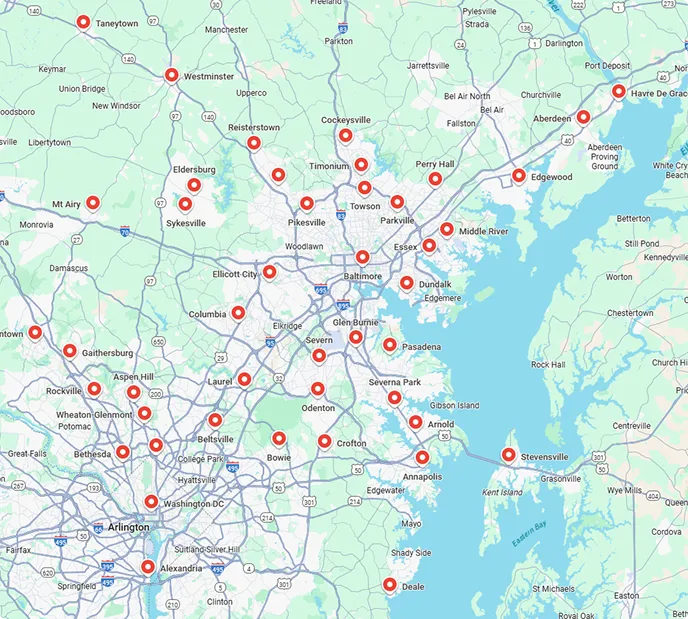
Service areas