


Sump Pumps in Havre de Grace, MD
Basement flooding and chronic moisture are real concerns for Havre de Grace homes, especially with a high water table and proximity to the Susquehanna River. A properly selected, installed, and maintained sump pump system from Tario HVAC is your most effective way to prevent flooding, protect your belongings, and reduce mold risk. We offer expert sump pump installation and replacement services, guiding you on choosing the right pump and backup options, handling common repairs, providing preventive maintenance, and responding quickly to emergencies.
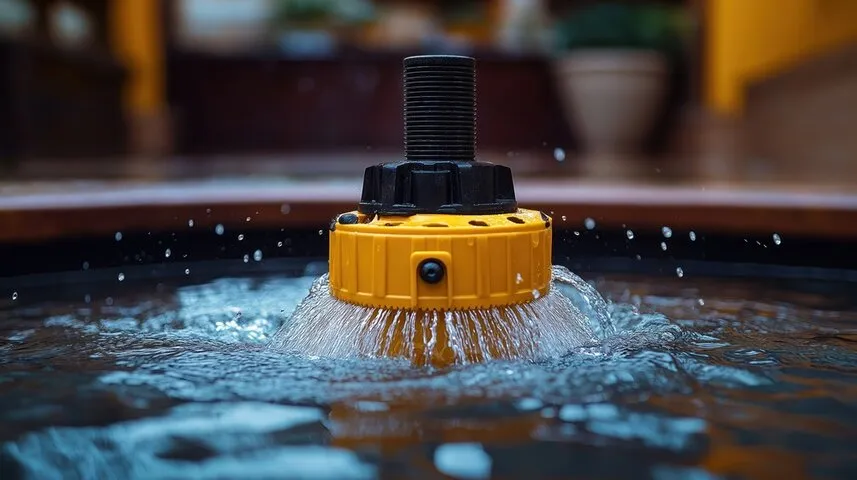
Common Sump Pump services and when you need them
- New sump pump installation for homes with recurring basement seepage or finished basements vulnerable to water damage.
- Sump pump replacement when a pump is old, failing, noisy, or undersized for current needs.
- Battery backup and alarm system installation to maintain protection during power outages or to alert you to system failures.
- Emergency repair and water removal after unexpected backup events.
- Preventive maintenance plans for annual or semiannual inspections, testing, and cleaning to extend pump life and reliability.
Sizing and pump type selection
Choosing the right pump depends on the basement footprint, the depth of the sump pit, how often and how intensely the property floods, and the vertical and horizontal distance the water must be discharged. Important considerations include:
- Capacity and horsepower: Pumps are rated by how many gallons per minute (GPM) they can move at various head heights. Higher water tables and long discharge runs require greater capacity.
- Submersible vs pedestal pumps: Submersible pumps sit in the pit and are quieter and better for deeper pits; pedestal pumps have motor above the pit and are easier to service but less common in high moisture areas.
- Solids-handling vs standard: If coarse debris or grit can reach the pump, a solids-handling model reduces clogs.
- Materials and build: Cast iron housings are quieter and durable; corrosion-resistant plastics are lightweight and cost-effective.
In Havre de Grace, where intense rain events can be sudden, homeowners often select higher-capacity submersible pumps with solids-handling capability and a robust float-switch arrangement.
Battery backup and alarm options
Power outages frequently occur during severe coastal storms. Backup and monitoring options include:
- Battery backup systems: Standalone battery-powered pumps or backup modules that automatically take over if primary pump loses power. Consider battery type and expected run time during outages.
- Dual-pump installations: A second dedicated backup pump provides redundancy and extended runtime.
- Alarms and monitoring: Audible float alarms, visual indicators, and smart WiFi-enabled monitors that send alerts to a phone help you detect failures before major consequences.
For Havre de Grace homes, pairing a primary submersible pump with a battery backup and a reliable alarm is a common best practice.
Installation and replacement process
A proper installation follows a methodical process to ensure performance and compliance:
- Site assessment to size the pit and evaluate discharge route, power access, and any code or permitting requirements.
- Pit preparation or replacement, ensuring correct diameter and depth, and smooth sump liner installation.
- Pump selection and secure installation, including float switch positioning, check valve installation, and tight electrical connections on a dedicated circuit.
- Discharge piping routed to daylight or approved storm connection, with proper slope and backflow prevention to avoid reentry of water.
- System testing under load and documentation of performance and recommended maintenance schedule.
Replacement projects include evaluating existing piping, converting pedestal to submersible units if needed, and upgrading to include backup or alarm features.
Common repairs and troubleshooting
Typical issues that lead to repair calls include:
- Pump not powering on: Check breaker, power connection, and alarm for battery issues.
- Pump runs but fails to remove water: Clogged intake, damaged impeller, or failed check valve.
- Continuous running or frequent cycling: Oversized pit, wrong float setting, or undersized pump.
- Excessive noise or grinding: Worn bearings, debris in the impeller, or loose mounting.
Basic homeowner troubleshooting: ensure the pump is plugged in and circuit is on, inspect the pit for debris and float movement, and verify discharge piping is not frozen or blocked. For electrical or internal pump repairs, professional servicing is recommended to ensure safety and preserve warranties.
Preventive maintenance plans and seasonal tips
Regular maintenance keeps systems reliable and extends life:
- Inspect and test the pump and backup every 3 to 6 months; during storm season check monthly.
- Clean the sump pit of sediment and debris that can clog intakes or jam floats.
- Test alarms and backup batteries; replace batteries according to manufacturer guidance.
- Verify discharge lines are free and insulated before winter to prevent freezing; secure external piping and slope away from the foundation.
- After major storms, test the pump under load and inspect for signs of stress, leaks, or electrical corrosion.
A scheduled maintenance plan tailored to Havre de Grace’s seasonal weather reduces emergency repairs and helps ensure the system performs during high-risk events.
Signs of failure and emergency response procedures
Early warning signs include unusual noises, the pump running constantly, frequent short cycles, dampness along foundation walls, or visible backup in the pit. In an emergency:
- Prioritize safety: avoid walking in deep standing water where electrical hazards may exist.
- If safe, remove valuables to higher ground and limit basement use until water is removed.
- If the pump has stopped due to power failure and a battery backup is present, verify the backup is operational; if it isn’t, consider temporary power options.
- For significant water intrusion, temporary portable pumps or wet/dry vacuums can reduce damage, but professional recovery services may be necessary for large volumes or contaminated water.
Document conditions and system behavior; this information is important for repairs and insurance considerations.
Warranties and expected cost factors
Warranty coverage typically includes manufacturer warranties for pump motors and components and separate warranty terms for batteries and electronics. Motor warranties commonly range from short-term to multi-year coverage depending on the brand and pump class; installation labor warranties are commonly provided by service professionals for a set period following work. Factors that influence overall cost include pump type and capacity, backup and alarm options, complexity of discharge routing, required pit work or structural changes, electrical upgrades, and permit requirements. Discuss warranty inclusions such as labor, parts, and conditions that could void coverage, like improper maintenance or freeze damage.
Benefits of timely action
Installing the right sump pump system and maintaining it proactively protects property, reduces mold and structural damage risk, and provides predictable performance during Havre de Grace’s wet seasons and storm events. Regular inspections and appropriate backup systems give homeowners confidence that basements and finished spaces remain dry when it matters most.
Q: How often should I test my sump pump?
A: Test the system monthly during high-risk seasons and at least every three months otherwise; operate the pump with a bucket test to confirm activation and discharge.
Q: Do I need a battery backup for my sump pump?
A: Battery backups are strongly recommended in areas with frequent storm-related power outages or for homes where basement flooding would cause significant damage.
Q: Can I install a sump pump myself?
A: Basic installations can be DIY for experienced homeowners, but assessments of discharge routing, electrical work, and code compliance are best handled by professionals to ensure safety and preserve warranties.
Q: What are the most common reasons a sump pump fails?
A: Power loss, clogged intake or impeller, failed float switch, faulty check valve, and wear on the motor or bearings are the most frequent causes.
Q: How long should a sump pump last?
A: Lifespan varies by use and maintenance; many pumps last several years with proper care, while heavy use and lack of maintenance can shorten service life.

Service areas