

Tankless Water Heater Installation in Crofton, MD
Upgrading to a tankless water heater in Crofton, MD is a smart move for homeowners prioritizing reliable hot water all year and lower energy bills in the long run. In a community with cold winters and water that can be a bit hard, traditional tanks often struggle with recovery time, sediment buildup, and just plain wasting energy. A tankless system, when sized correctly and expertly installed by Tario HVAC, addresses these issues, all while freeing up valuable space and cutting down on the standby losses typical of older storage tanks.
.webp)
Why Crofton homes benefit from Tankless Water Heaters
- Instant hot water on demand during cold months when temperature rise needs are highest.
- Higher energy efficiency reduces monthly utility usage compared with older storage tanks.
- Smaller footprint ideal for Crofton basements, garages, or remodeled utility closets.
- Reduced risk of leaks and long-term corrosion when units are installed with attention to local water quality.
Common tankless system types and how homeowners choose
- Whole-house units: sized to supply multiple fixtures and bathrooms simultaneously.
- Point-of-use units: compact units for a single sink or remote bathroom.
- Condensing vs non-condensing gas units: condensing models extract extra heat from exhaust for higher efficiency but require corrosion-resistant venting.
- Electric units: simpler venting and installation in some homes, best when electrical service can support the load or in low-flow applications.
How to size a tankless unit for your home
Sizing a tankless heater focuses on two numbers: required flow rate (gallons per minute, GPM) and temperature rise (how many degrees the unit must raise incoming water to reach the set temperature).
- Estimate peak simultaneous demand:
- Shower = 1.5–2.5 GPM
- Bathroom sink = 0.5–1.0 GPM
- Dishwasher = 1–2 GPM
- Laundry = 1–2 GPMAdd GPMs for appliances likely to run at the same time. A typical Crofton home with two bathrooms running a shower and dishwasher might need 6–8 GPM.
- Determine temperature rise:
- Groundwater temperature in Maryland varies seasonally. In winter, incoming water can be in the low 40s F. If you want 120 F water, the required rise could be 75–80 F.
- Choose a unit that delivers the needed GPM at that temperature rise. Manufacturers publish curves showing output at various rises.
Professional installers will perform this calculation precisely and factor in future household changes like an added bathroom or suite.
Gas vs Electric: which is best for Crofton?
- Gas (natural gas or propane)
- Pros: Higher flow capacity for whole-house systems, better performance in cold winters, typically lower operating cost where natural gas is available.
- Cons: Requires properly sized gas line and professional venting; venting options vary by model (stainless or special PVC for condensing units).
- Electric
- Pros: Simpler to install in homes without gas; no combustion venting required; smaller units for point-of-use.
- Cons: May require significant electrical service upgrades and can have higher operating costs in high-demand homes.
Many Crofton homes on natural gas benefit from a gas-fired tankless for dependable output during Maryland winters. Homes without gas often choose electric point-of-use units or consider propane for whole-house installs.
Site assessment and typical upgrades
A thorough site assessment identifies what must be upgraded for a safe, code-compliant installation:
- Venting: Condensing units often use PVC intake/exhaust; non-condensing gas units need stainless steel or special venting rated for high temperatures. Placement near an exterior wall or through the roof are common solutions.
- Gas line: Larger BTU-rated tankless units may require upsizing the gas pipe and ensuring adequate supply and pressure.
- Electrical: Electric models or units with electronic controls may need dedicated breakers or even a service panel upgrade.
- Water quality: Hard water in the Crofton area can accelerate scaling. Installations often include recommendations for a water softener or a descaling system to protect the heat exchanger.
- Clearances and location: Installers check for proper clearances, freeze protection if installed in unconditioned spaces, and accessibility for maintenance.
Professional installation process
- Onsite evaluation: Flow and temperature measurements, inspection of existing infrastructure, and permit planning.
- Permitting and plan review: Submitting required documentation to Anne Arundel County or the correct local jurisdiction for water heater replacement and venting work.
- Removal of old equipment and any needed upgrades (gas, electrical, or venting).
- Mounting and secure installation of the tankless unit, connection of water, gas, electrical, and venting systems.
- Startup, calibration, and combustion testing for gas units; verification of flow and temperature performance.
- Operator walkthrough and documentation of warranty and maintenance recommendations.
- Final inspection by local building officials as required.
Permits, incentives, and paperwork
Anne Arundel County typically requires permits and inspections for water heater replacements and any gas or electrical work. High-efficiency tankless models may qualify for state, local, or utility incentives and sometimes federal efficiency tax credits—homeowners should retain manufacturer documentation and proof of professional installation when applying for rebates or incentive programs.
Warranties and what to expect
Manufacturer warranties commonly cover the heat exchanger for a longer period than other parts. Typical warranty structures range from limited multi-year coverage on heat exchangers to shorter terms on electronics and labor. Proper professional installation and following recommended maintenance schedules are often conditions of full warranty coverage.
Recommended maintenance for longevity
- Annual professional inspection and cleaning, including checking burners, combustion, and venting.
- Periodic descaling (frequency depends on water hardness)—every 6–12 months in hard water areas.
- Clean or replace inlet water filters and strainers.
- Monitor performance: reduced flow, fluctuating temperatures, or error codes indicate service is needed.
Regular maintenance prolongs unit life, sustains efficiency, and protects warranty coverage—especially important in the Crofton area where mineral content and cold winters add stress to heating systems.
Q: How do I know if my Crofton home needs a whole-house tankless or point-of-use units?
A: Evaluate peak simultaneous demand and desired performance. A whole-house unit is best when multiple fixtures run at once; point-of-use is suitable for singular or remote fixtures. A professional flow and load calculation will determine the right approach.
Q: Will a tankless unit handle two showers at once in winter?
A: Yes, if sized correctly. Cold incoming water increases required temperature rise, so you need a unit rated for the combined GPM at that higher rise.
Q: Do tankless heaters need special venting in Crofton?
A: Gas-fired units need proper venting per model type. Condensing units use corrosion-resistant materials and may use PVC; non-condensing units require stainless venting. Local code requirements determine exact options.
Q: How often should a Crofton home descale a tankless water heater?
A: In hard water areas, descaling every 6–12 months is common. Homes with soft water may need less frequent service. Water testing helps set the right schedule.
Q: Are there rebates or incentives for installing a tankless heater in Maryland?
A: Some state, local, or utility programs and manufacturer promotions can offset costs for high-efficiency systems. Keep installation and product documentation for rebate applications.
Q: Will installing a tankless affect my home insurance or warranties?
A: Proper professional installation and permitting generally align the system with code and warranty requirements. Always follow manufacturer instructions and keep maintenance records to preserve warranties.

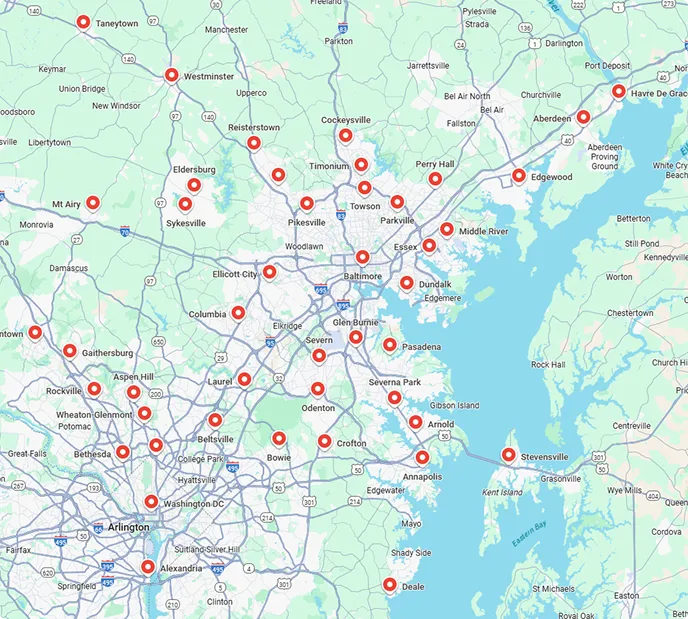
Service areas