



Sump Pumps in Crofton, MD
Keeping basements and crawlspaces dry in Crofton, MD is a year round concern. Heavy summer storms, spring thaw, and a relatively high water table in parts of Anne Arundel County mean water intrusion can be sudden and damaging. Proper sump pump installation, timely replacement, and reliable repair work are the core defenses against basement flooding. Tario HVAC is here to explain what you can expect from our sump pump services in Crofton, MD, including the types of pumps and backup options, basin and installation requirements, maintenance plans and troubleshooting tips, and practical flood-prevention strategies and alarm options for local homes.
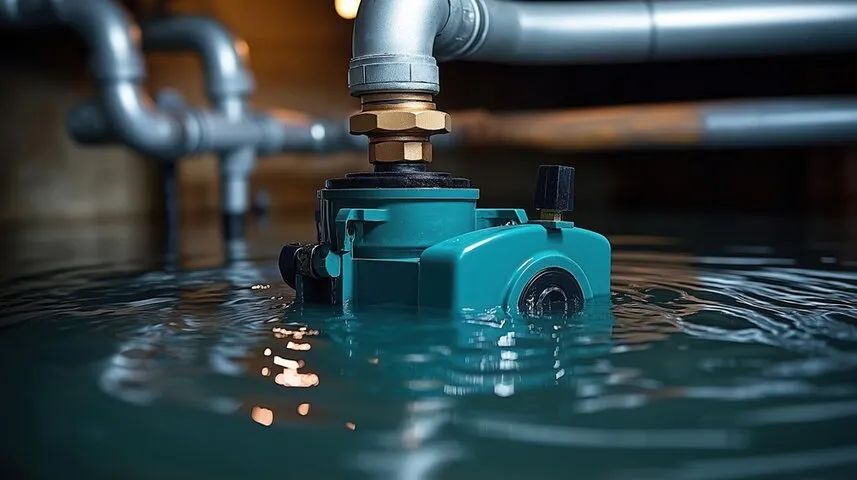
Why Sump Pumps matter in Crofton, MD
Crofton homes often face localized flooding from intense thunderstorms and runoff from nearby development. When groundwater rises or surface water accumulates around a foundation, a correctly sized and installed sump pump prevents standing water, mold growth, structural damage, and ruined belongings. Local weather patterns make redundancy and backup power especially important during prolonged storms and power outages.
Common sump pump services in Crofton
- Sump pump installation: Site evaluation, basin sizing, pump selection, discharge routing, and system testing.
- Sump pump replacement: Upgrading worn or underpowered pumps, swapping single pump systems for dual pump setups, and updating check valves and discharge piping.
- Sump pump repair: Fixes for motor issues, clogged impellers, switch failures, and leaking basins.
- Battery backup and backup pump installation: Adding battery units or a separate backup pump to operate during outages.
- Alarm and monitoring installation: High-water alarms, float switch failure alerts, and smart monitoring for remote notifications.
- Maintenance plans: Regular inspections, cleaning, and seasonal testing to reduce failure risk.
Types of pumps and how to choose
- Submersible pumps: Installed inside the sump basin and fully water resistant. They are quieter, more durable for continuous use, and work well for deeper pits and higher flow rates.
- Pedestal pumps: Motor sits above the pit and the pump sits at the bottom. They are easier to service but can be louder and less suited to deep basins.
- Cast iron vs thermoplastic housings: Cast iron pumps are durable and better for heavy use. Thermoplastic units can be lighter and more cost effective for moderate needs.
- Single pump vs dual pump systems: Dual systems provide redundancy. A primary pump handles routine flow and a secondary or backup pump activates if the primary fails or the water rises above a set level.
- Float switch types: Tethered floats are common and cost effective. Vertical or column floats reduce the chance of getting stuck on debris. Electronic pressure switches and solid-state sensors are options for more reliable activation.
Choose a pump based on basement size, local groundwater conditions, expected inflow during storms, and power reliability in your neighborhood.
Battery backup and backup power options
- Battery backup systems: Provide power to an auxiliary pump during grid outages. They run on deep-cycle batteries and are sized by expected runtime.
- Backup pumps: A separate dedicated backup pump inside the basin provides mechanical redundancy in addition to electrical backup.
- Generator compatibility: Standby generators can run the primary pump during extended outages when installed and sized properly.For Crofton homes, where storms often coincide with power outages, battery backup plus a dedicated backup pump is a reliable strategy.
Installation locations and basin requirements
- Typical installation sites: The lowest point of the basement, crawlspaces that collect water, or under-floor pits where water naturally accumulates.
- Basin size and depth: Standard basins are sized to allow the pump to operate without frequent cycling. Common diameters range from 18 to 22 inches and depths from 18 to 24 inches, but exact dimensions depend on pump model and expected water volume.
- Discharge routing: Discharge lines should carry water away from the foundation and be routed to a storm drain, dry well, or approved discharge area uphill from the house. Check valves and proper slope are essential to prevent backflow.
- Venting and access: Basins need secure covers, accessible service space, and proper venting if required.
Diagnostic process and common repairs
A thorough diagnosis starts with a visual inspection and functional tests:
- Inspect pump wiring, power source, and breakered circuits.
- Test float switch movement and activation points.
- Check for clogged inlet screens, debris in the basin, and impeller damage.
- Measure pump capacity and cycle rate to ensure it matches site requirements.
- Common repairs include replacing failed motors, swapping faulty float switches, clearing blocked discharge lines, replacing check valves, and repairing cracked basins.
Maintenance plans and seasonal checklist
Regular maintenance reduces the chance of failure when you need the pump most:
- Quarterly visual inspections: Check for debris, corrosion, and proper float movement.
- Monthly functional test: Pour water into the basin until the pump cycles to confirm activation and discharge.
- Annual professional inspection: Full system check, performance testing, battery replacement for backups, and verification of discharge routing.
- Battery maintenance: Test a battery backup monthly and replace deep-cycle batteries every 3 to 5 years depending on use and manufacturer guidance.
- Keep the discharge line clear of ice and obstructions in freezing months.
A scheduled maintenance plan that documents inspections and repairs is especially valuable in neighborhoods with older homes or known drainage issues.
Flood-prevention strategies and alarms
- Grading and gutters: Ensure soil slopes away from the foundation and downspouts extend away from the house to reduce surface water pooling.
- Foundation sealing: Seal cracks and joints to slow seepage and reduce pump load.
- Perimeter drainage: French drains and interior perimeter drains can direct water to the sump basin more effectively.
- Redundancy: Pair pumps and include a battery backup to reduce single-point failure risk.
- Alarm systems: High-water alarms and float-failure alerts provide early warning. Smart monitors can send texts or emails if your pump stops working or the reservoir level rises unexpectedly.
For Crofton homeowners, combining drainage improvements with a redundant sump system and alarms creates a layered defense against both routine groundwater intrusion and extreme storm events.
FAQ
Q: How long does a sump pump last?
A: Typical sump pump lifespan is 5 to 15 years depending on pump type, usage frequency, and maintenance. Pumps that cycle frequently or run during seasonal high water can wear faster, so regular inspections help maximize life.
Q: Do I need a battery backup for my sump pump in Crofton?
A: Battery backup is highly recommended in Crofton because storms that cause flooding often lead to power outages. A battery backup or secondary pump ensures protection when the grid is down.
Q: How do I know if my sump pump is sized correctly?
A: Proper sizing is based on expected water inflow, basin size, and the vertical lift to the discharge point. A professional evaluation measures inflow rates during heavy rain and recommends the correct horsepower and GPM rating.
Q: Can I install a sump pump myself?
A: DIY installation is possible for experienced homeowners, but proper basin sizing, electrical work, discharge routing, and check valve installation require careful attention. Professional installation ensures code compliance and reliable operation.
Q: What maintenance tasks can I do myself?
A: You can perform monthly tests by pouring water into the basin and observing pump activation, visually inspect for debris, and ensure discharge lines are clear. Leave electrical repairs and major servicing to qualified technicians.

Service areas
