

Tankless Water Heater Installation in Arnold, MD
Upgrading to a tankless water heater is one of the most cost effective, space saving improvements you can make for your Arnold, MD home. Tankless systems deliver hot water on demand, reduce energy lost to standby heat, and can last significantly longer than traditional tank systems when installed and maintained correctly by experts like Tario HVAC. Here, we'll explain the typical tankless water heater installation process for Arnold homes, what to expect for gas or electrical requirements, how tankless units compare with traditional tanks for operating costs, permitting and code considerations specific to the region, and recommended maintenance to maximize performance and warranty protection.
.webp)
Why Arnold, MD Homeowners Choose Tankless
- Arnold experiences humid summers and chilly winters near the Chesapeake Bay. Colder incoming water in winter increases the temperature rise required from the unit, making correct sizing essential.
- Many homes in the area face moderate to hard water and occasional salt air exposure in coastal neighborhoods. These local factors make scale control and corrosion resistance important considerations.
- Space constraints in older Anne Arundel County homes make the compact footprint of tankless units attractive.
Common service types and issues for Arnold homes
- New tankless water heater installation for replacement of aging tank units.
- Upgrading gas lines or electrical service to meet tankless demands.
- Condensing vs non condensing unit selection based on efficiency goals and venting limitations.
- Scale buildup in systems without adequate water conditioning.
- Corrosion concerns for external components in coastal locations.
- Incorrect sizing leading to insufficient flow or fluctuating temperatures in cold weather.
Initial consultation and sizing
A professional consultation begins with three key inputs:
- Calculating peak hot water demand by adding up expected simultaneous fixtures (showers, dishwasher, laundry).
- Determining local incoming water temperature, especially important in Arnold winters when inlet temps drop and reduce flow capacity at higher temperature rises.
- Measuring available fuel and electrical service: natural gas or propane piping size and capacity, and for electric units the existing panel capacity and required breaker configuration.
Sizing is expressed as required flow rate at a targeted temperature rise. Correct sizing prevents shortfalls during peak use and avoids overspending on an oversized unit. The installer will also review the proposed installation location for venting, condensate drainage, and protection from salt air if the unit is mounted outdoors.
Gas line and electrical requirements
- Gas models often need larger diameter supply lines and may require upgrades to your meter or service if demand increases substantially. Proper venting and combustion air provisions are required.
- Electric tankless heaters can require high amperage and multiple dedicated 240 volt breakers. Many older Arnold homes may need an electrical service upgrade to safely support an electric tankless unit.
- Condensing tankless units produce acidic condensate that must be disposed of to meet local plumbing requirements. Non condensing units have different venting materials and clearance needs.
Permitting and code considerations in Arnold / Anne Arundel County
- A local permit and inspection are typically required for water heater replacement or significant gas/electrical modifications. Permitting ensures venting, combustion air, gas piping, and water connections meet safety standards.
- Venting materials and routing must comply with local building codes, including clearances and termination locations.
- Plumbing codes require proper pressure relief, shutoffs, and approved materials for potable water connections.
- Installers should handle permits and arrange inspections to ensure code compliance and preserve manufacturer warranties.
Professional installation steps
- Site preparation and safety checks, including confirmation of gas or electrical capacity.
- Removal and safe disposal of the old tank if present.
- Mounting the new tankless unit in a sheltered, code compliant location. For Arnold homes near the bay, choose a sheltered spot or corrosion resistant venting materials to reduce salt air impact.
- Upgrade or install gas piping or electrical service as required. Installers will size piping and breakers per the manufacturer specifications.
- Install venting and condensate drain for condensing models, or appropriate venting for non condensing models.
- Connect water supply, install required pressure relief devices, shutoffs, and water quality prefilters if recommended.
- Pressure test gas lines, test electrical connections, and commission the unit. The technician will run hot water to verify stable output and check for leaks.
- Provide orientation on temperature controls, periodic maintenance tasks, and warranty registration.
Efficiency and operating cost comparison
- Tankless units eliminate standby heat loss from stored water, improving energy use especially in homes with sporadic hot water needs.
- Properly sized tankless heaters can reduce energy bills compared to older, less efficient tanks. Savings depend on household usage patterns and local fuel prices.
- Tankless units have longer typical service lives, often 15 to 20 years or more, which improves lifecycle cost comparisons.
- Upfront costs can be higher due to equipment and potential gas or electrical upgrades, but lower operating costs and longer lifespan often offset this over time.
Warranties and reliability
- Most manufacturers offer parts warranties and limited heat exchanger warranties. Labor warranties vary by installer.
- Warranty validity often depends on professional installation and adherence to recommended maintenance intervals, so documented professional installation and regular service are important.
Recommended maintenance for Arnold homes
- Annual inspection and cleaning of the heat exchanger and burner assembly. Annual service is especially important if home water hardness is moderate to high.
- Descaling or chemical flushing at intervals determined by local water hardness. Homes with hard water should expect more frequent descale cycles unless a water softener or prefilter is installed.
- Clean or replace inline water filters to reduce sediment and scale.
- Inspect venting, condensate drains, and exterior terminations for corrosion or blockages, particularly in coastal areas where salt can accelerate deterioration.
- Verify gas pressure, combustion performance, and check for leaks during routine service.
Benefits
- On demand hot water and reduced energy loss from standby heating.
- Space saving installation and longer service life than typical tank systems.
- Potentially lower operating costs and fewer issues related to tank leaks.
- When sized and installed correctly for Arnold, MD conditions, tankless systems deliver reliable hot water even in colder months while resisting local climate challenges with appropriate materials and maintenance.
Q: How long does installation typically take?
A: Most installations can be completed in one day, but projects requiring gas line upgrades, electrical service upgrades, or significant venting changes may take longer and require coordination with local inspections.
Q: Will I need a water softener?
A: Water softening is recommended in homes with moderate to hard water. A softener or scale inhibition system reduces maintenance frequency and extends the life of a tankless unit.
Q: Are tankless heaters suitable for large families?
A: Yes when properly sized. Large simultaneous demand may require multiple units or a higher capacity model to maintain flow and temperature during peak use.
Q: Do tankless units work in cold climates?
A: Yes, but colder inlet water requires a higher temperature rise which reduces maximum flow. Sizing must account for Arnold winter inlet temperatures to ensure adequate performance.
Q: What maintenance most affects warranty coverage?
A: Following manufacturer recommended service intervals, using certified installers, and keeping documentation of annual inspections and descaling procedures help maintain warranty coverage.

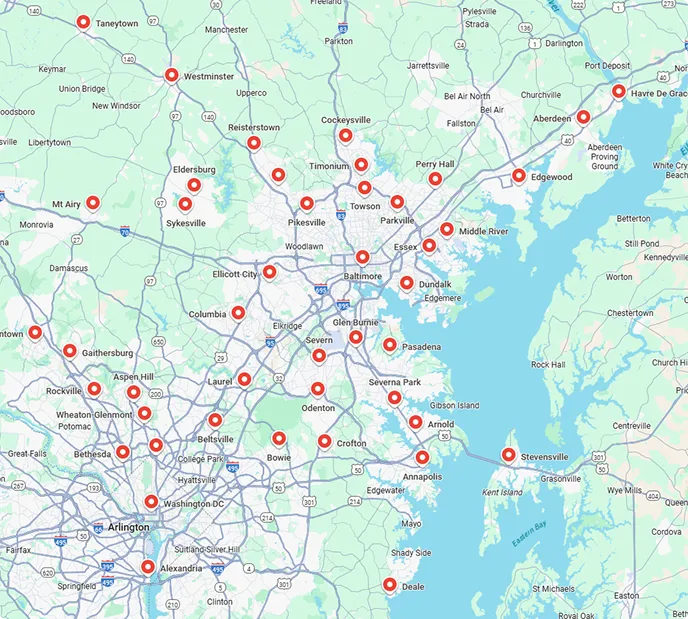
Service areas