

Sump Pumps in Arnold, MD
For homes in Arnold, MD, basement flooding is a common risk, particularly during those heavy spring storms, extended periods of rainfall, and rapid snowmelt. The most reliable defense against groundwater intrusion, damage to finished basements, and mold growth is a properly selected, installed, and maintained sump pump system. **Tario HVAC** provides sump pump installation, repair, and replacement services, along with various backup and alarm options. We also outline routine testing and maintenance plans and cover troubleshooting common issues, expected lifespans, and important warranty considerations specifically for Arnold, MD homeowners.
Why a Sump Pump matters in Arnold, MD
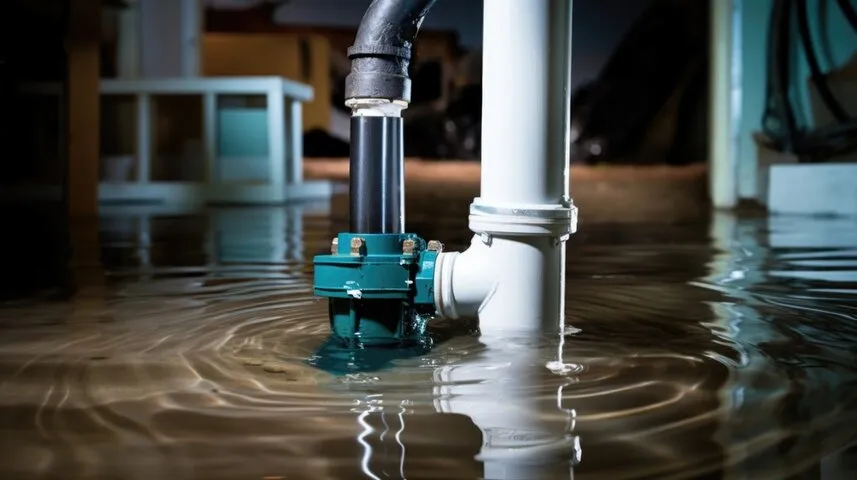
Arnold and the surrounding Anne Arundel County area sit close to tidal and groundwater influences that can raise the water table and increase stormwater runoff. Finished basements and lower-level living spaces are particularly vulnerable. A working sump pump reduces the risk of costly water damage, protects HVAC and electrical equipment located in basements, and helps maintain indoor air quality by preventing dampness and mold.
Common sump pump services and problems
- Sump pump installation in Arnold, MD: evaluation of basement layout, pit sizing, discharge routing, and check valve placement for effective water removal.
- Sump pump repair: motor replacement, impeller cleaning, switch and float repair, clogged discharge pipe clearing, and check valve replacement.
- Sump pump replacement: when pumps are beyond repair or inefficient, replacing with modern, energy-efficient models.
- Battery backup and alarm installation: battery or combination backup systems and audible/visual alarms for power outages and high water events.
- Emergency repair and replacement during storms or unexpected failures.
Common issues seen in local homes:
- Pump won’t start (power outage, tripped breaker, failed float switch).
- Continuous running (stuck float, improper switch setting, excessive inflow).
- Short cycling (frequent on/off due to small pit or misadjusted float).
- Weak discharge or no discharge (clogged impeller, frozen or blocked outlet).
- Sump pit full despite pump running (check valve failure or undersized pump).
How we diagnose sump pump problems
A clear diagnostic process helps homeowners decide between repair and replacement. Typical inspection steps:
- Visual inspection of the sump pit and pump type (submersible vs pedestal).
- Check float switch movement and switch contacts for wear.
- Verify power source, breakers, and GFCI protection.
- Test pump activation by adding water to the pit and observing run cycle.
- Inspect discharge line, check valve, and outside discharge point for clogs or backflow.
- Evaluate pump performance under load to detect weak motors or failing bearings.
- Review age and maintenance history to determine expected remaining life.
Installation and replacement options for Arnold homes
Installation begins with a site-specific assessment: pit location, foundation layout, and routing the discharge line away from your foundation and municipal lines. Key options to consider:
- Submersible pumps: quiet, efficient, ideal for finished basements or where aesthetics and noise are concerns.
- Pedestal pumps: easier to service and often used in shallow pits or where long-term access is a priority.
- Combination units: integrated primary pump plus battery backup in one assembly for compact protection.
- Battery backup systems: provide essential protection during power outages common during storms; battery run times depend on pump size and battery capacity.
- Water-powered backups: an option where municipal water pressure is reliable, though they are reliant on water supply and local code allowances.
For Arnold properties, a submersible pump with a battery backup and a high-water alarm is often recommended because of occasional severe storms and the potential for power loss.
Repair vs replacement: how to decide
Repair may be appropriate when the problem is isolated and parts are readily available. Situations favoring replacement:
- Pump age over 7-10 years for submersible units, longer for some pedestal models.
- Repeated failures or increasing repair frequency.
- Reduced pumping capacity or excessive noise.
- Corrosion, burned motor windings, or mechanical failure of critical components.Replacement provides an opportunity to upgrade to higher-efficiency motors, larger discharge capacities, and integrated backups.
Maintenance plans and routine testing
Regular maintenance extends pump life and prevents emergencies. Recommended schedule for Arnold homes:
- Visual check quarterly: inspect pit for debris, test float operation, and confirm unobstructed discharge.
- Functional test twice yearly: pour water into the pit to activate the pump and ensure it starts, runs, and stops correctly; test alarms and backup systems.
- Battery maintenance annually: inspect battery terminals and replace AGM or deep-cycle batteries every 3-5 years depending on usage and age.
- Full service annually: clean sump pit, inspect switch and wiring, test check valve, and measure pump amperage under load.
A planned maintenance agreement should include documented inspections and prioritized emergency responses during heavy rain events.
Troubleshooting common failures
- Pump does not run: check power source, reset breakers, inspect fused plugs, and test float switch. If the motor hums but won’t spin, the capacitor or motor may be failing.
- Continuous running: remove debris that may hold the float down, check for a stuck switch, and confirm pit size is adequate for inflow volumes.
- Intermittent operation: test the float for free movement and ensure wiring connections are secure.
- Frozen or clogged discharge: route discharge piping to minimize freezing, use insulated piping where necessary, and clear obstructions promptly.When troubleshooting indicates internal motor failure, impeller damage, or extensive corrosion, replacement is usually the most cost-effective long-term solution.
Lifespans and warranty expectations
- Typical service life: submersible pumps 7-15 years; pedestal pumps may last longer with lighter duty but vary by model and usage.
- Battery backups: AGM or deep-cycle batteries typically last 3-5 years; battery maintenance and testing extend usable life.
- Manufacturer warranties: commonly 1-5 years on residential pumps; some premium models carry longer motor warranties. Warranties cover defects but not failures from debris, lack of maintenance, or improper installation.
Emergency service availability and response
Sump pump failures commonly occur during heavy storms when immediate action matters most. Emergency service options include rapid diagnostics, temporary pumping solutions to protect property, and expedited replacement when necessary. Having access to professional emergency support can reduce damage during critical events.
FAQs
Q: How often should I test my sump pump?
A: Test your sump pump by pouring water into the pit at least twice a year, ideally before the wet season and before winter. Also visually inspect the pit and test the battery backup and alarm annually.
Q: Do I need a battery backup for my sump pump in Arnold, MD?A: Battery backups are strongly recommended in Arnold because storms can cause power outages when heavy rain raises basement water levels. Backups provide essential protection until power returns.
Q: How long will a new sump pump last?
A: Expect 7-15 years for most submersible pumps with proper maintenance; pedestal pumps have variable lifespans. Heavy use, debris, and lack of maintenance shorten life expectancy.
Q: What are signs I should replace rather than repair my sump pump?
A: Replace if the pump is older than 7-10 years, needs frequent repairs, makes unusual noises, runs continuously, or fails to keep up with inflow during storms.
Q: How should discharge piping be routed for best performance?
A: Discharge piping should be sized appropriately (commonly 1-1/2 to 2 inches), include a one-way check valve, and route water well away from the foundation and neighboring properties in accordance with local codes. Ensure the outlet won’t reintroduce water toward the home or block municipal drainage.
Q: What maintenance does a battery backup require?
A: Inspect battery terminals and charge annually, replace batteries every 3-5 years, and perform a simulated power outage test to confirm run time and functionality.

Service areas